Blog
Here you can discover the latest news, trends, and inspiring stories from the world of dance, read interviews with artists, and explore analytical reviews and professional tips.
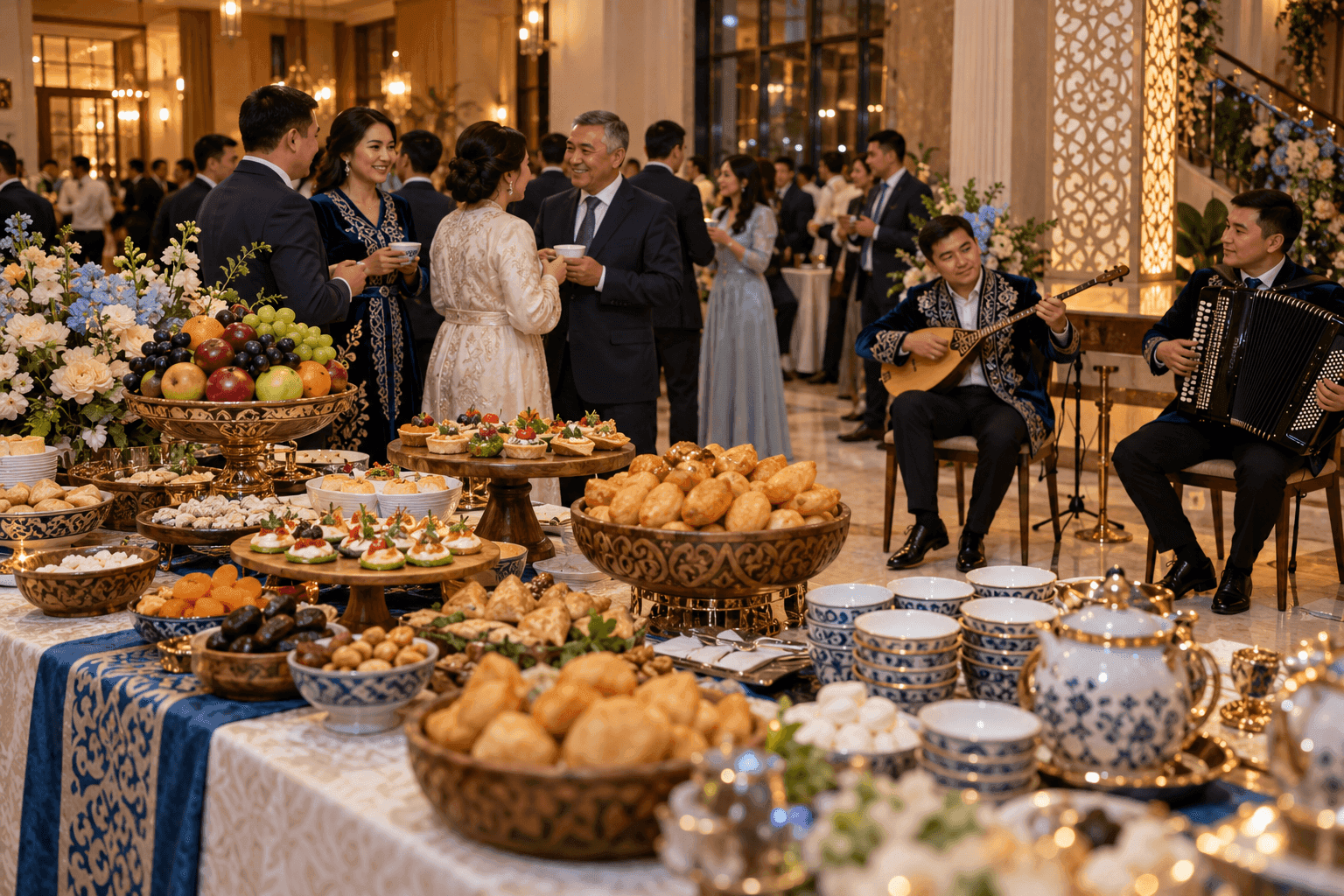
In the first part of our organiser's advice, we explained why a wedding welcome buffet deserves careful attention. Its appearance and presentation shape the first impression of the evening. Now it is time to consider the final touch: the tradition known as Keter Ayaq or Zhol Ayaq. This small ritual takes place at the end of the celebration. Sometimes it uses the same table that held the welcome buffet earlier in the evening. In an alcohol-free celebration, the tradition can be reinterpreted while preserving its most important purpose: seeing guests off with warmth, care and hospitality. The bride has thrown her bouquet, the band has taken the stage, and the second dance interval reflects the newlyweds' own musical taste. The first interval may have featured familiar favourites for the parents' friends and older guests, while the later programme becomes younger and more energetic.
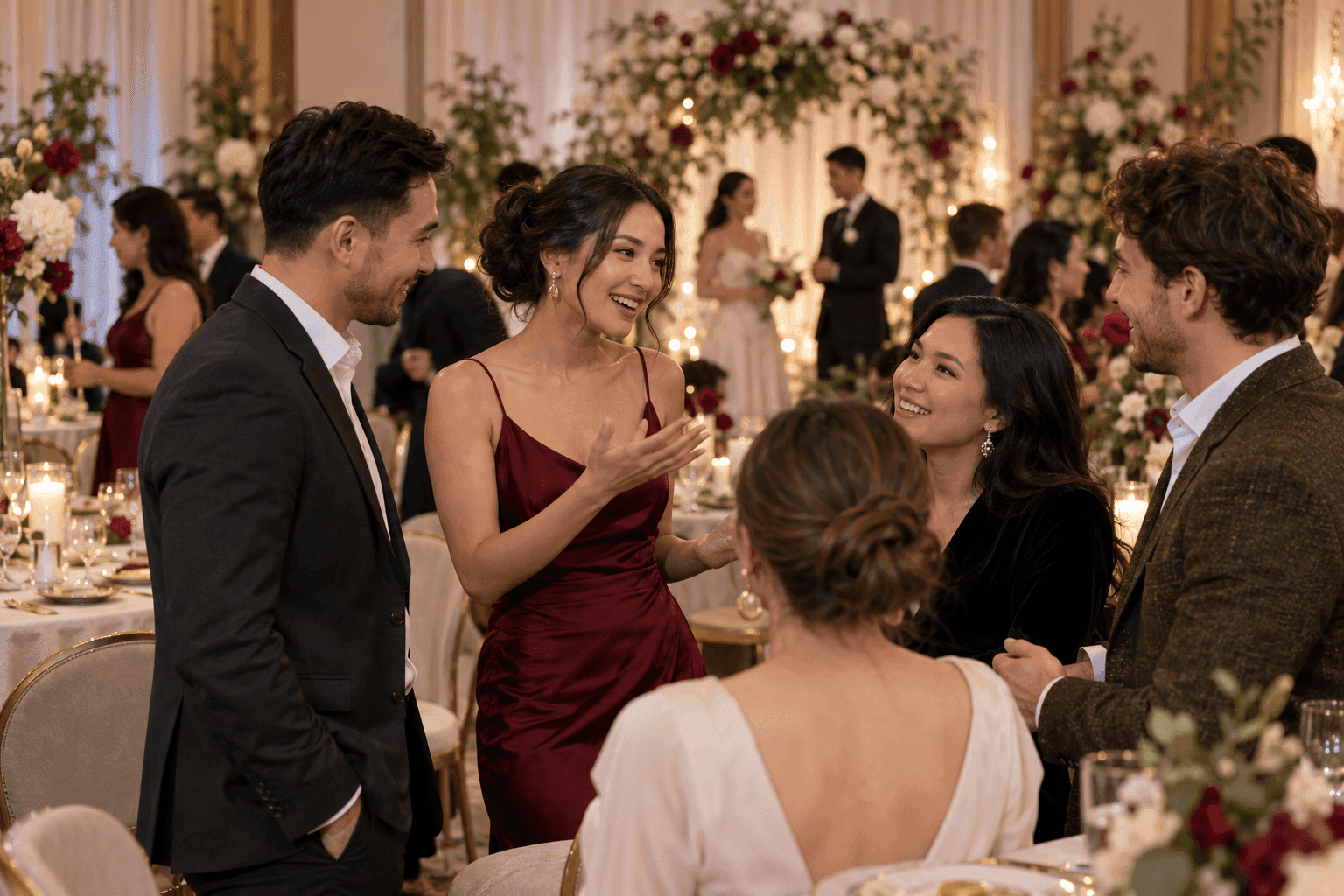
Imagine being invited to a wedding and asked to buy a ticket for 20,000-25,000 tenge. The price includes your seat, the menu, drinks, a host and live entertainment. There is just one surprising detail: you know neither the people at your table nor the names of the newlyweds. The bride and groom may not have met before the evening either. This is the idea behind “NOT a Wedding”, a themed party already appearing in selected cities across Europe and the CIS. From the outside, it looks like a real celebration, complete with a welcome buffet, decorations, dinner, toasts and dancing. Its purpose, however, is not marriage. It is designed for conversation, new connections and an unusual cultural experience. Modern city life offers too few natural and comfortable ways for adults to meet. Social media helps people stay connected, but it cannot always replace a face-to-face conversation. “NOT a Wedding” provides a familiar structure in which strangers can introduce themselves, exchange experiences and spend an evening together without the awkwardness of formal networking.
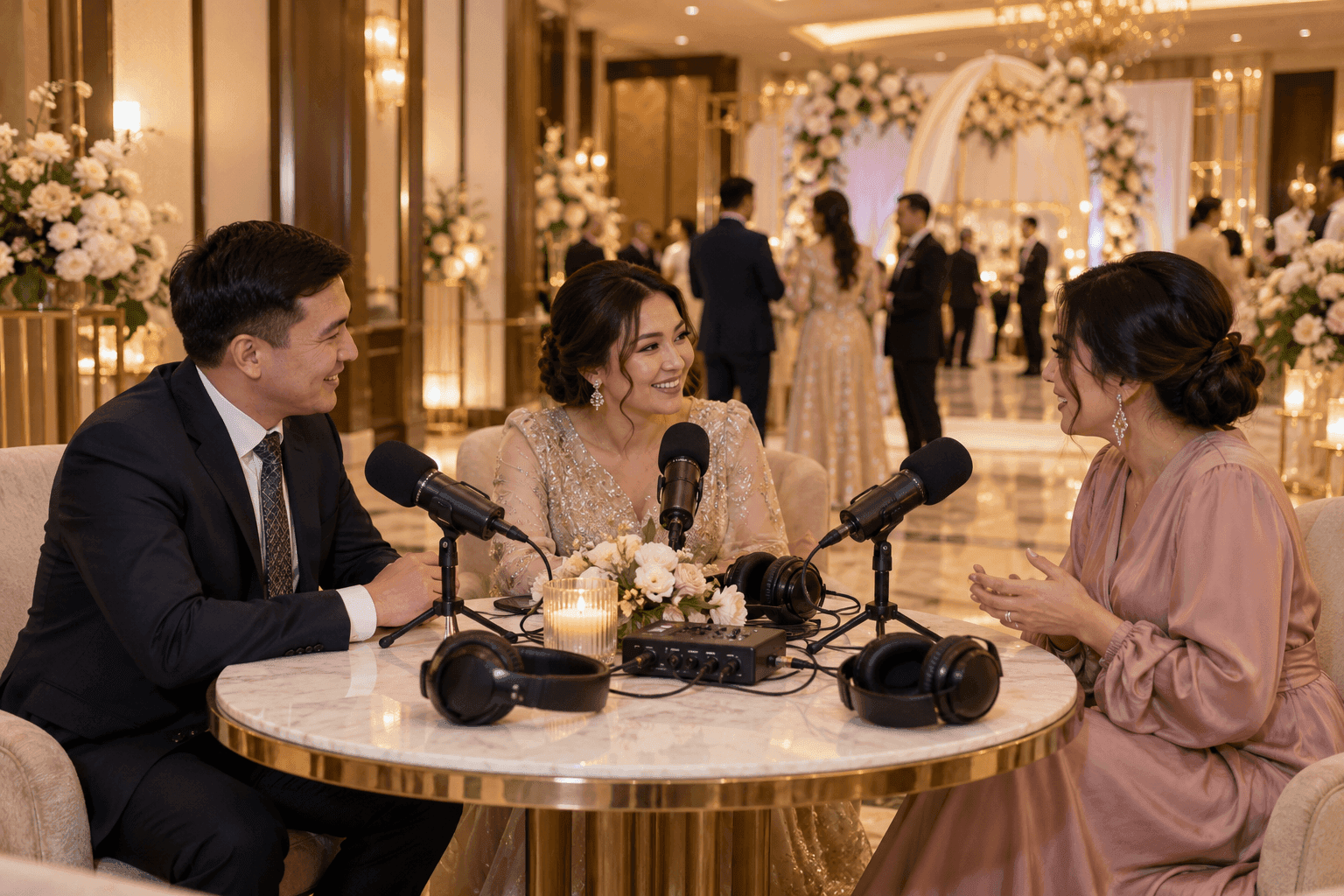
The wedding podcast is quickly finding its place in contemporary celebration programmes. The format began gaining attention in Kazakhstan at the end of summer, while the quieter autumn season gave organisers time to refine the idea for the year ahead. The DanceHub.kz team has already tested it twice and is ready to explain how it works. The podcast corner works best near the entrance to the banquet hall, close to the photo zone and welcome buffet. Recording inside the hall is more difficult: equipment is being checked, lighting and sound are being adjusted, and the service team is completing its final preparations. It is simply too noisy for a relaxed conversation. A small table, three microphones and a neat backdrop are enough to create the studio. Guests arrive, take commemorative photographs, enjoy the buffet and are then invited to record a short story about the newlyweds.
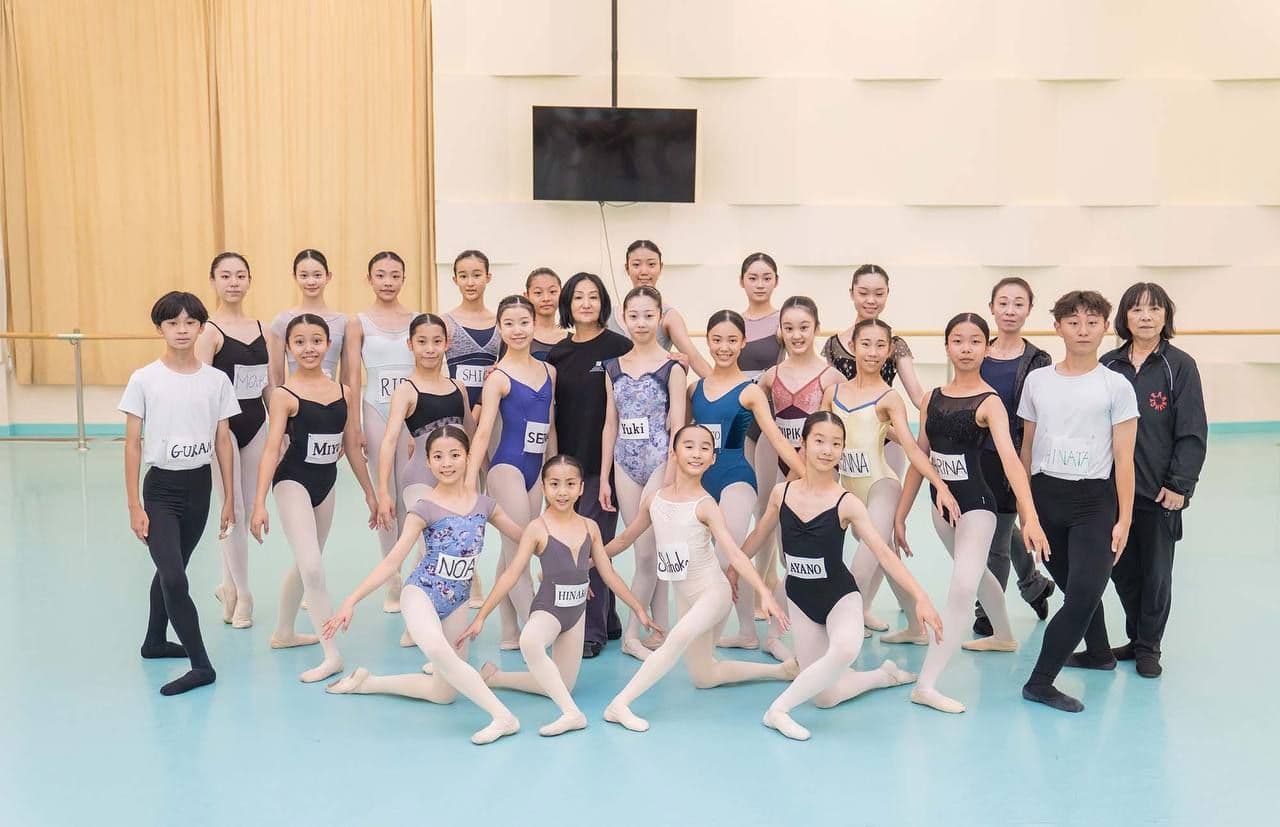
The Kazakh National Academy of Choreography has concluded an intensive programme for a delegation from Tokyo's Yoshiko Takagi Ballet School. Twenty-two students and four teachers travelled to Astana to explore Kazakhstan's approach to choreographic education, work with the Academy's leading teachers and exchange professional experience. The Japanese guests followed a focused educational programme. Young dancers took part in masterclasses in classical and folk-stage dance and worked on classical variations drawn from the world's ballet repertoire. Each class offered more than technical practice. It also allowed the students to view familiar elements through a different teaching tradition. For young artists, this kind of exchange broadens their professional outlook and encourages closer attention to every detail of stagecraft.
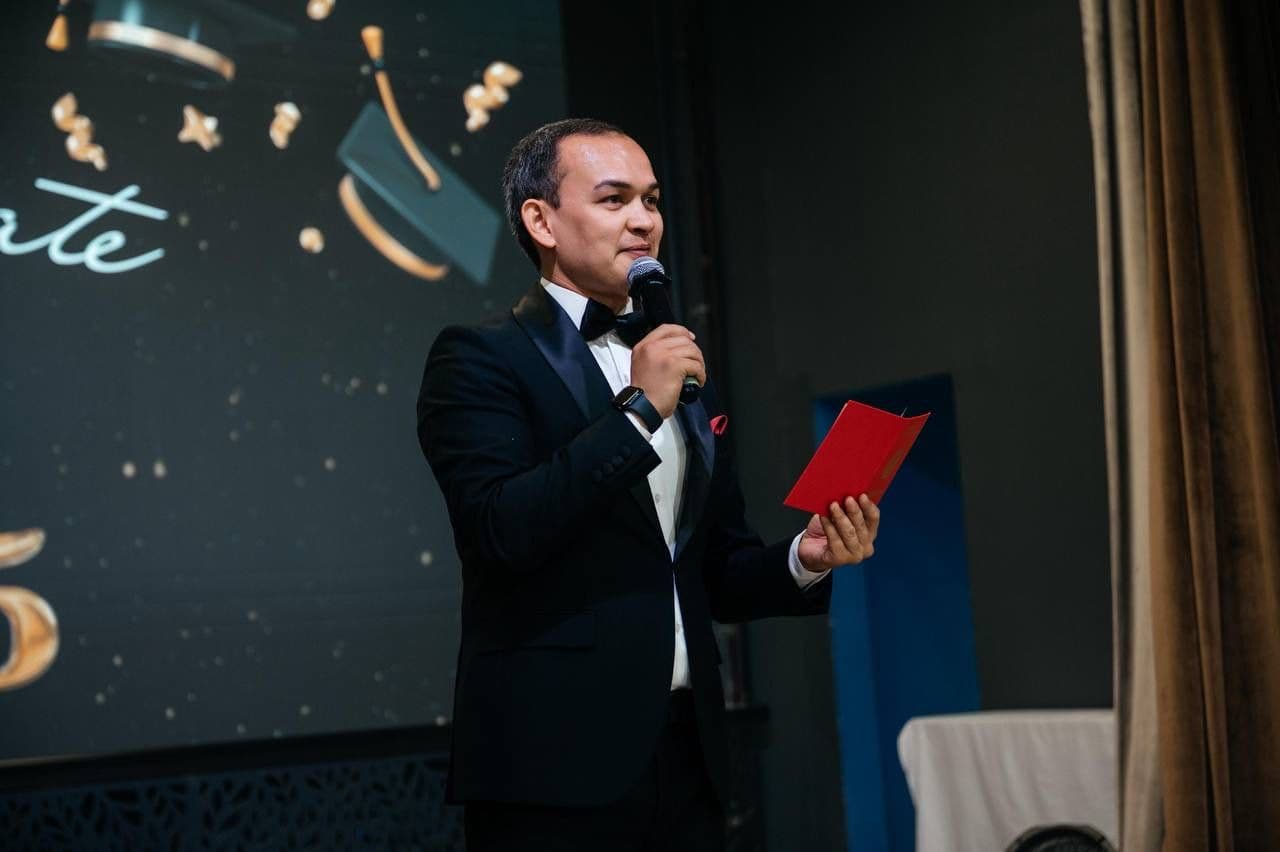
Berik is arguably one of the most genuine hosts in the industry. He came to the stage through hands-on experience, supported by strong theoretical knowledge. Before becoming a host, he worked as a sound engineer for many well-known and high-end hosts in the capital. Years behind the console allowed him to observe dozens of hosting styles, audience reactions, and communication techniques. This helped him deeply understand the psychology of celebrations and define his own professional path. Berik knows that success at an event is rooted in understanding people. At the same time, he clearly realizes that not everything depends on the host alone.
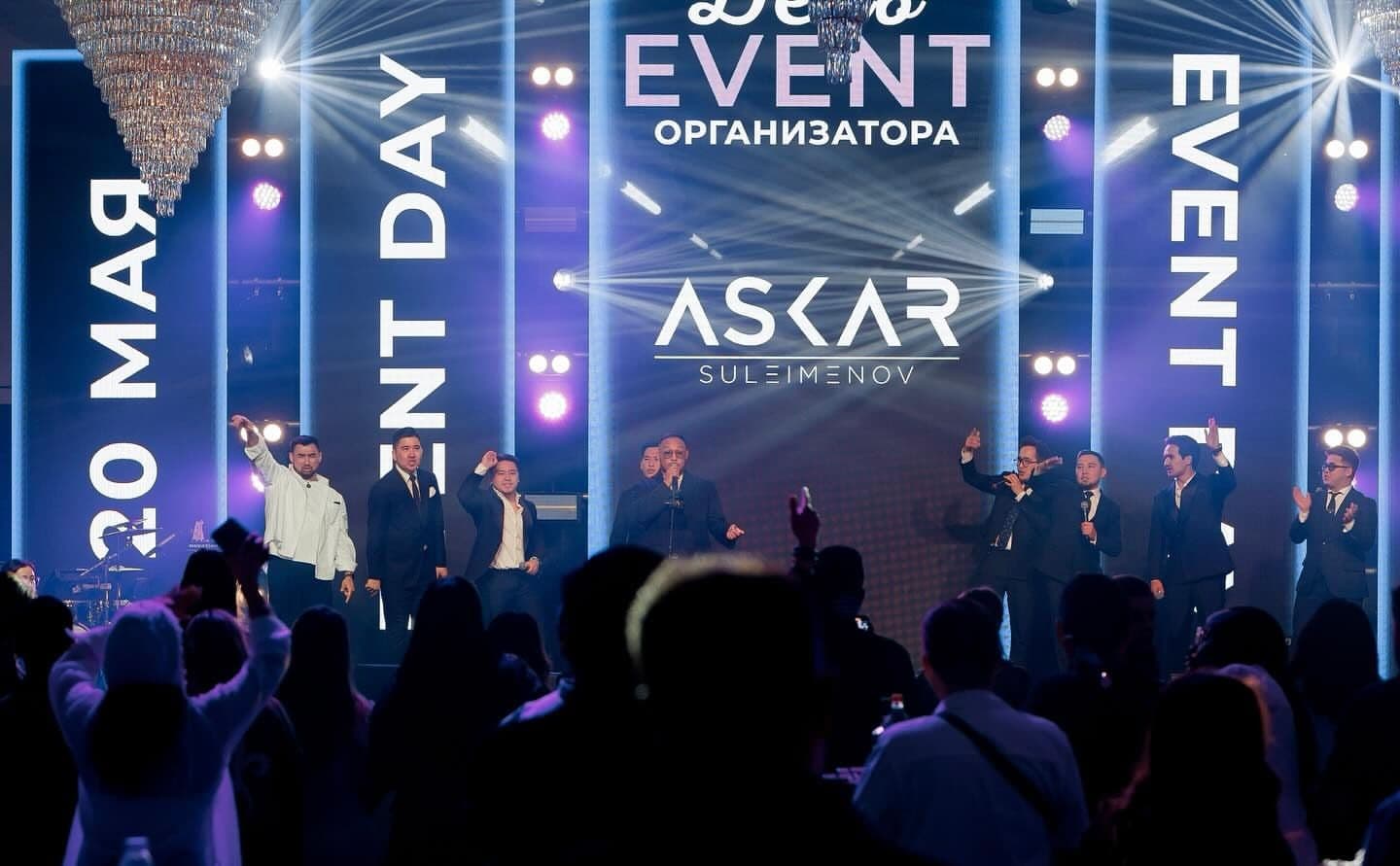
The general partners of the project are Салтанат Сарайы, KAZ Production, and Салтанат Сарайы Catering. Following last year’s tradition, the celebration will take place at the scenic территории of “Saltanat Sarayy.” The green lawns will host the “Parade of Photo Zones,” where top decorators will showcase creative concepts for outdoor photo sessions. Walkways around the venue will turn into vibrant fair routes with interactive entertainment, pop-up shops, and event industry representatives. The main action will unfold on a large stage built in the parking area, covering around 80 square meters. Around it, an exhibition zone will feature innovations for the upcoming wedding season, including LED photo zones, modern photo booths, and interactive technologies.

The Words of Wisdom by Abai Kunanbayev have been translated into many languages around the world — so many that ten major ones are often выделяются among them. For some, they serve as guidance; for others, as comfort. Among all these interpretations, the most universal language has become the language of the body. Only choreography can fully convey the depth of these teachings to audiences of different nationalities. The plastic performance “Qara SOZ” was presented in the capital. Its storyline is built on a deep reflection of the wisdom accumulated through Abai’s life experience. The troupe consists of 20 performers, including representatives from Japan and Kyrgyzstan.

During the October presentation at Astana Ballet, our team first experienced the unique synergy that emerged almost by chance. The team represents a kind of “magical chemistry” of accumulated experience, modern trends, and technologies. As our practice shows, one component develops much slower without the others. April 2025. At one of the capital’s event gatherings, two old acquaintances — Ruslan and Azamat — случайно meet on a hotel staircase. Ruslan Vladimirovich Kenzikeev is the founder of DanceHub.kz. The idea of creating the platform came to him easier than its name, which he also придумал himself. On July 1, 2025, the first project meeting took place, where Ruslan presented his vision.

The concert program featured choreographic compositions such as “Zharyskazan”, “Shildekhana”, “Saukele. Bride. Bridal Dowry”, “Kyz Uzatu”, “Toy. Betashar”, “Mai Kuyiu. Salem Salu”, “Akku”, “Amanat”, “Zher-Ana” and many others. The event also featured the Kazakh State Folklore Ensemble “Astana Sazy”, the ethno-folklore ensemble “Zhoshy”, and the State Theatre “Astana Musical”. The direction of the performance certainly deserves special attention. The depth of the narrative, accompanied by a voice-over, was visually enhanced by screen projections explaining the importance and enduring nature of the traditions and rituals presented on stage. Conveying such profound values of Kazakh history through dance represents a unique artistic synthesis of perception and reflection.

The concert was dedicated to the 25th anniversary of the creative career of renowned Kazakh choreographer and chief ballet master of the “Gulder” ensemble, Anvara Sadykova. “The history of the capital’s ballet is a path of immense dedication, perseverance, and devotion to the stage. It all began in 2000 with the opening of the K. Baiseitova National Opera and Ballet Theatre. When the theatre passed the baton to the grand Astana Opera, a new era began. It was a challenging transition with strict selection and new professional standards. Today, this continuity lives on within the Kazakh National Academy of Choreography.” The evening was filled with nostalgia, yet it was not merely retrospective — because in art, infinity is the limit.

Astana is a manifesto city rising from the степpe. Futuristic glass-and-concrete skyscrapers stand alongside elegant European facades, while строгая symmetry of government districts transitions into cozy natural spaces. For photographers and models, Kazakhstan’s capital is an endless shooting set where light plays on reflective surfaces and architecture defines scale and mood. This guide features key city spots — from iconic landmarks to hidden European-style кварталы. Top 7 Locations for Perfect Shots
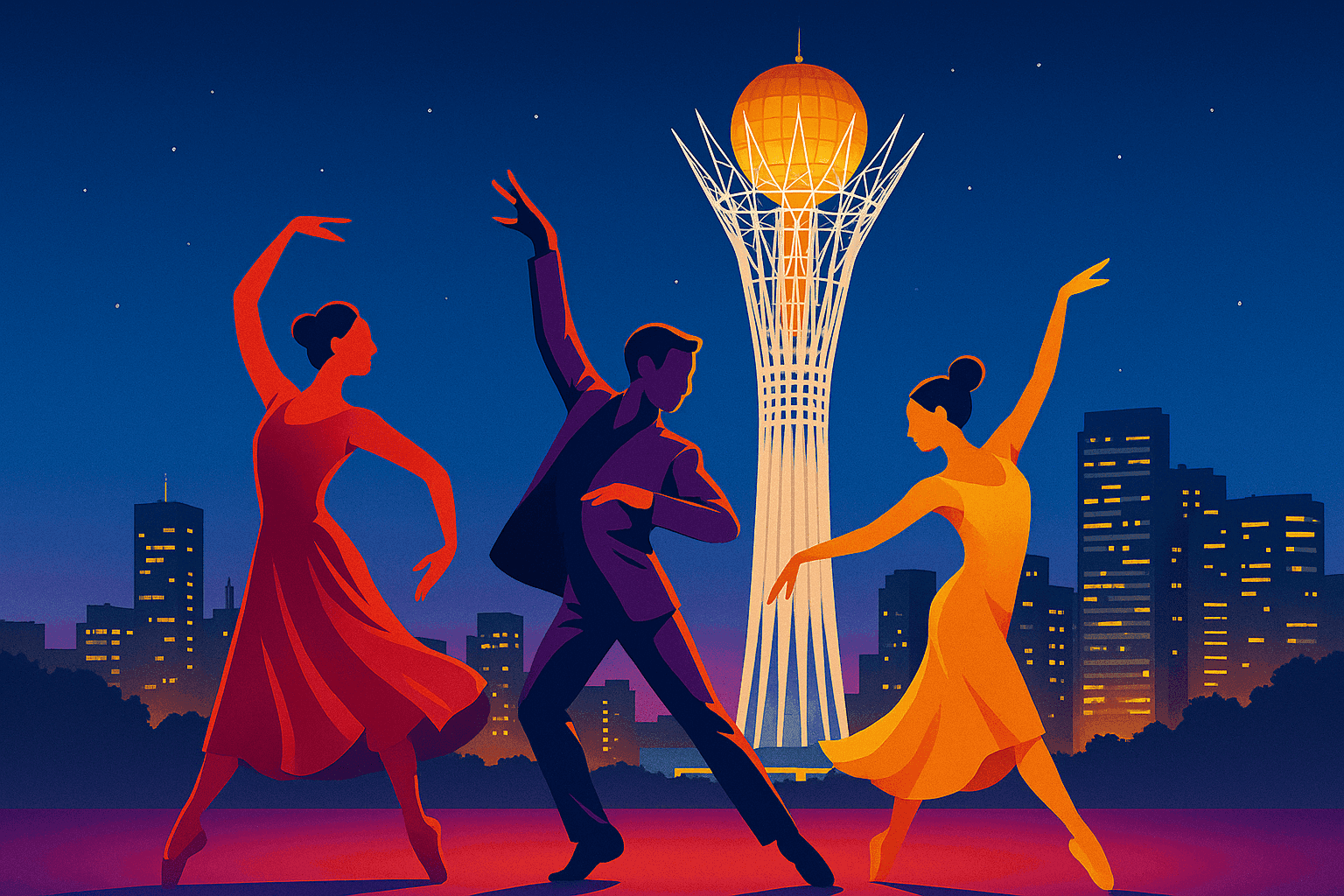
The history of this city is full of truly high-profile and high-quality dance projects. Since the early 2000s, bold and ambitious choreographic startups began to emerge in Astana. It was hard to imagine any concert or private event without the participation of the Flash Show Ballet. At the beginning of the 2000s, this company became a sensation among all dance companies of the time. Vibrant costumes, daring productions, and revolutionary music—all these elements felt like a clear step forward against the dull legacy of the 1990s. In this way, a taste for professionalism and high artistic standards began to take root in Kazakhstan’s still-demanding capital. Special thanks go to Lilia Kuderko, the director of the Flash Show Ballet, for this achievement. A little later, the Alexey Velizhanin Dance Theatre emerged on the events and entertainment scene. The company’s new status as a theater reflected the changing rules of the city’s art market from the very first performance. Now, dancers brought not only polished steps but also dramatic storytelling; costumes were no longer just performers’ clothing but functional props to quickly change scenes during a performance. The sharply increased production costs—from footwear to makeup—helped elevate Astana’s status as a dance capital to an international level. Alexey Velizhanin’s theater became an active participant in competitions and shows. Large-scale numbers like Phantom of the Opera, the sensual dance duet Beauty and the Beast, and various premieres earned admiration simply for their quality, as Alexey’s meticulous approach to work was already well-known. It’s worth noting that Alexey began with Astana’s first show ballet, Flash, marking the start of a professional continuity trend. The baton of transformation in the dance community has been taken up by the Terra Dance Theater, arguably the largest project in the industry’s history. Both the repertoire and the unprecedented selection criteria are remarkable. The dances are spontaneous, passionate, rebellious, and full of inner intensity. Although the company is predominantly composed of women, their passionate performances of Caucasian dances, including the dzhigitovka, leave no doubt about their mastery. It often seems as though one could turn to Terra Dance Theater for any kind of dance. Even if a specific style wasn’t in their repertoire, one could trust that they would master it, as their dedication to the art form commands unwavering respect. Special thanks for this achievement go to the theater’s founder, Dilbar Sadykovna Amirova.