Astana Dance History
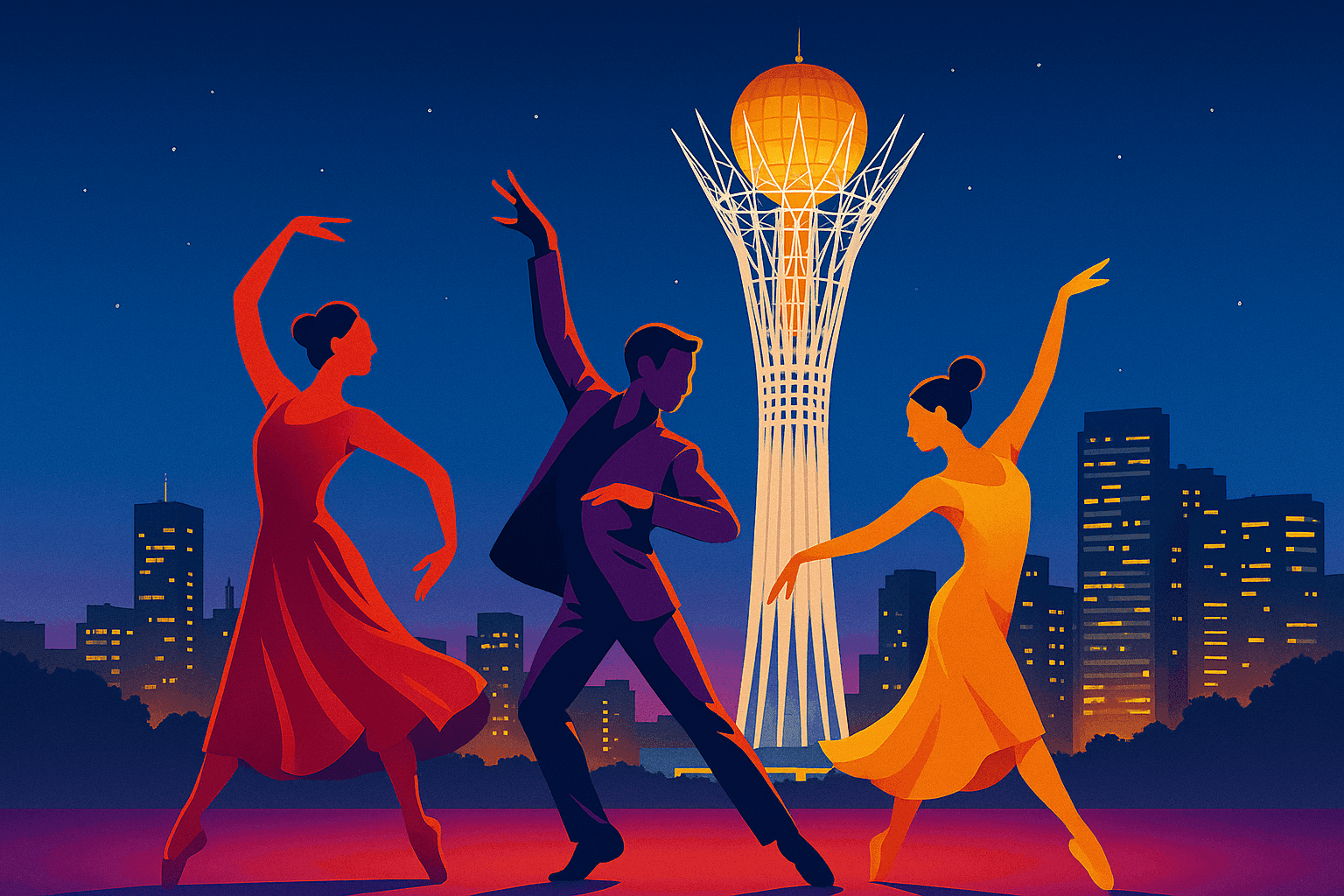
The history of this city is full of truly high-profile and high-quality dance projects. Since the early 2000s, bold and ambitious choreographic startups began to emerge in Astana. It was hard to imagine any concert or private event without the participation of the Flash Show Ballet. At the beginning of the 2000s, this company became a sensation among all dance companies of the time. Vibrant costumes, daring productions, and revolutionary music—all these elements felt like a clear step forward against the dull legacy of the 1990s. In this way, a taste for professionalism and high artistic standards began to take root in Kazakhstan’s still-demanding capital. Special thanks go to Lilia Kuderko, the director of the Flash Show Ballet, for this achievement.
A little later, the Alexey Velizhanin Dance Theatre emerged on the events and entertainment scene. The company’s new status as a theater reflected the changing rules of the city’s art market from the very first performance. Now, dancers brought not only polished steps but also dramatic storytelling; costumes were no longer just performers’ clothing but functional props to quickly change scenes during a performance. The sharply increased production costs—from footwear to makeup—helped elevate Astana’s status as a dance capital to an international level. Alexey Velizhanin’s theater became an active participant in competitions and shows. Large-scale numbers like Phantom of the Opera, the sensual dance duet Beauty and the Beast, and various premieres earned admiration simply for their quality, as Alexey’s meticulous approach to work was already well-known. It’s worth noting that Alexey began with Astana’s first show ballet, Flash, marking the start of a professional continuity trend.
The baton of transformation in the dance community has been taken up by the Terra Dance Theater, arguably the largest project in the industry’s history. Both the repertoire and the unprecedented selection criteria are remarkable. The dances are spontaneous, passionate, rebellious, and full of inner intensity. Although the company is predominantly composed of women, their passionate performances of Caucasian dances, including the dzhigitovka, leave no doubt about their mastery. It often seems as though one could turn to Terra Dance Theater for any kind of dance. Even if a specific style wasn’t in their repertoire, one could trust that they would master it, as their dedication to the art form commands unwavering respect. Special thanks for this achievement go to the theater’s founder, Dilbar Sadykovna Amirova.
Over time, trends and public sentiment evolved, and the demand for something new, original, and engaging grew. Following her instincts, another historical figure of the city, Tatyana Mizyakina, opened the cabaret show Viva. In pursuit of her dream, Tatyana carefully developed a lifelong project that brought the city both the Viva Cabaret Show—with original numbers, live entrances, and vibrant performances—and the anchor musical La Vie, capturing all the charm of the legendary Moulin Rouge.
It is now 2025. A quarter of a century later, dance continues to thrive in the city, and, of course, it will always continue. By preserving this important choreographic history in Kazakhstan’s young capital, enhancing its achievements, and passing its legacy to new companies, the DanceHub.kz portal brings together on its pages the very best talent shaping the country’s cultural identity today.
Recommended articles

Kazakh wedding in Astana: how to book and what has changed?
Today, organizing a high-quality concert program for a Kazakh wedding in Astana can cost around 2 million tenge as a full-service package. And believe it, this budget can provide professionally selected performers. It usually includes an experienced and tactful host who works well with any audience and charges a fair fee, as well as a professional theater group of 7 performers who will accompany your celebration with national performances at a solid level. One of the unique features of such a theater group is its versatility. After welcoming the in-laws (kudalar), the male performers can transform into a vocal trio and present an impressive retro music block. Meanwhile, the female performers can change into traditional costumes and perform the “Kamazhai” dance and other national dances, nicely enriching the overall wedding scenario. With a team of about 8 people, you get a complete package: a bilingual host, theatrical performances for welcoming guests, the bride’s entrance, and depending on the format — the “synsu” farewell ritual or even a special performance for the traditional serving of meat.
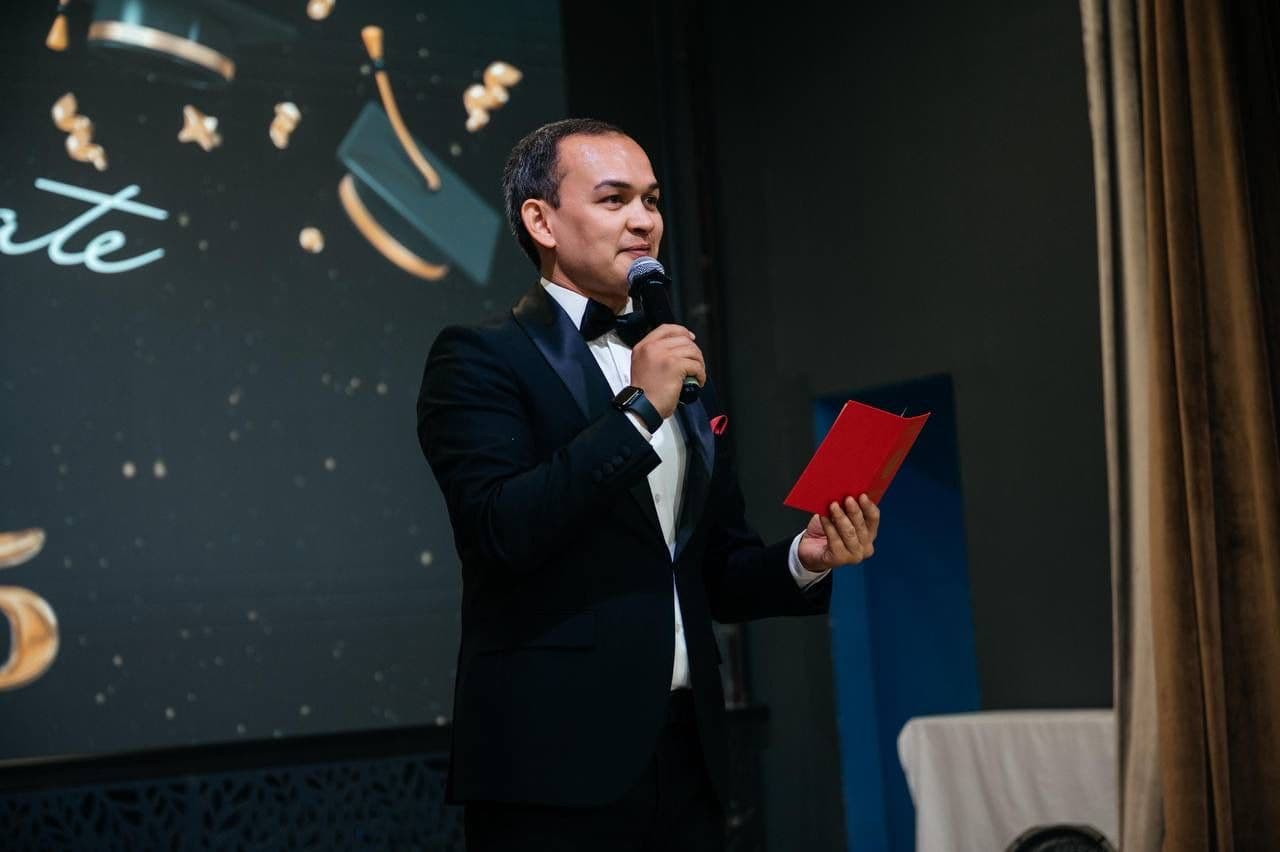
How Берик Сапаров hosts a traditional wedding
Berik is arguably one of the most genuine hosts in the industry. He came to the stage through hands-on experience, supported by strong theoretical knowledge. Before becoming a host, he worked as a sound engineer for many well-known and high-end hosts in the capital. Years behind the console allowed him to observe dozens of hosting styles, audience reactions, and communication techniques. This helped him deeply understand the psychology of celebrations and define his own professional path. Berik knows that success at an event is rooted in understanding people. At the same time, he clearly realizes that not everything depends on the host alone.

What you didn’t know about “Kilimanjaro”? A big podcast with true showmen
For over 14 years, Килиманджаро шоу has remained one of the most in-demand acts in the country’s event industry. In many regions, weddings are no longer planned around “perfect” calendar dates, but around the band’s availability — and this has become the norm. They are not impressed by quick money, large deposits, or business-class flights. They are true artists — dedicated, sincere, and professional. Their mission is to serve people through эмоции and atmosphere. In terms of emotional impact, Serge Fabris and Jay have virtually no equals. Their performances are booked 2–3 months in advance. When performing outside Астана, their fee includes travel, but they remain flexible and open to different formats.

DanceHub.kz Project Team
During the October presentation at Astana Ballet, our team first experienced the unique synergy that emerged almost by chance. The team represents a kind of “magical chemistry” of accumulated experience, modern trends, and technologies. As our practice shows, one component develops much slower without the others. April 2025. At one of the capital’s event gatherings, two old acquaintances — Ruslan and Azamat — случайно meet on a hotel staircase. Ruslan Vladimirovich Kenzikeev is the founder of DanceHub.kz. The idea of creating the platform came to him easier than its name, which he also придумал himself. On July 1, 2025, the first project meeting took place, where Ruslan presented his vision.
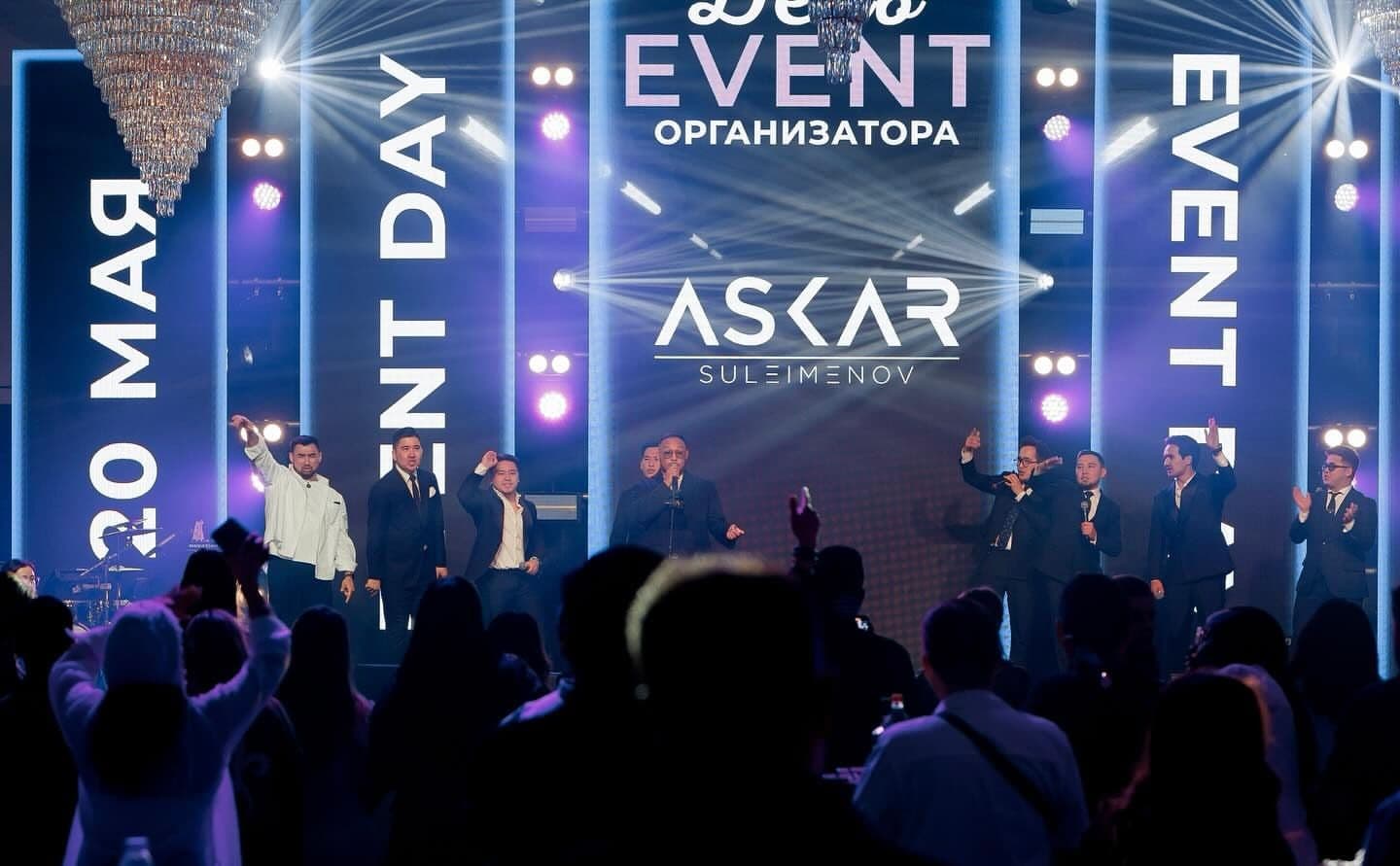
Event Organizer Day 2026: What to Expect
The general partners of the project are Салтанат Сарайы, KAZ Production, and Салтанат Сарайы Catering. Following last year’s tradition, the celebration will take place at the scenic территории of “Saltanat Sarayy.” The green lawns will host the “Parade of Photo Zones,” where top decorators will showcase creative concepts for outdoor photo sessions. Walkways around the venue will turn into vibrant fair routes with interactive entertainment, pop-up shops, and event industry representatives. The main action will unfold on a large stage built in the parking area, covering around 80 square meters. Around it, an exhibition zone will feature innovations for the upcoming wedding season, including LED photo zones, modern photo booths, and interactive technologies.