Bride syndrome — truth or myth?

It's worth starting with the main question: where did the concept of 'bride syndrome' even come from? Although the term sounds like a psychological diagnosis, it doesn't have a direct connection to professional psychology. This concept came from the wedding industry, where planners and consultants began to notice that many brides become particularly anxious and tense during the wedding preparation period.
emotional or overly demanding. Gradually, the expression took hold in the media, gaining almost cult status. But does the "bride syndrome" really exist, or is it just a myth created by the industry? Let's try to figure it out. Why does the "bride syndrome" even happen? A wedding is one of the most significant events in life. And expecting yourself to be completely calm at such a moment is difficult. In
The bride is being pressured all at once: • perfectionism — the desire for everything to be perfect: the dress, the planning, the guests, the menu, the decor; • social expectations — family, friends, public opinion, traditions; • financial burden — costs and fear of making the wrong choice; • chronic stress from preparation — endless meetings, fittings, clarifications; • fear of change — after all, a wedding is a symbol of the start of a new life. Hence
emotional overload arises, which is called the 'bride syndrome.' Is it a myth or actually real? If you look at 'bride syndrome' as a medical diagnosis — it's a myth. There's no such term in psychology, and it's not an official condition. But if you understand it as a set of stress reactions that many women experience before a wedding — it's a pretty real situation. It's important to remember,
Being emotional isn't a weakness or a tantrum; it's a natural reaction to a mix of intense stress, pressure, and expectations. Where do the stereotypes about the 'moody bride' come from? Movies, social media, and the media played a big role here, portraying brides who 'throw fits' or 'control everything' as comedic. There are even alternative names for it — like the well-known 'Bridezilla.' But in reality
Often, behind this behavior, it's not capriciousness at all, but fatigue, lack of support, and a huge emotional burden. How to deal with the 'bride syndrome'? To make sure wedding preparations don't turn into a constant source of stress, it's important to:Стоит начать с главного вопроса: откуда вообще взялось понятие “синдром невесты”?
Несмотря на то, что термин звучит как психологический диагноз, к профессиональной психологии он не имеет прямого отношения. Это понятие пришло из сферы свадебного бизнеса, где организаторы и консультанты начали замечать: многие невесты в период подготовки к свадьбе становятся особенно тревожными, напряженными, эмоциональными или чрезмерно требовательными. Постепенно выражение укрепилось в медиа, приобретая почти культовый статус.
Но действительно ли существует «синдром невесты» или это всего лишь миф, созданный индустрией? Попробуем разобраться.
Почему вообще возникает «синдром невесты»?
Свадьба — одно из самых значимых событий в жизни. И ожидать от себя полного спокойствия в такой момент сложно. На невесту одновременно давят:
• перфекционизм — желание, чтобы всё прошло идеально: платье, организация, гости, меню, декор;
• общественные ожидания — семья, друзья, мнение окружающих, традиции;
• финансовая нагрузка — расходы и страх ошибиться с выбором;
• хронический стресс подготовки — бесконечные встречи, примерки, уточнения;
• страх перемен — ведь свадьба — это символ начала новой жизни.
Отсюда возникает эмоциональная перегруженность, которую и называют «синдромом невесты».
Миф это или всё-таки реальность?
Если рассматривать «синдром невесты» как медицинский диагноз — это миф.
В психологии нет такого термина, и он не является официальным состоянием. Но если понимать его как комплекс стрессовых реакций, возникающих у многих женщин перед свадьбой — это вполне реальная ситуация.
Важно помнить, что такое состояние — это не слабость и не капризы, а естественная реакция на сочетание сильного стресса, давления и ожиданий.
Откуда появляются стереотипы о «капризной невесте»?
Здесь большую роль сыграли фильмы, соцсети и медиа, где образ невесты, которая «устраивает сцены» или «всем управляет», стал комическим.
Появились даже альтернативные названия — например, известная Bridezilla.
Но в реальной жизни за этим поведением чаще стоит вовсе не капризность, а усталость, отсутствие поддержки и огромный эмоциональный груз.
Как справиться с «синдромом невесты»?
Чтобы подготовка к свадьбе не превратилась в источник постоянного стресса, важно:
• делегировать задачи, не пытаться держать все под личным контролем;
• выбирать надёжных подрядчиков, чтобы чувствовать уверенность;
• обсуждать свои переживания с партнёром;
• оставлять время на отдых, чтобы не выгорать;
• помнить, что идеальной свадьбы не бывает — но бывает счастливая.
Recommended articles

Wedding Podcast 2027
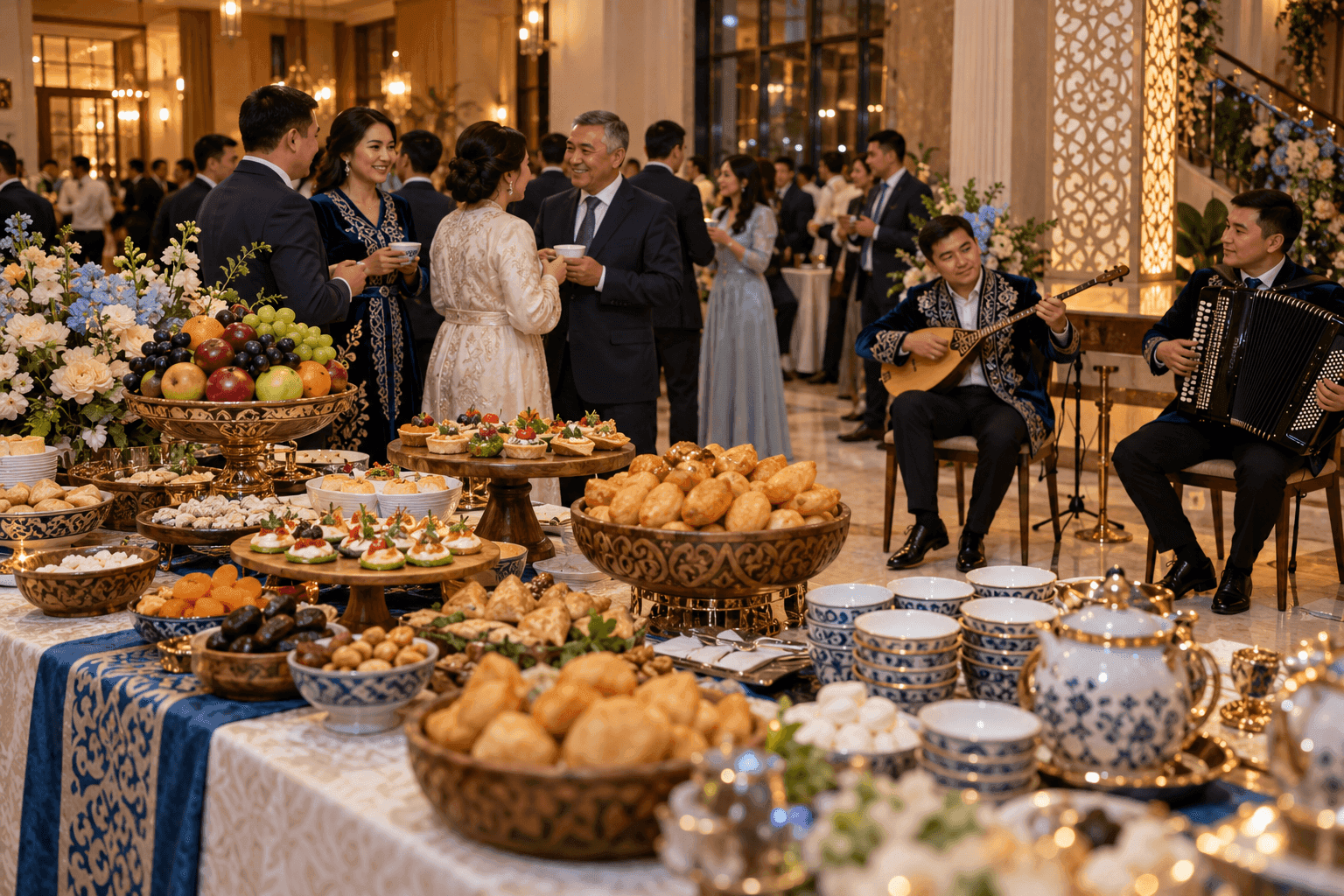
The wedding podcast is quickly finding its place in contemporary celebration programmes. The format began gaining attention in Kazakhstan at the end of summer, while the quieter autumn season gave organisers time to refine the idea for the year ahead. The DanceHub.kz team has already tested it twice and is ready to explain how it works. The podcast corner works best near the entrance to the banquet hall, close to the photo zone and welcome buffet. Recording inside the hall is more difficult: equipment is being checked, lighting and sound are being adjusted, and the service team is completing its final preparations. It is simply too noisy for a relaxed conversation. A small table, three microphones and a neat backdrop are enough to create the studio. Guests arrive, take commemorative photographs, enjoy the buffet and are then invited to record a short story about the newlyweds.
Tips from the DanceHub.kz Organisers
In the first part of our organiser's advice, we explained why a wedding welcome buffet deserves careful attention. Its appearance and presentation shape the first impression of the evening. Now it is time to consider the final touch: the tradition known as Keter Ayaq or Zhol Ayaq. This small ritual takes place at the end of the celebration. Sometimes it uses the same table that held the welcome buffet earlier in the evening. In an alcohol-free celebration, the tradition can be reinterpreted while preserving its most important purpose: seeing guests off with warmth, care and hospitality. The bride has thrown her bouquet, the band has taken the stage, and the second dance interval reflects the newlyweds' own musical taste. The first interval may have featured familiar favourites for the parents' friends and older guests, while the later programme becomes younger and more energetic.

Meeting for a Good Reason: “NOT a Wedding 2027”
Imagine being invited to a wedding and asked to buy a ticket for 20,000-25,000 tenge. The price includes your seat, the menu, drinks, a host and live entertainment. There is just one surprising detail: you know neither the people at your table nor the names of the newlyweds. The bride and groom may not have met before the evening either. This is the idea behind “NOT a Wedding”, a themed party already appearing in selected cities across Europe and the CIS. From the outside, it looks like a real celebration, complete with a welcome buffet, decorations, dinner, toasts and dancing. Its purpose, however, is not marriage. It is designed for conversation, new connections and an unusual cultural experience. Modern city life offers too few natural and comfortable ways for adults to meet. Social media helps people stay connected, but it cannot always replace a face-to-face conversation. “NOT a Wedding” provides a familiar structure in which strangers can introduce themselves, exchange experiences and spend an evening together without the awkwardness of formal networking.

Organising New Year Corporate Events in Astana.
A successful New Year corporate event begins long before December. Large companies often start planning in August, when HR managers research the market, compare suppliers and define the first requirements for the evening. Beginning early gives the team the freedom to choose rather than settle for whatever remains available at the end of the season. It is possible to source a venue, host, performers, decorators and technical crew independently, but doing so requires considerable time and experience. Companies therefore often entrust the project to a professional event agency responsible not only for suppliers but also for the overall logic of the occasion. An event agency is more than an intermediary between a client and performers. It acts as project coordinator, script team, venue administrator and crisis manager on the day itself.
Japanese Delegation Concludes Visit to the Kazakh National Academy of Choreography
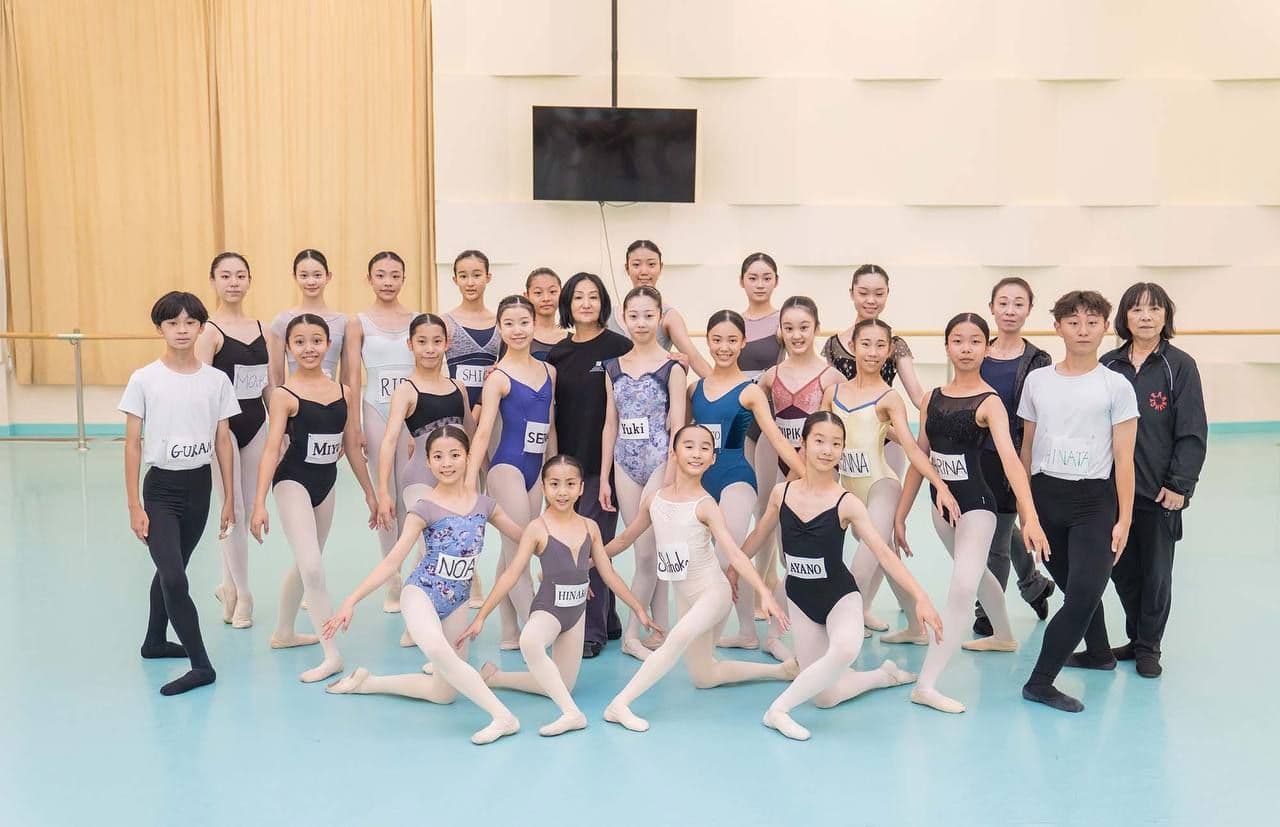
The Kazakh National Academy of Choreography has concluded an intensive programme for a delegation from Tokyo's Yoshiko Takagi Ballet School. Twenty-two students and four teachers travelled to Astana to explore Kazakhstan's approach to choreographic education, work with the Academy's leading teachers and exchange professional experience. The Japanese guests followed a focused educational programme. Young dancers took part in masterclasses in classical and folk-stage dance and worked on classical variations drawn from the world's ballet repertoire. Each class offered more than technical practice. It also allowed the students to view familiar elements through a different teaching tradition. For young artists, this kind of exchange broadens their professional outlook and encourages closer attention to every detail of stagecraft.