Show-Stopping Performers for Your New Year Corporate Party
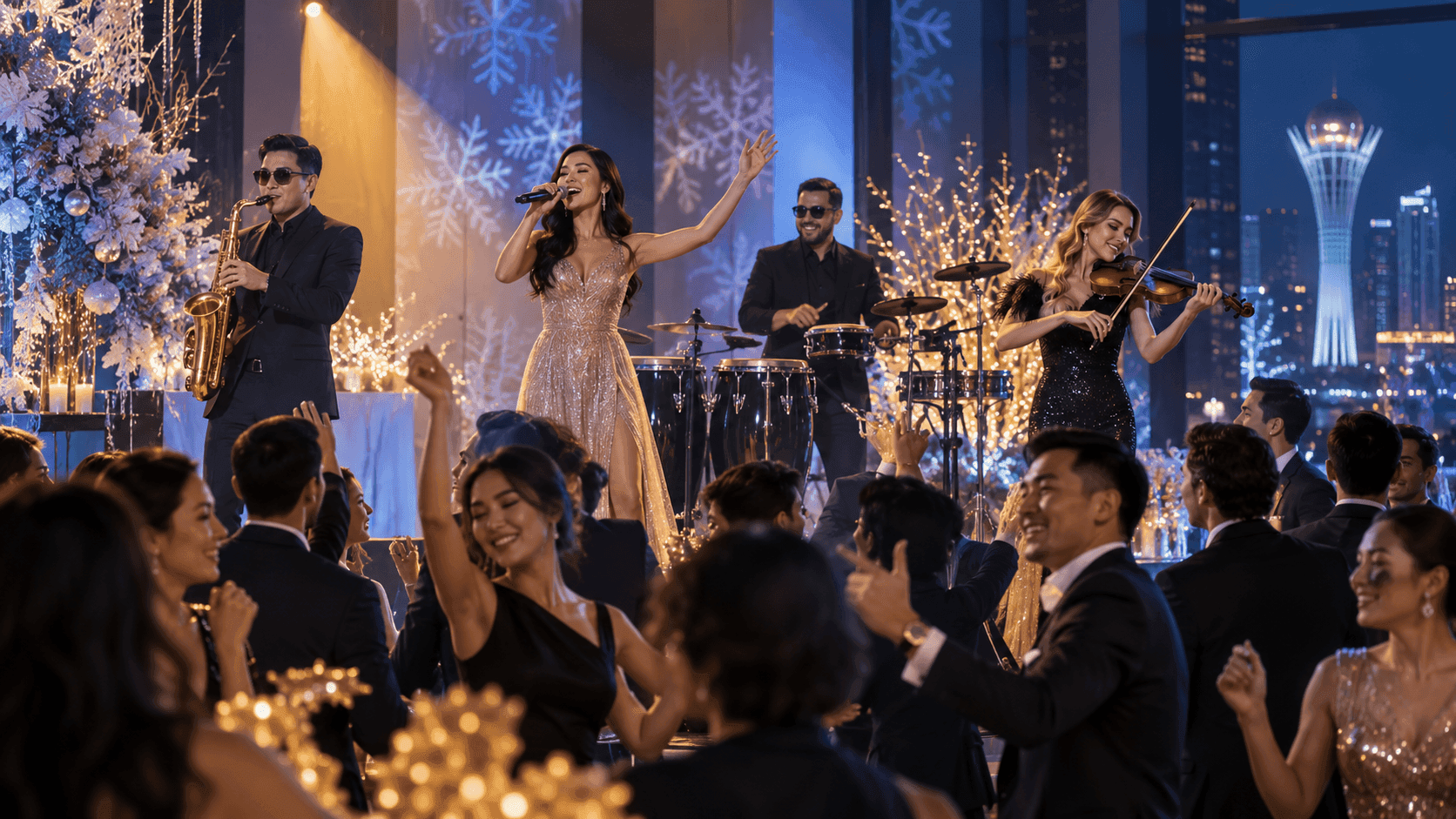
New Year comes only once, so a corporate celebration should become an occasion colleagues remember fondly long after the final song. It is more than a festive dinner. It is an opportunity to thank the team, strengthen company culture and bring the business year to an elegant close.
The quality of the evening also says a great deal about the company, especially when partners, senior leaders, public figures or international guests are attending. The programme should feel dynamic, appropriate and professionally paced. Performers should not appear as a random sequence of acts, but as an integral part of the event's story.
We have selected three musical projects that can set the right tempo for a New Year corporate party and turn key moments of the evening into memorable stage events.
Aday Instrumental Trio - a powerful opening
Aday Instrumental Trio stands out for its energetic delivery, original arrangements and ability to engage a room quickly. The group can open the evening, launch the second half with impact or transform a pause between banquet courses into a complete musical show.
Their format can be adapted to the event's running order. The performance may take the form of a focused concert set featuring international hits and original covers, or a more interactive programme that draws guests into the celebration.
Aday is a strong choice for companies that want to begin confidently and establish an upbeat atmosphere from the first minutes.
Tuesday Show - music, vocals and movement
Tuesday Show combines expressive vocals, contemporary choreography and a polished stage identity. The group works equally well as a standalone pop set or as an extended musical programme supporting the entire evening.
Its repertoire includes songs recognised by different generations. This helps bring the room together rather than divide it by age. Familiar melodies, dynamic routines and confident audience interaction keep the dance floor active without long breaks in momentum.
The project is particularly well suited to a large, mixed-age team looking for music that feels current, accessible and unifying.
Let’s Goga - an impressive programme highlight
Let’s Goga offers a distinctive combination of live vocals and brass instruments. This musical formula gives the project a recognisable identity and brings a fresh sound to familiar dance hits.
The group has a strong visual presence on a large stage and can become one of the evening's principal emotional highlights. The repertoire and set length can be tailored to the event concept, the guest profile and the desired pace of the programme.
Let’s Goga is worth considering when you need an act that not only sounds impressive but also adds visual energy to the celebration.
How to choose performers for a corporate party
Do not rely on popularity alone. Consider the size of the venue, the stage's technical capabilities, the guests' ages and interests, the duration of the banquet and the purpose of each performance within the running order.
One excellent musical act placed at the right point in the programme can achieve more than several disconnected numbers. Define the atmosphere first, then select the performers who can create it.
The DanceHub.kz team can help you choose performers, agree on the most suitable format and shape a music programme that feels coherent, exciting and genuinely memorable.
Recommended articles
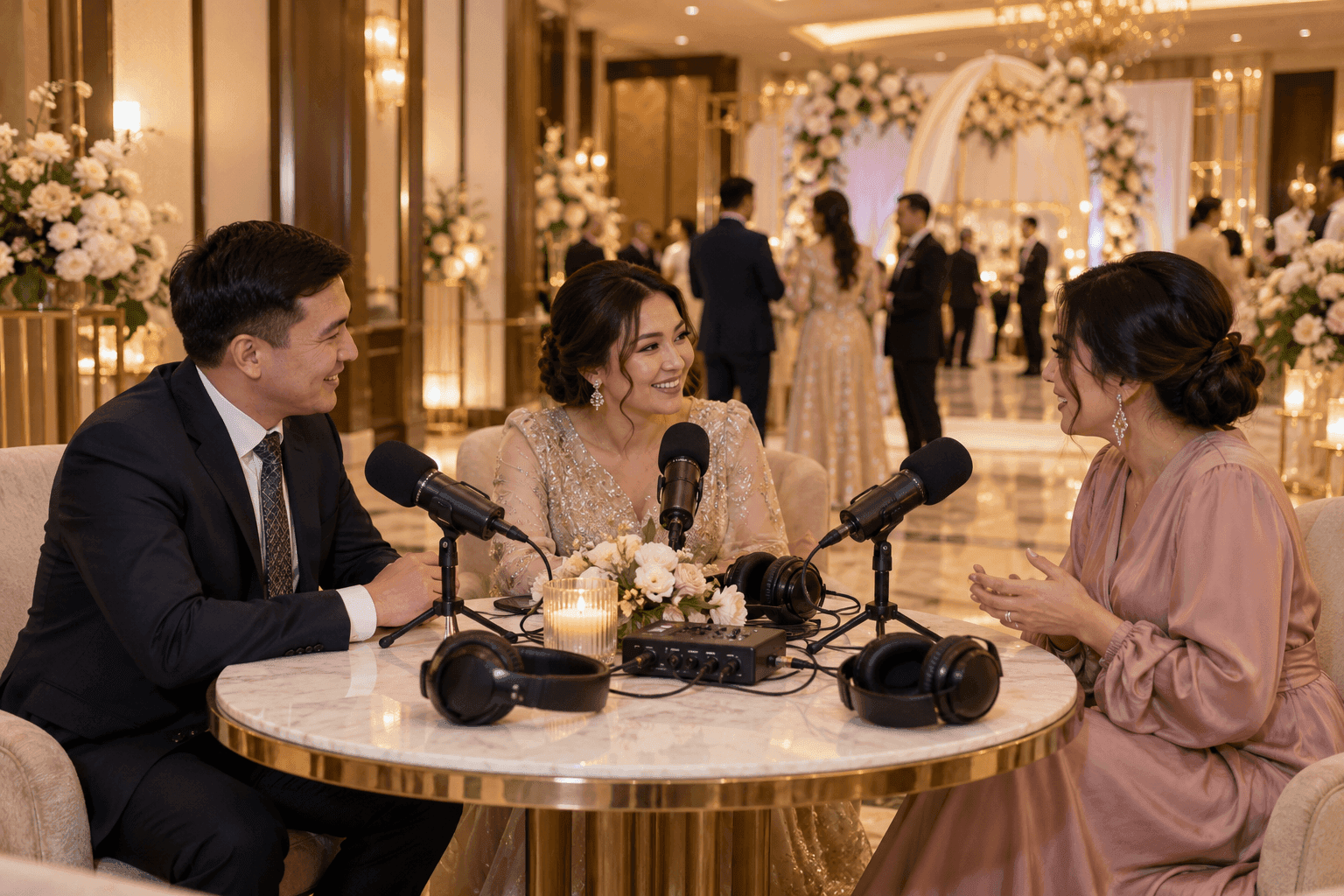
Wedding Podcast 2027
The wedding podcast is quickly finding its place in contemporary celebration programmes. The format began gaining attention in Kazakhstan at the end of summer, while the quieter autumn season gave organisers time to refine the idea for the year ahead. The DanceHub.kz team has already tested it twice and is ready to explain how it works. The podcast corner works best near the entrance to the banquet hall, close to the photo zone and welcome buffet. Recording inside the hall is more difficult: equipment is being checked, lighting and sound are being adjusted, and the service team is completing its final preparations. It is simply too noisy for a relaxed conversation. A small table, three microphones and a neat backdrop are enough to create the studio. Guests arrive, take commemorative photographs, enjoy the buffet and are then invited to record a short story about the newlyweds.
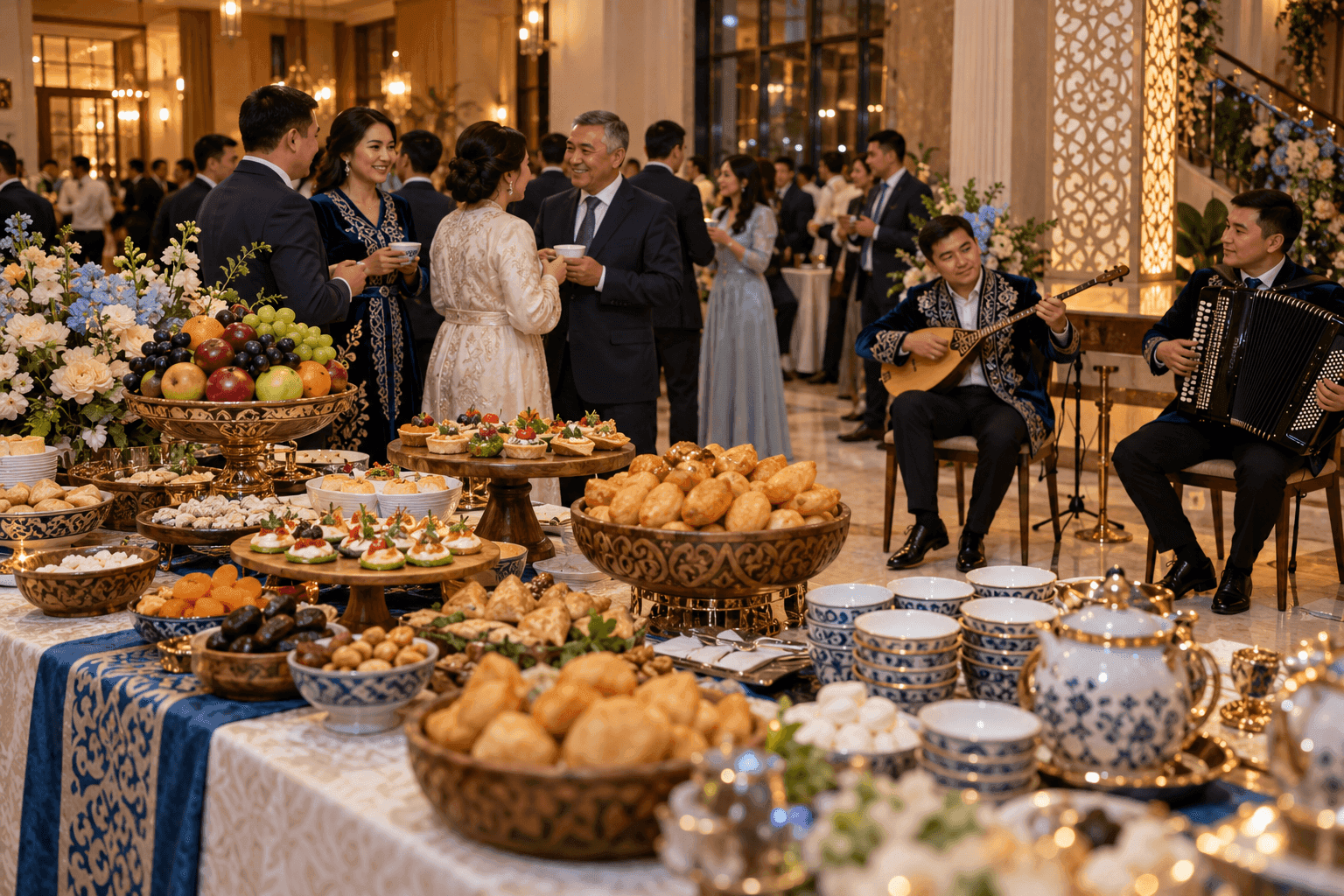
Tips from the DanceHub.kz Organisers
In the first part of our organiser's advice, we explained why a wedding welcome buffet deserves careful attention. Its appearance and presentation shape the first impression of the evening. Now it is time to consider the final touch: the tradition known as Keter Ayaq or Zhol Ayaq. This small ritual takes place at the end of the celebration. Sometimes it uses the same table that held the welcome buffet earlier in the evening. In an alcohol-free celebration, the tradition can be reinterpreted while preserving its most important purpose: seeing guests off with warmth, care and hospitality. The bride has thrown her bouquet, the band has taken the stage, and the second dance interval reflects the newlyweds' own musical taste. The first interval may have featured familiar favourites for the parents' friends and older guests, while the later programme becomes younger and more energetic.
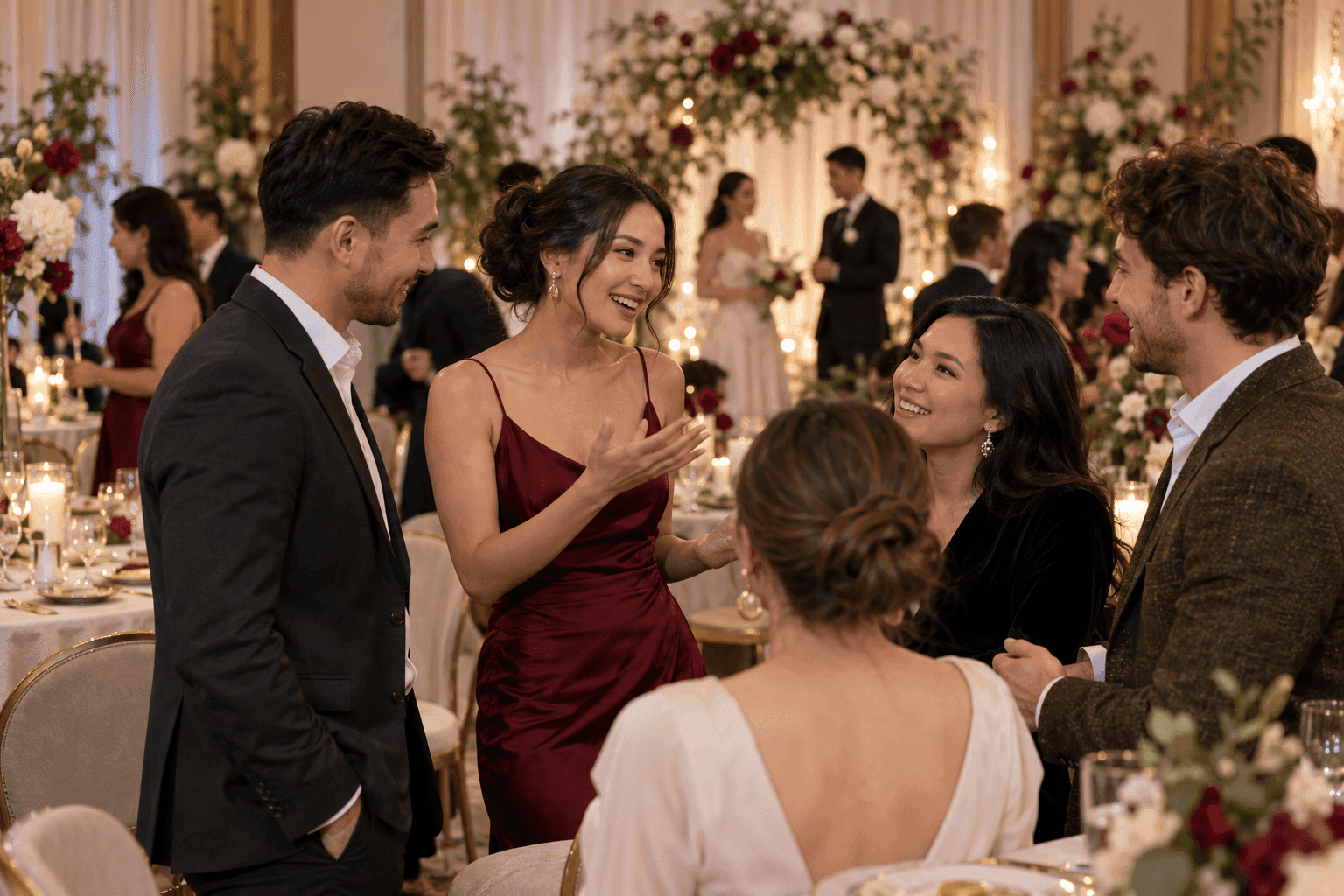
Meeting for a Good Reason: “NOT a Wedding 2027”
Imagine being invited to a wedding and asked to buy a ticket for 20,000-25,000 tenge. The price includes your seat, the menu, drinks, a host and live entertainment. There is just one surprising detail: you know neither the people at your table nor the names of the newlyweds. The bride and groom may not have met before the evening either. This is the idea behind “NOT a Wedding”, a themed party already appearing in selected cities across Europe and the CIS. From the outside, it looks like a real celebration, complete with a welcome buffet, decorations, dinner, toasts and dancing. Its purpose, however, is not marriage. It is designed for conversation, new connections and an unusual cultural experience. Modern city life offers too few natural and comfortable ways for adults to meet. Social media helps people stay connected, but it cannot always replace a face-to-face conversation. “NOT a Wedding” provides a familiar structure in which strangers can introduce themselves, exchange experiences and spend an evening together without the awkwardness of formal networking.
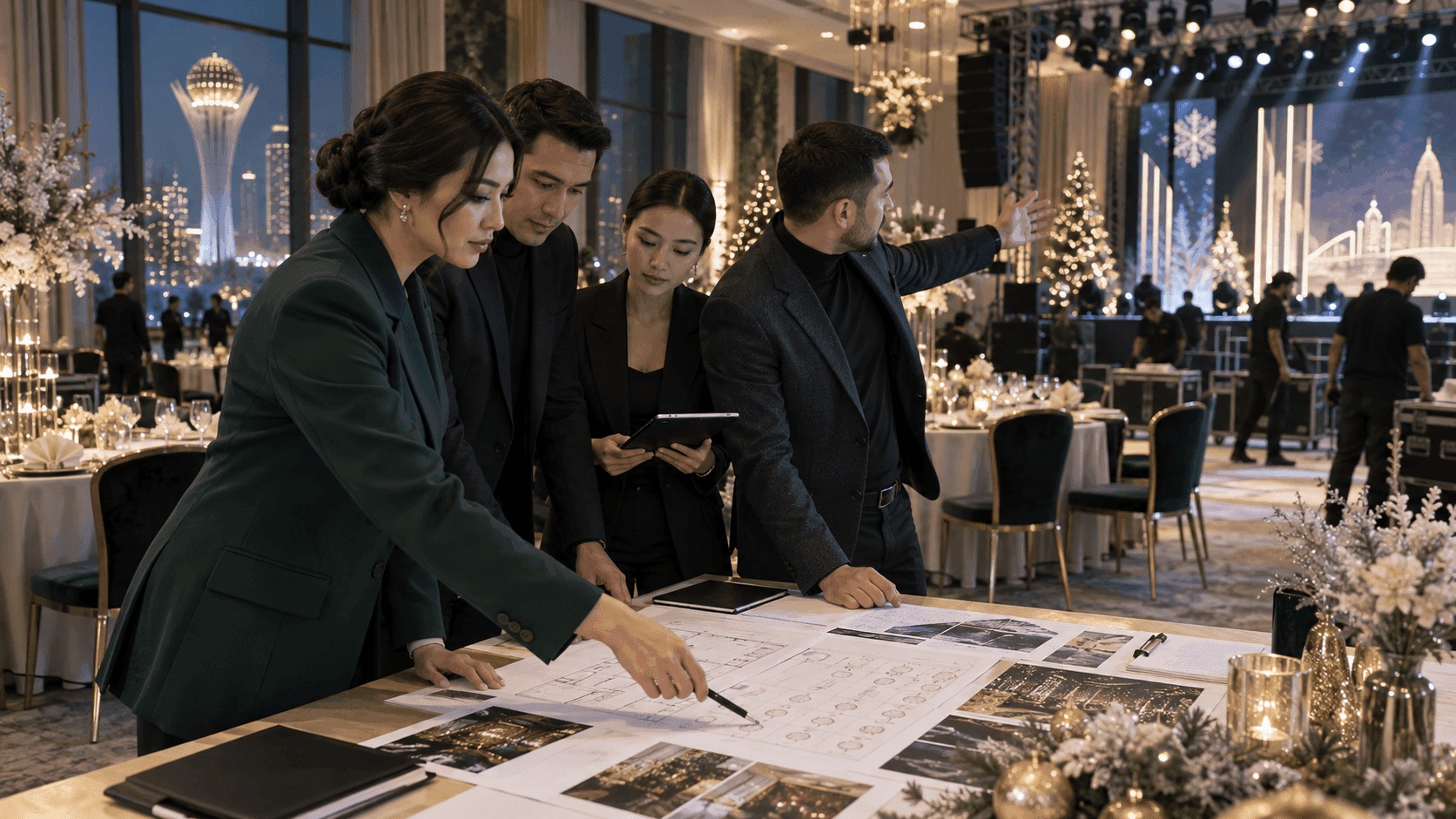
Organising New Year Corporate Events in Astana.
A successful New Year corporate event begins long before December. Large companies often start planning in August, when HR managers research the market, compare suppliers and define the first requirements for the evening. Beginning early gives the team the freedom to choose rather than settle for whatever remains available at the end of the season. It is possible to source a venue, host, performers, decorators and technical crew independently, but doing so requires considerable time and experience. Companies therefore often entrust the project to a professional event agency responsible not only for suppliers but also for the overall logic of the occasion. An event agency is more than an intermediary between a client and performers. It acts as project coordinator, script team, venue administrator and crisis manager on the day itself.
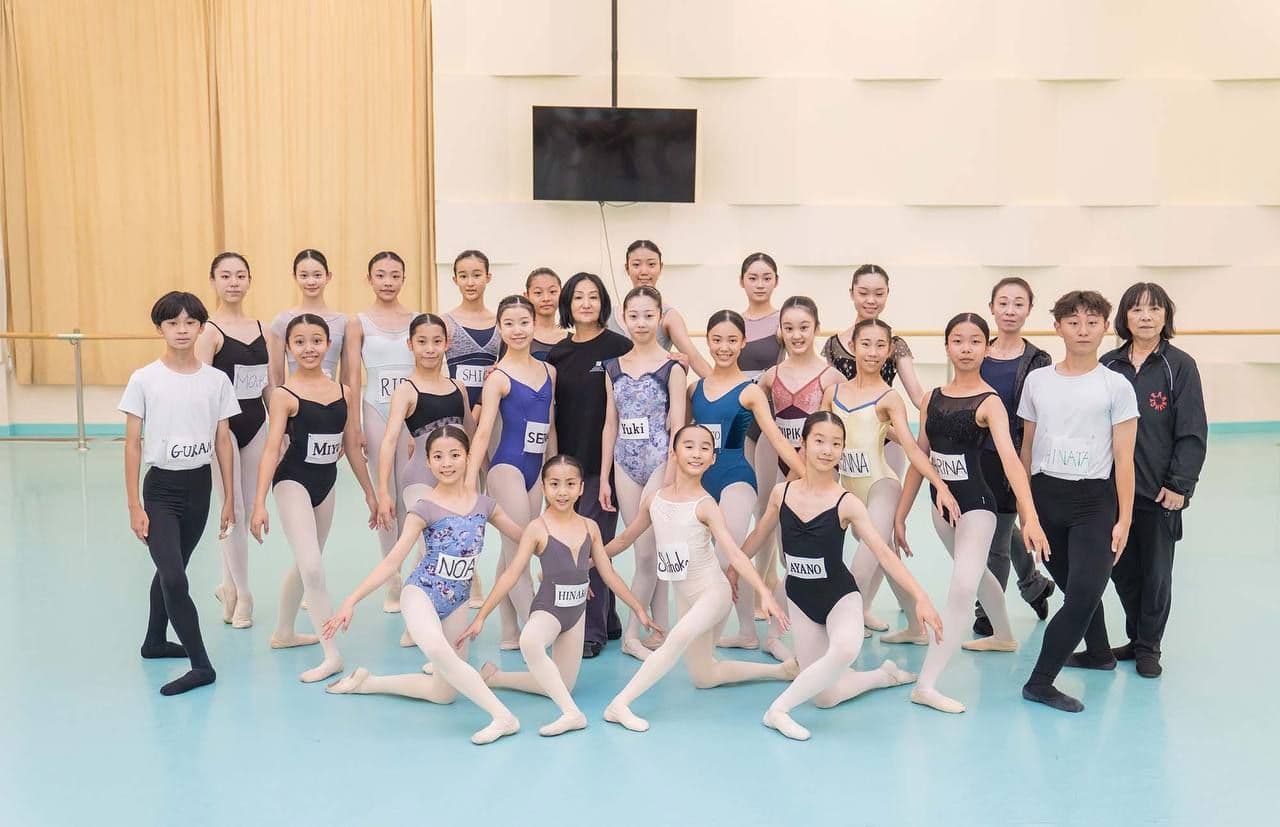
Japanese Delegation Concludes Visit to the Kazakh National Academy of Choreography
The Kazakh National Academy of Choreography has concluded an intensive programme for a delegation from Tokyo's Yoshiko Takagi Ballet School. Twenty-two students and four teachers travelled to Astana to explore Kazakhstan's approach to choreographic education, work with the Academy's leading teachers and exchange professional experience. The Japanese guests followed a focused educational programme. Young dancers took part in masterclasses in classical and folk-stage dance and worked on classical variations drawn from the world's ballet repertoire. Each class offered more than technical practice. It also allowed the students to view familiar elements through a different teaching tradition. For young artists, this kind of exchange broadens their professional outlook and encourages closer attention to every detail of stagecraft.