From a folk ritual to toy: the Kazakh national dance
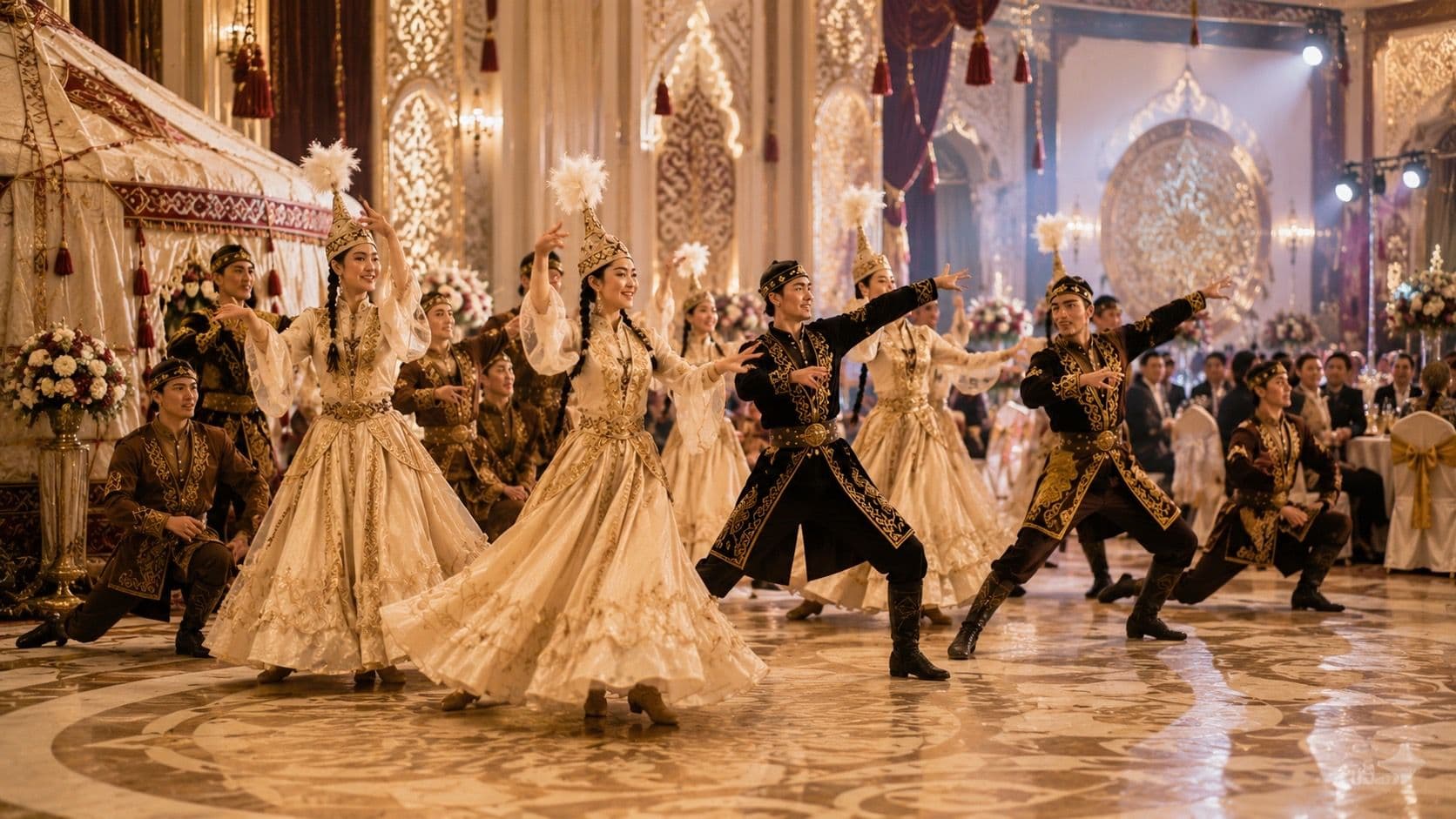
Today, the Kazakh national dance has become an integral part of weddings, anniversaries, tusaukeser, kyz uzatu, and other celebrations. Dance groups welcome guests, kick off the festivities, accompany national rituals, and turn family events into vibrant theatrical performances. However, the history of the national dance began long before the appearance of restaurants, concert venues, and modern
Toy industry. Kazakh dance developed as part of the everyday life of the nomadic people. Through movements, a person could convey character, mood, depict hunting, horse riding, daily work, or animal behaviors. The dance didn’t have a strictly set sequence of movements: the performer improvised, guided by the music, the story, and the reaction of those around them. In traditional society, a song,
Music, competitions, and dance were closely interconnected. During holidays and family celebrations, people would gather together, sing songs, play the dombra, joke around, and compete in skill. Dance often arose spontaneously. A performer would step into a circle and, using gestures, facial expressions, and movement, act out a small scene. They might portray a brave hunter, a skilled horseman, or a shy girl.
or a cheerful old man. That's why the traditional Kazakh dance was not just a set of beautiful movements. It told a story, conveyed emotions, and often included elements of humor, imitation, and theatrical play. This feature has been preserved in the modern toy industry as well. Many performances are still built around a specific character or event, like meeting the bride or giving a blessing.
newlyweds, seeing off a girl from her parents' home, or a child's first steps. Today, such performances can be part of almost any celebration. On our website, you can order national dance performances for a wedding, kız uzatu, anniversary, family toy, corporate event, or official concert. We will help you choose the right group, performance format, and
the number of performers considering the venue, script, and scale of your event. Today, a national dance is not just part of the entertainment program, but an important part of the celebration that highlights its atmosphere, preserves cultural traditions, and leaves guests with vivid impressions for many years.
Сегодня казахский национальный танец стал неотъемлемой частью свадеб, юбилеев, тұсаукесер, қыз ұзату и других торжеств. Танцевальные коллективы встречают гостей, открывают праздник, сопровождают национальные обряды и превращают семейное событие в яркое театрализованное представление. Однако история национального танца началась задолго до появления ресторанов, концертных площадок и современной той-индустрии.
Казахский танец формировался как часть повседневной жизни кочевого народа. Через движения человек мог передать характер, настроение, изобразить охоту, скачку, повседневный труд или повадки животных. У танца не существовало строго установленной последовательности движений: исполнитель импровизировал, ориентируясь на музыку, сюжет и реакцию окружающих.
В традиционном обществе песня, музыка, состязания и танец были неразрывно связаны между собой. Во время праздников и семейных торжеств люди собирались вместе, исполняли песни, играли на домбре, шутили и соревновались в мастерстве.
Танец нередко возникал спонтанно. Исполнитель выходил в круг и с помощью жестов, мимики и пластики разыгрывал небольшую сцену. Он мог показать смелого охотника, искусного всадника, застенчивую девушку или жизнерадостного старика.
Именно поэтому традиционный казахский танец был не просто набором красивых движений. Он рассказывал историю, передавал эмоции и нередко включал элементы юмора, подражания и театральной игры.
Эта особенность сохранилась и в современной той-индустрии. Многие постановки по-прежнему строятся вокруг определенного образа или события: встречи невесты, благословения молодоженов, проводов девушки из родительского дома или первых шагов ребенка.
Сегодня такие номера могут стать частью программы практически любого торжества. На нашем сайте вы можете заказать национальные танцевальные постановки для свадьбы, қыз ұзату, юбилея, семейного тоя, корпоративного мероприятия или официального концерта. Мы поможем подобрать подходящий коллектив, формат выступления и количество артистов с учетом площадки, сценария и масштаба вашего мероприятия.
Сегодня национальный танец — это не просто элемент развлекательной программы, а важная часть праздника, которая подчеркивает его атмосферу, сохраняет культурные традиции и оставляет у гостей яркие впечатления на долгие годы.
Recommended articles
Wedding Podcast 2027
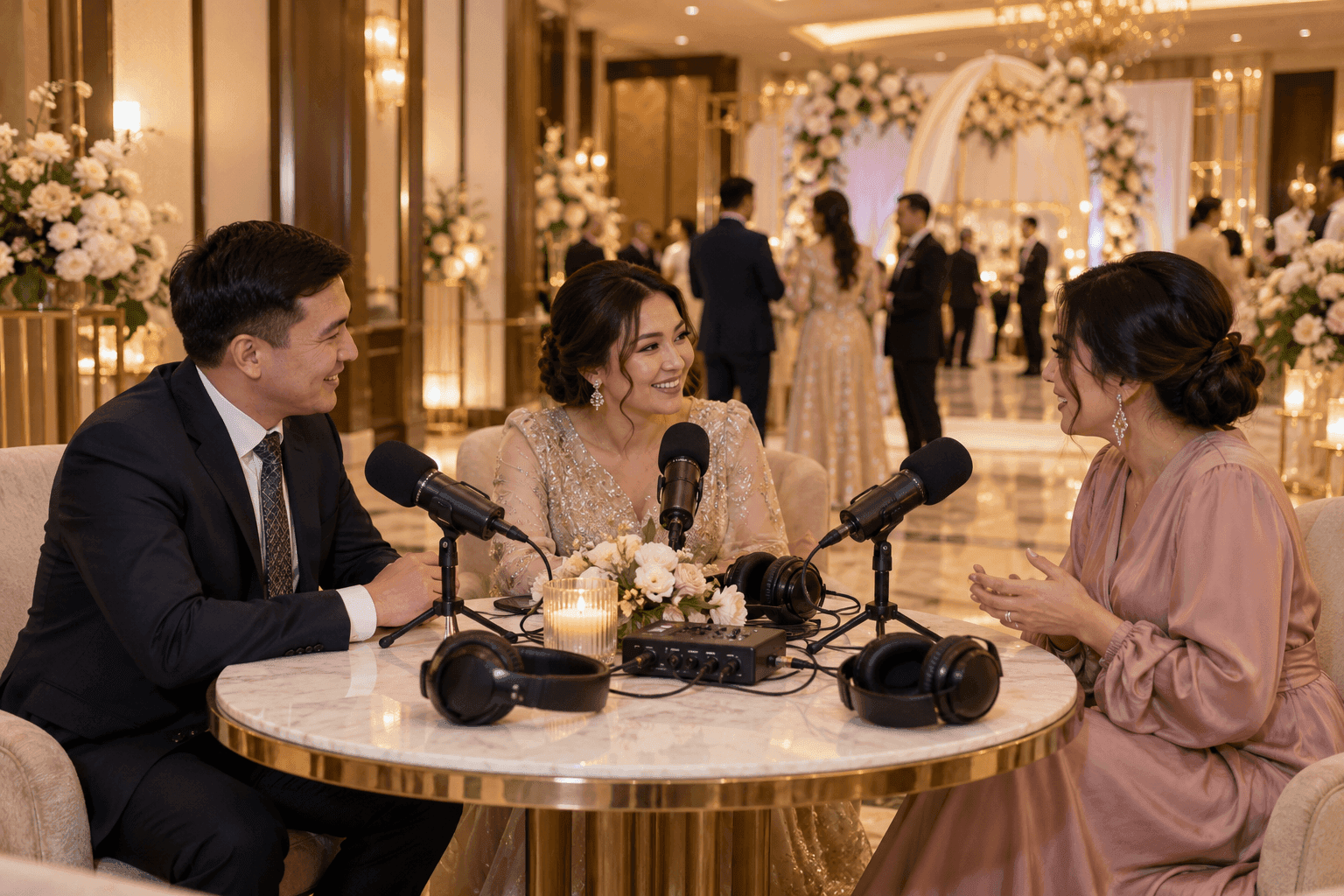
The wedding podcast is quickly finding its place in contemporary celebration programmes. The format began gaining attention in Kazakhstan at the end of summer, while the quieter autumn season gave organisers time to refine the idea for the year ahead. The DanceHub.kz team has already tested it twice and is ready to explain how it works. The podcast corner works best near the entrance to the banquet hall, close to the photo zone and welcome buffet. Recording inside the hall is more difficult: equipment is being checked, lighting and sound are being adjusted, and the service team is completing its final preparations. It is simply too noisy for a relaxed conversation. A small table, three microphones and a neat backdrop are enough to create the studio. Guests arrive, take commemorative photographs, enjoy the buffet and are then invited to record a short story about the newlyweds.
Tips from the DanceHub.kz Organisers
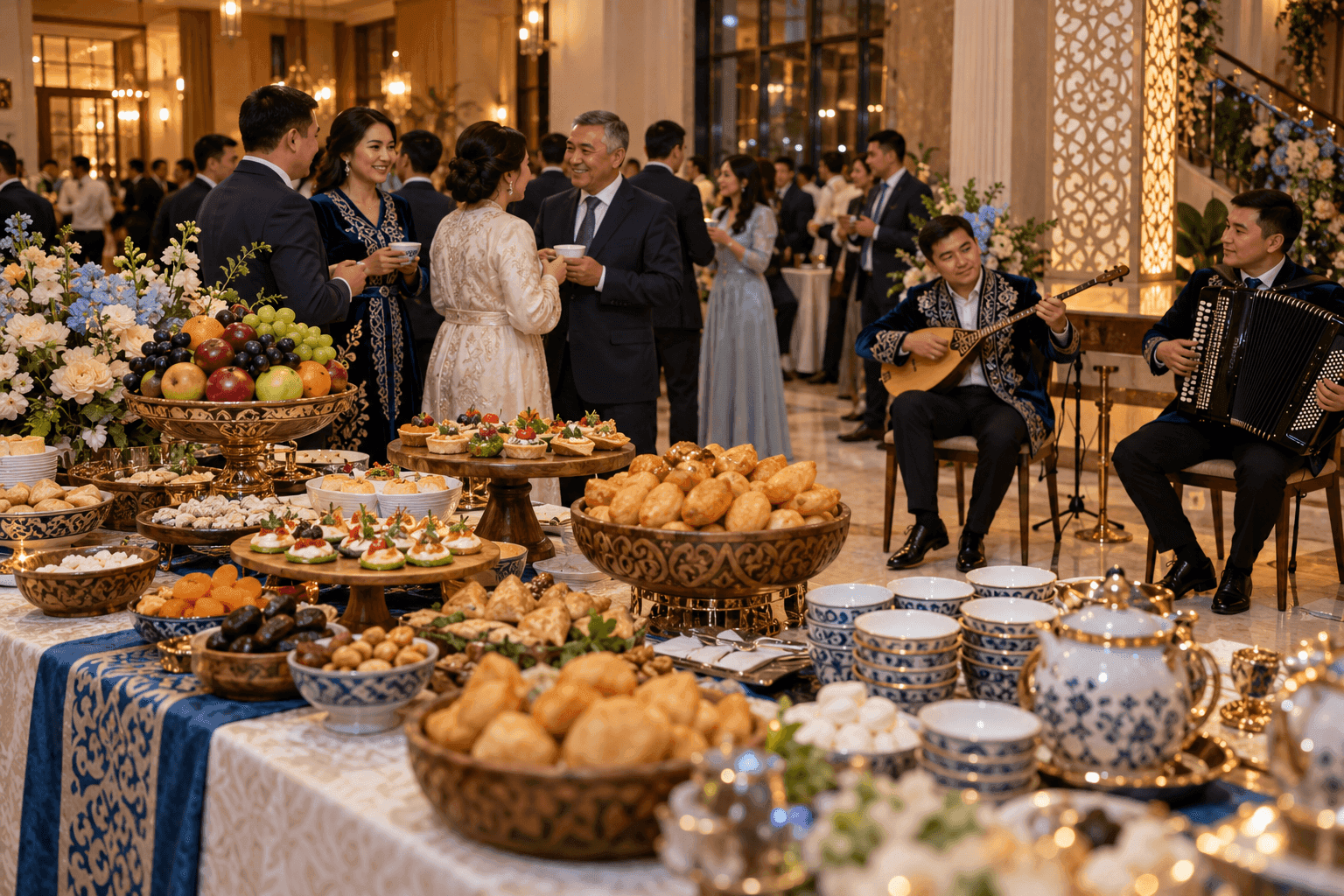
In the first part of our organiser's advice, we explained why a wedding welcome buffet deserves careful attention. Its appearance and presentation shape the first impression of the evening. Now it is time to consider the final touch: the tradition known as Keter Ayaq or Zhol Ayaq. This small ritual takes place at the end of the celebration. Sometimes it uses the same table that held the welcome buffet earlier in the evening. In an alcohol-free celebration, the tradition can be reinterpreted while preserving its most important purpose: seeing guests off with warmth, care and hospitality. The bride has thrown her bouquet, the band has taken the stage, and the second dance interval reflects the newlyweds' own musical taste. The first interval may have featured familiar favourites for the parents' friends and older guests, while the later programme becomes younger and more energetic.
Meeting for a Good Reason: “NOT a Wedding 2027”
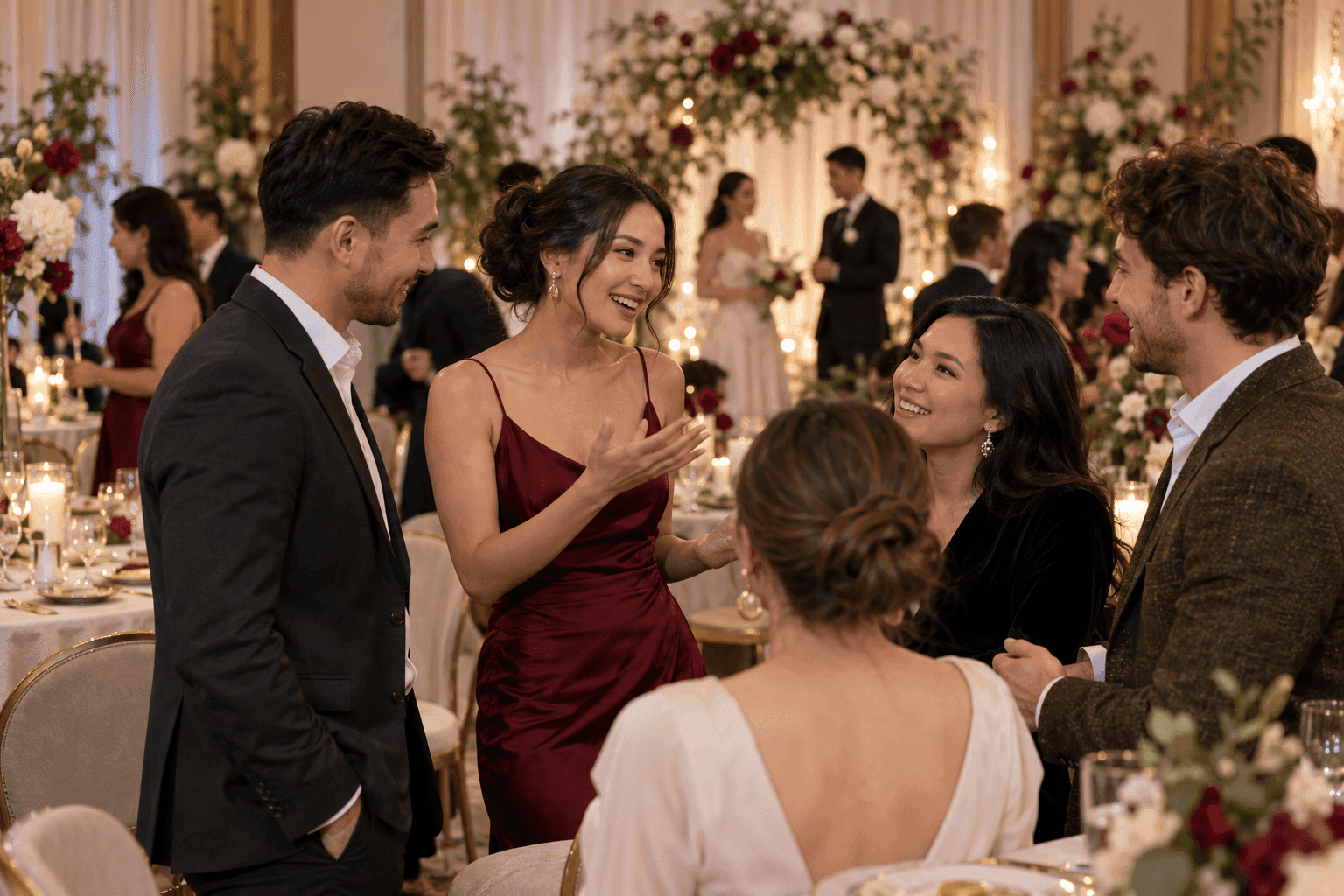
Imagine being invited to a wedding and asked to buy a ticket for 20,000-25,000 tenge. The price includes your seat, the menu, drinks, a host and live entertainment. There is just one surprising detail: you know neither the people at your table nor the names of the newlyweds. The bride and groom may not have met before the evening either. This is the idea behind “NOT a Wedding”, a themed party already appearing in selected cities across Europe and the CIS. From the outside, it looks like a real celebration, complete with a welcome buffet, decorations, dinner, toasts and dancing. Its purpose, however, is not marriage. It is designed for conversation, new connections and an unusual cultural experience. Modern city life offers too few natural and comfortable ways for adults to meet. Social media helps people stay connected, but it cannot always replace a face-to-face conversation. “NOT a Wedding” provides a familiar structure in which strangers can introduce themselves, exchange experiences and spend an evening together without the awkwardness of formal networking.
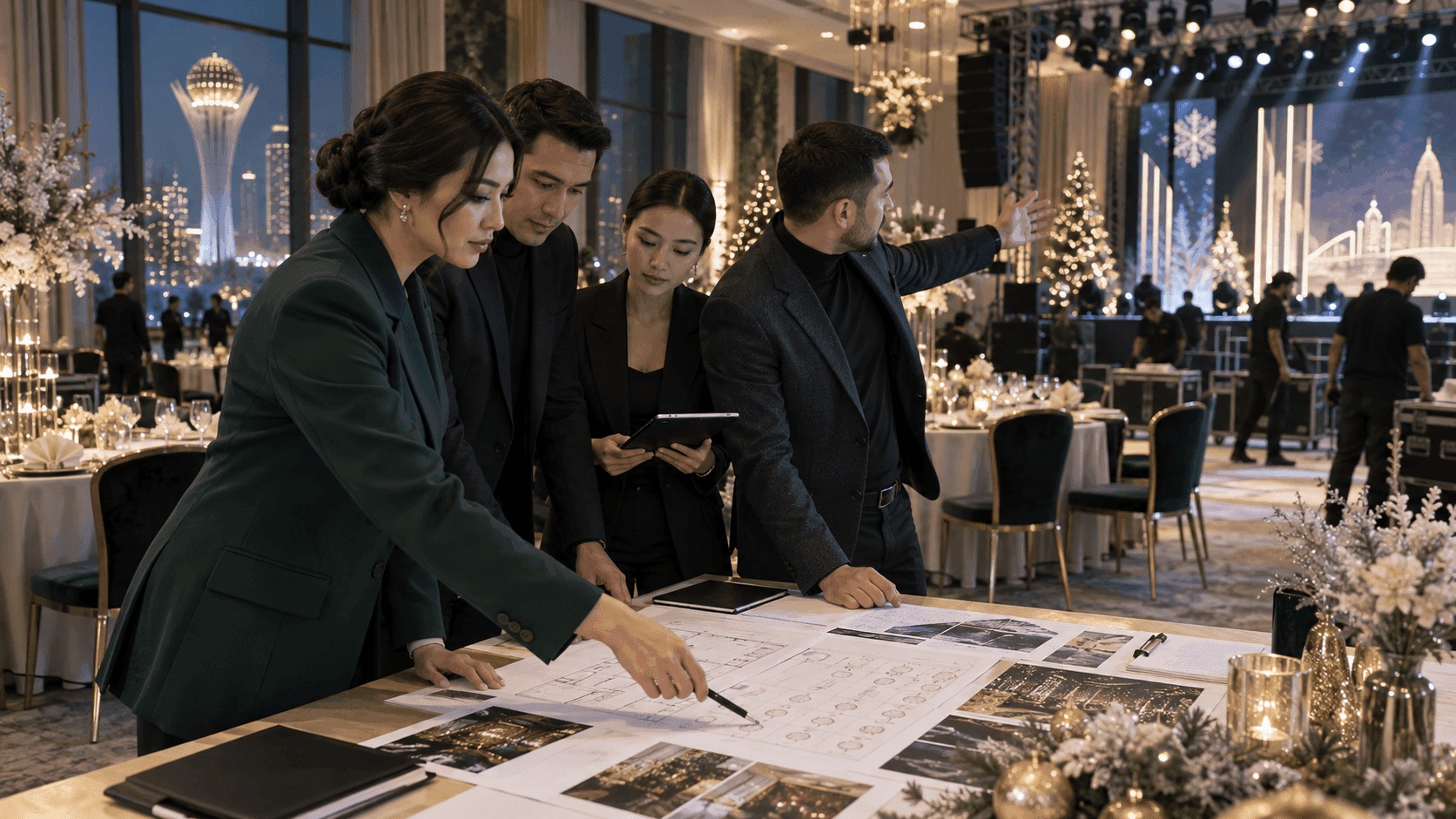
Organising New Year Corporate Events in Astana.
A successful New Year corporate event begins long before December. Large companies often start planning in August, when HR managers research the market, compare suppliers and define the first requirements for the evening. Beginning early gives the team the freedom to choose rather than settle for whatever remains available at the end of the season. It is possible to source a venue, host, performers, decorators and technical crew independently, but doing so requires considerable time and experience. Companies therefore often entrust the project to a professional event agency responsible not only for suppliers but also for the overall logic of the occasion. An event agency is more than an intermediary between a client and performers. It acts as project coordinator, script team, venue administrator and crisis manager on the day itself.
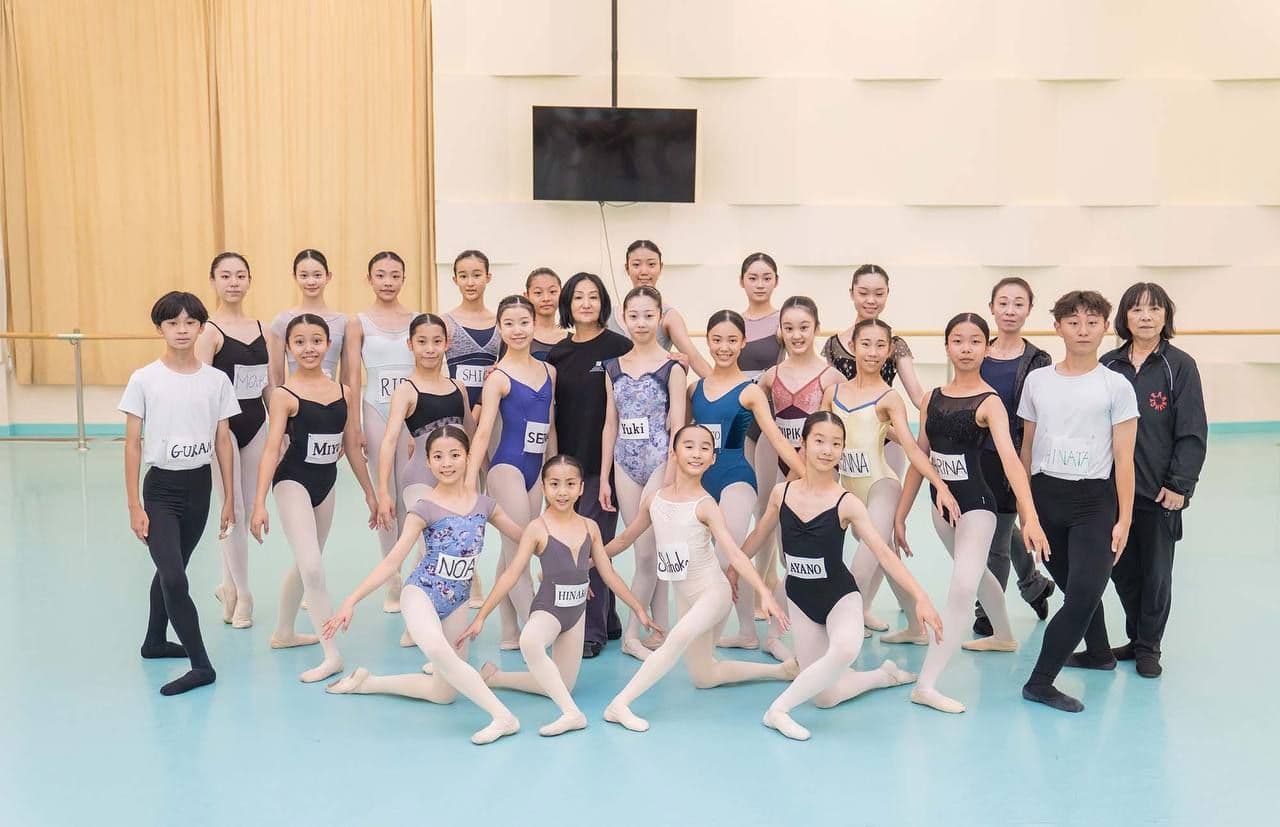
Japanese Delegation Concludes Visit to the Kazakh National Academy of Choreography
The Kazakh National Academy of Choreography has concluded an intensive programme for a delegation from Tokyo's Yoshiko Takagi Ballet School. Twenty-two students and four teachers travelled to Astana to explore Kazakhstan's approach to choreographic education, work with the Academy's leading teachers and exchange professional experience. The Japanese guests followed a focused educational programme. Young dancers took part in masterclasses in classical and folk-stage dance and worked on classical variations drawn from the world's ballet repertoire. Each class offered more than technical practice. It also allowed the students to view familiar elements through a different teaching tradition. For young artists, this kind of exchange broadens their professional outlook and encourages closer attention to every detail of stagecraft.