Summer Events in the Capital

Undoubtedly, the cultural life of the capital isn’t limited to just choreographic art. A real wave of enthusiastic reviews was sparked by the production of the opera “Aida” at the Astana Opera Theater. The scale of the production, the director’s vision, the impressive set design, and the luxurious costumes made the performance one of the brightest cultural events of the season. Equally significant in June was the grand musical parade,
held at the Central Concert Hall 'Kazakhstan'. For the first time, the audience was presented with world-famous works in the Kazakh language. 'Notre-Dame de Paris', 'Mamma Mia!', 'Moulin Rouge', and many other legendary productions were opened to the public in a completely new way, allowing people to see familiar stories through the lens of national culture. Traditionally, before the start of the creative holidays, which
Starting in mid-July, theaters, concert venues, and art galleries offer especially packed programs. It's also great that interest in the capital's cultural events continues to grow rapidly. The audience is noticeably getting younger — more and more often, spectators are teenagers and young people starting from 14 years old. In addition, more and more guests are coming to performances, concerts, and premiere screenings from
Other cities and regions of Kazakhstan. If earlier this trend was mostly typical for concerts of world stars, whose performances became an excuse for tourist trips to the capital, today the city's cultural life also noticeably influences the development of domestic cultural tourism. More and more Kazakhs are coming to Astana specifically for theater performances,
concert programs and large-scale creative projects. The DanceHub.kz team aims to cover a wide range of cultural life in the capital — from major state and socially significant events to vibrant projects by event industry professionals who create a festive and creative atmosphere every day. One such event was the participation of the DanceHub.kz team in the celebration of the Day
event organizer. As part of the event, the project founder Ruslan Kenzikeev introduced the new dance-interactive group Space Dance. It included young, talented, and incredibly energetic performers united by the idea of creating modern interactive shows. The debut performance of Space Dance was a real revelation for the audience. The main feature of the act was the unusual
interactive format: the guests didn’t leave the hall to prepare for their participation as usually happens, but stayed at the center of the action until the very end of the act. This directorial decision helped maintain the flow of the performance, heighten emotional tension, and make every participant an integral part of the show. Creative summer in the capital continues, and the city’s cultural life keeps getting more lively with each passing day
The month is becoming increasingly rich and diverse. We will follow its development with interest, sharing with our readers the brightest events, talented artists, and new projects that are shaping the modern cultural face of Astana.
Безусловно, культурная жизнь столицы не ограничивается лишь хореографическим искусством. Настоящую волну восторженных отзывов вызвала постановка оперы «Аида» в театре Астана Опера. Масштаб постановки, режиссёрский размах, впечатляющая сценография и роскошные костюмы сделали спектакль одним из самых ярких культурных событий сезона.
Не менее значимым событием июня стал грандиозный парад мюзиклов, состоявшийся в Центральный концертный зал «Казахстан». Впервые зрителям были представлены всемирно известные произведения на казахском языке. «Нотр-Дам де Пари», «Mamma Mia!», «Мулен Руж» и многие другие легендарные постановки открылись публике совершенно по-новому, позволив взглянуть на знакомые истории через призму национальной культуры.
Традиционно перед началом творческих каникул, которые стартуют в середине июля, театры, концертные площадки и художественные галереи предлагают особенно насыщенную программу. Радует и тот факт, что интерес к культурным событиям столицы продолжает стремительно расти. Заметно молодеет аудитория — всё чаще зрителями становятся подростки и молодые люди начиная с 14 лет. Кроме того, на спектакли, концерты и премьерные показы всё чаще приезжают гости из других городов и регионов Казахстана.
Если раньше подобная тенденция была характерна преимущественно для концертов мировых звёзд, чьи выступления становились поводом для туристических поездок в столицу, то сегодня культурная жизнь города оказывает заметное влияние и на развитие внутреннего культурного туризма. Всё больше казахстанцев приезжают в Астану именно ради театральных постановок, концертных программ и масштабных творческих проектов.
Команда DanceHub.kz стремится освещать самые разные направления культурной жизни столицы — от крупнейших государственных и общественно значимых мероприятий до ярких проектов представителей ивент-индустрии, ежедневно создающих атмосферу праздника и творчества.
Одним из таких событий стало участие команды DanceHub.kz в праздновании Дня ивент-организатора. В рамках мероприятия основатель проекта Руслан Кензикеев представил новый танцевально-интерактивный коллектив Space Dance. В его состав вошли молодые, талантливые и невероятно энергичные артисты, объединённые идеей создания современных интерактивных шоу.
Дебютное выступление Space Dance стало настоящим открытием для зрителей. Главной особенностью номера стал необычный интерактивный формат: гости не покидали зал для подготовки к участию, как это происходит обычно, а оставались в центре происходящего до самого финала номера. Такое режиссёрское решение позволило сохранить динамику действия, усилить эмоциональное напряжение и сделать каждого участника неотъемлемой частью представления.
Творческое лето в столице продолжается, а культурная жизнь города с каждым месяцем становится всё более насыщенной и разнообразной. Мы с интересом будем следить за её развитием, рассказывая нашим читателям о самых ярких событиях, талантливых артистах и новых проектах, формирующих современный культурный облик Астаны.
Recommended articles
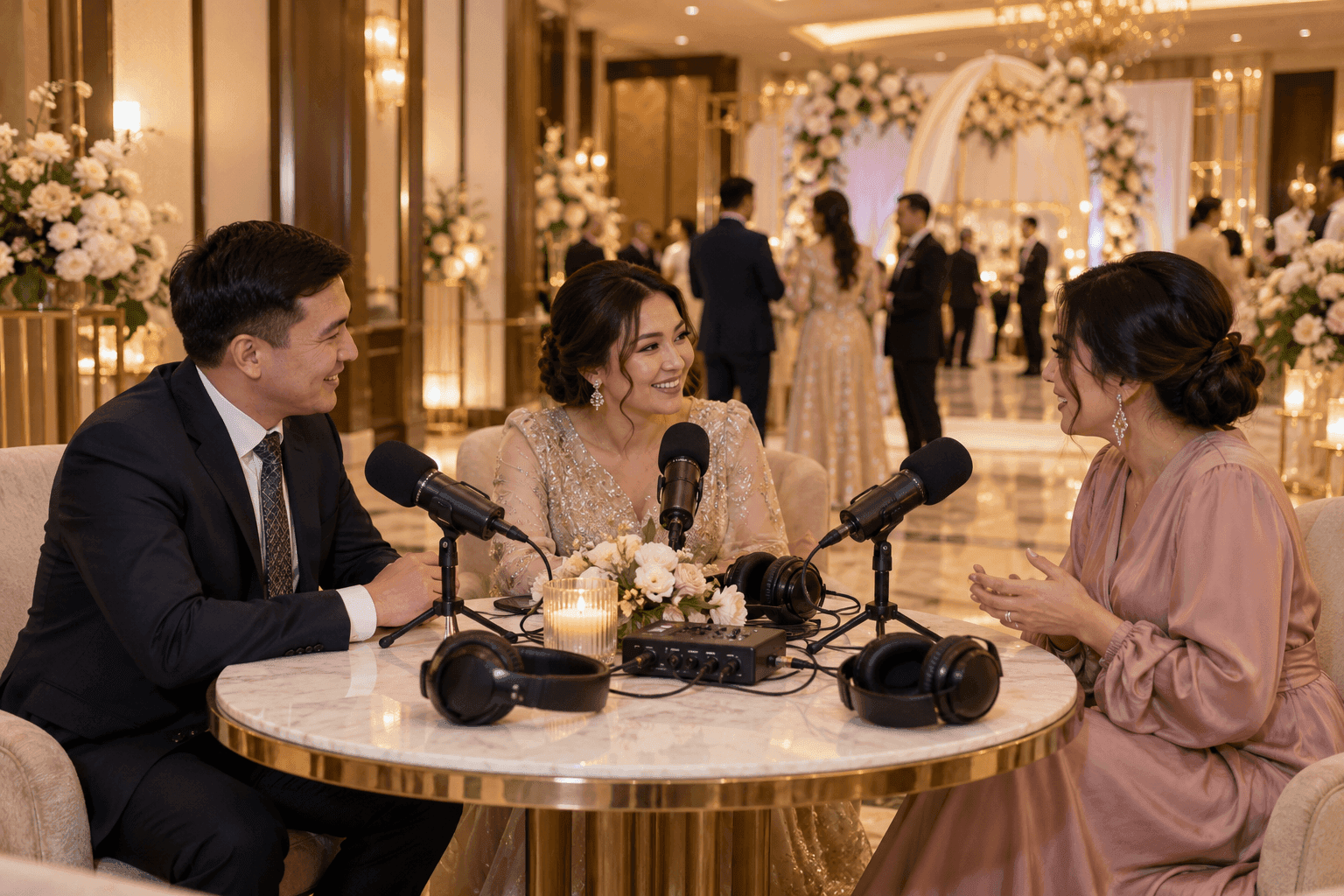
Wedding Podcast 2027
The wedding podcast is quickly finding its place in contemporary celebration programmes. The format began gaining attention in Kazakhstan at the end of summer, while the quieter autumn season gave organisers time to refine the idea for the year ahead. The DanceHub.kz team has already tested it twice and is ready to explain how it works. The podcast corner works best near the entrance to the banquet hall, close to the photo zone and welcome buffet. Recording inside the hall is more difficult: equipment is being checked, lighting and sound are being adjusted, and the service team is completing its final preparations. It is simply too noisy for a relaxed conversation. A small table, three microphones and a neat backdrop are enough to create the studio. Guests arrive, take commemorative photographs, enjoy the buffet and are then invited to record a short story about the newlyweds.
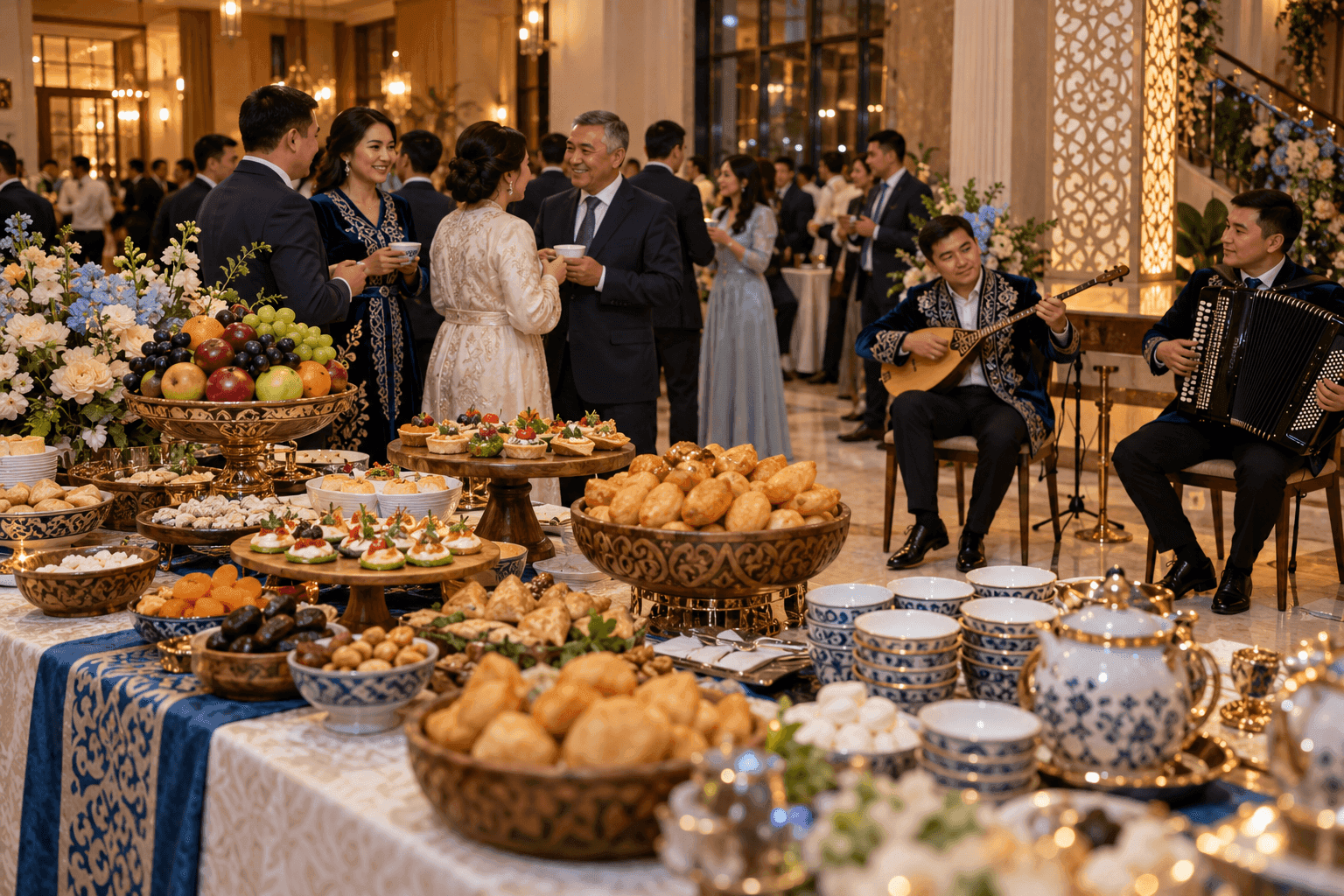
Tips from the DanceHub.kz Organisers
In the first part of our organiser's advice, we explained why a wedding welcome buffet deserves careful attention. Its appearance and presentation shape the first impression of the evening. Now it is time to consider the final touch: the tradition known as Keter Ayaq or Zhol Ayaq. This small ritual takes place at the end of the celebration. Sometimes it uses the same table that held the welcome buffet earlier in the evening. In an alcohol-free celebration, the tradition can be reinterpreted while preserving its most important purpose: seeing guests off with warmth, care and hospitality. The bride has thrown her bouquet, the band has taken the stage, and the second dance interval reflects the newlyweds' own musical taste. The first interval may have featured familiar favourites for the parents' friends and older guests, while the later programme becomes younger and more energetic.
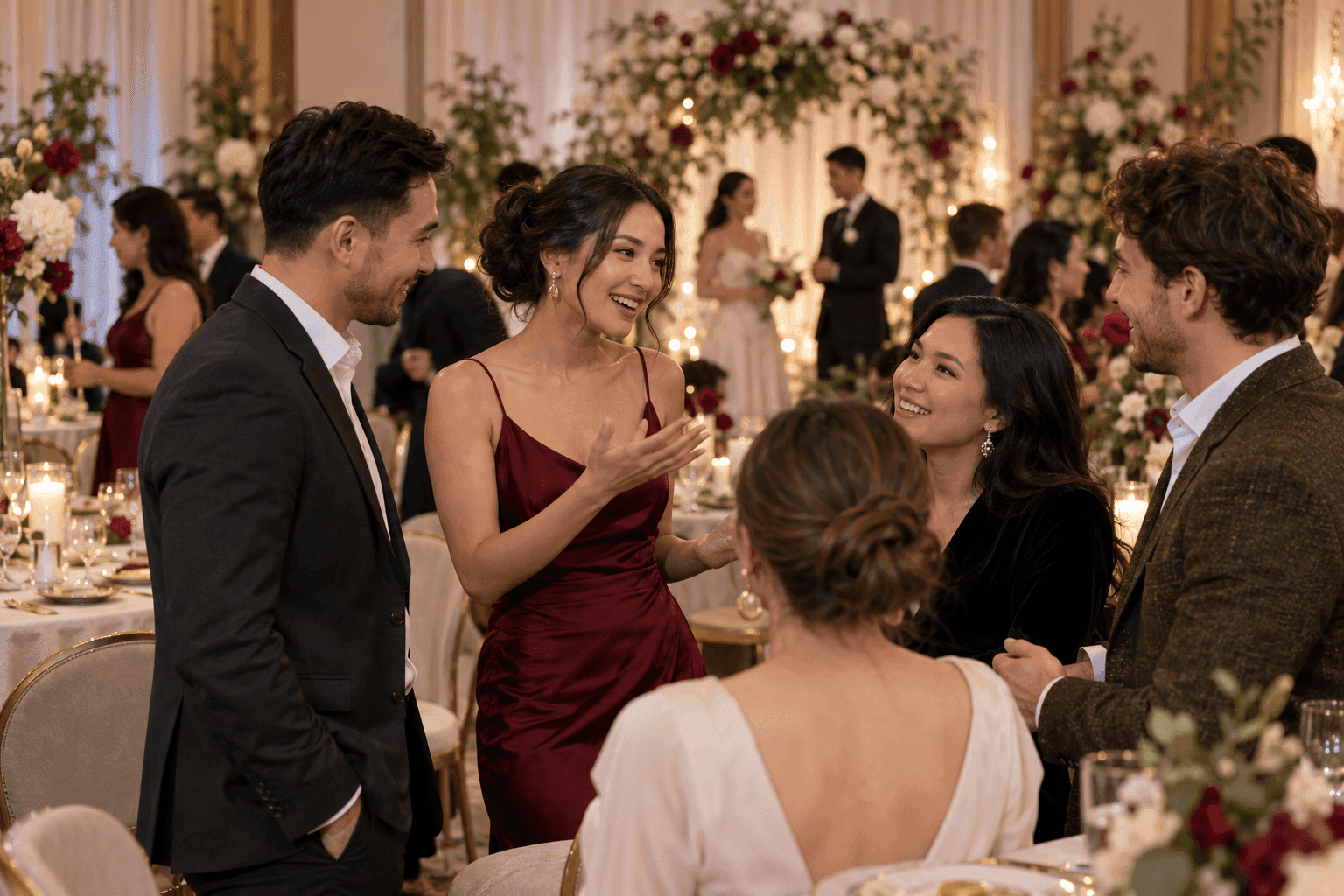
Meeting for a Good Reason: “NOT a Wedding 2027”
Imagine being invited to a wedding and asked to buy a ticket for 20,000-25,000 tenge. The price includes your seat, the menu, drinks, a host and live entertainment. There is just one surprising detail: you know neither the people at your table nor the names of the newlyweds. The bride and groom may not have met before the evening either. This is the idea behind “NOT a Wedding”, a themed party already appearing in selected cities across Europe and the CIS. From the outside, it looks like a real celebration, complete with a welcome buffet, decorations, dinner, toasts and dancing. Its purpose, however, is not marriage. It is designed for conversation, new connections and an unusual cultural experience. Modern city life offers too few natural and comfortable ways for adults to meet. Social media helps people stay connected, but it cannot always replace a face-to-face conversation. “NOT a Wedding” provides a familiar structure in which strangers can introduce themselves, exchange experiences and spend an evening together without the awkwardness of formal networking.
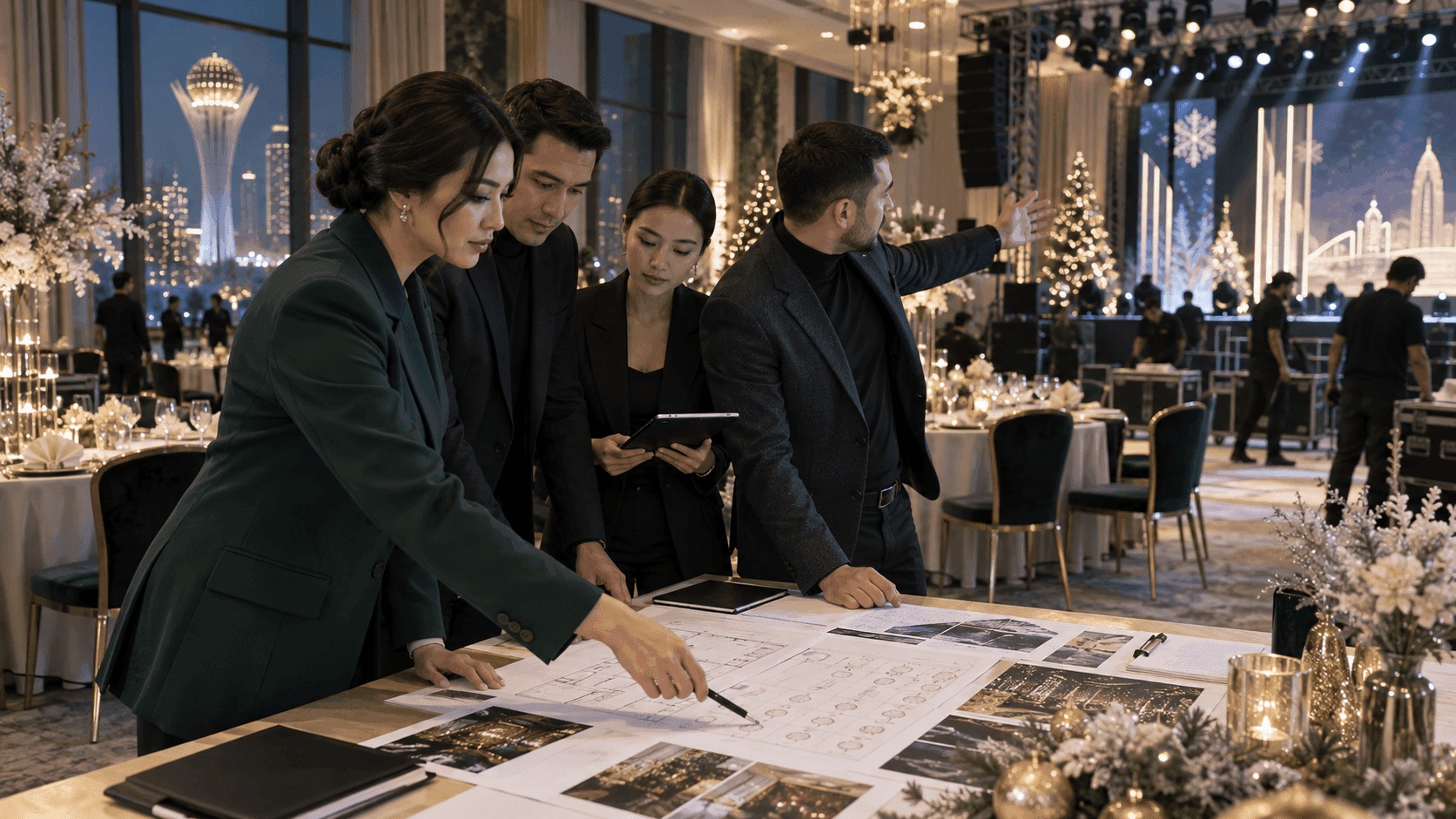
Organising New Year Corporate Events in Astana.
A successful New Year corporate event begins long before December. Large companies often start planning in August, when HR managers research the market, compare suppliers and define the first requirements for the evening. Beginning early gives the team the freedom to choose rather than settle for whatever remains available at the end of the season. It is possible to source a venue, host, performers, decorators and technical crew independently, but doing so requires considerable time and experience. Companies therefore often entrust the project to a professional event agency responsible not only for suppliers but also for the overall logic of the occasion. An event agency is more than an intermediary between a client and performers. It acts as project coordinator, script team, venue administrator and crisis manager on the day itself.
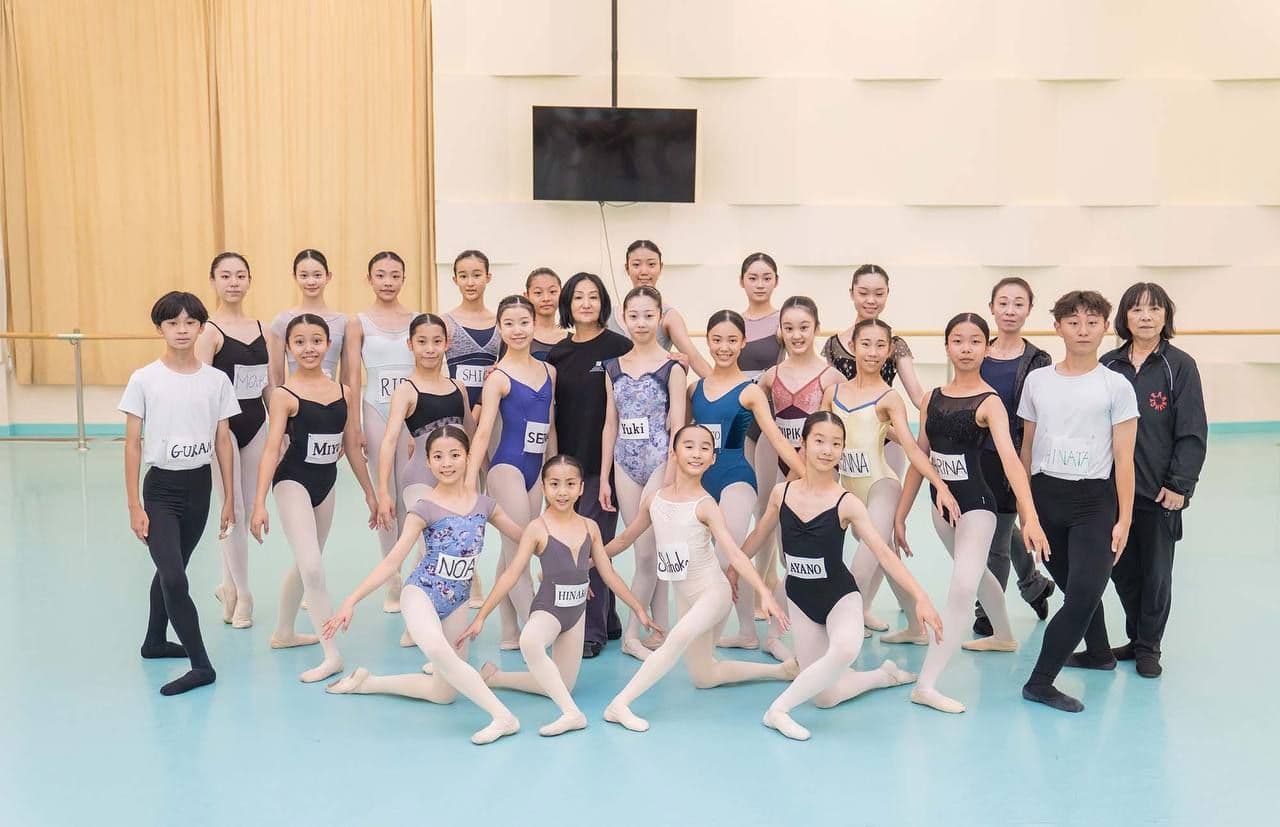
Japanese Delegation Concludes Visit to the Kazakh National Academy of Choreography
The Kazakh National Academy of Choreography has concluded an intensive programme for a delegation from Tokyo's Yoshiko Takagi Ballet School. Twenty-two students and four teachers travelled to Astana to explore Kazakhstan's approach to choreographic education, work with the Academy's leading teachers and exchange professional experience. The Japanese guests followed a focused educational programme. Young dancers took part in masterclasses in classical and folk-stage dance and worked on classical variations drawn from the world's ballet repertoire. Each class offered more than technical practice. It also allowed the students to view familiar elements through a different teaching tradition. For young artists, this kind of exchange broadens their professional outlook and encourages closer attention to every detail of stagecraft.