What kind of dances are needed for a fun celebration?

There comes a moment when an event is in full swing, yet something is missing. Everything is perfectly calibrated—the lighting, the food, the program, even the host strikes the right tone—but the audience remains reserved, as if keeping their distance. It is precisely at such moments that you need a performance that doesn't just grab attention but electrifies the room—beautiful, rhythmic, and precise. In this regard, dance is an unrivaled tool, especially at a Kazakh toy (celebration), where the event must be more than a mere formality—it must be a truly memorable occasion.
However, not just any dance can create a "wow" factor. It isn't about loud music or flashy costumes; it’s about the energy radiating from the stage and cutting straight through to the audience. It’s when spectators don’t just watch but literally feel the vibrations in their bodies, on their skin, and in the air—moments when they can barely stay in their seats. You can achieve this effect, for instance, by booking a Lezginka performance in Astana: this dynamic, masculine dance always draws thunderous applause and turns up the heat of the evening.
Historically, the most spectacular dances are those born on the streets, within folk traditions, or in hot climates where dance is a way of life. Salsa, samba, Afro-dance, flamenco, and even our own rhythmic steppe-inspired routines—these have always been more than just a performance; they are a display of character. If you want a powerful start to the evening, invite a show-dance troupe to your toy to set the rhythm immediately and immerse your guests in the atmosphere.
Today, these dances are chosen for moments when you want to shake things up: between formal segments, after an awards ceremony, or before the program's finale. Or even right at the start, to set the perfect tempo for the celebration. People are increasingly asking: how much does a large-scale Brazilian dance performance cost for a corporate party, a Kazakh toy (celebration), or an anniversary? The reason is simple: acts like these are a guaranteed hit.
What works best?
Latin styles: salsa, bachata, and merengue create an impact through close interaction, smiles, and choreography that looks intricate yet effortless;
A show ballet is the perfect choice when you want a "wow" factor—not just from the dance moves, but also from the lighting, staging, and overall spectacle; and yes, you can certainly book a show ballet for a Kazakh toy to ensure the celebration is truly memorable;
Modern styles: hip-hop, jazz-funk, and house—which work especially well when combined with live music;Бывает момент, когда мероприятие уже набрало обороты, но чего-то не хватает. Всё выверено: свет, еда, программа, даже ведущий в тон. А зал всё равно сидит сдержанно, будто на расстоянии. Именно в такие минуты нужен номер, который не просто привлечёт внимание, а взорвёт зал – красиво, ритмично, точно. И танец в этом смысле – инструмент без конкурентов. Особенно на казахском тое, где праздник должен быть не просто формальностью, а настоящим событием.
Но не любой танец может создать «вау»-эффект. И дело тут не в громкой музыке или ярких костюмах, а в энергии, которая идёт со сцены и пробивает зал насквозь. Когда зрители не просто смотрят, а буквально ощущают вибрации в теле, в коже, в воздухе, и еле усиживают на стульях. Такого эффекта, например, можно достичь, если заказать лезгинку в Астане: динамичный, мужественный номер всегда собирает аплодисменты и поднимает градус вечера.
Исторически сложилось, что эффектные танцы – это те, что родились на улице, в народной среде или в жарких странах, где танец – это стиль жизни. Сальса, самба, афро, фламенко, даже наши степные ритмичные постановки – всё это всегда было больше, чем номер. Ведь это демонстрация характера. Если вы хотите мощного начала вечера – пригласите шоу-балет на той, чтобы задать ритм сразу и включить гостей в атмосферу.
Сегодня такие танцы выбирают для тех моментов, когда хочется встряхнуть гостей: между двумя официальными блоками, после награждений, перед финальной частью программы. Или даже в начале, чтобы задать нужный темп празднику. Всё чаще спрашивают: сколько стоит массовый бразильский танец для корпоративного вечера, казахского тоя или юбилея? А всё потому, что такие номера – это стопроцентное попадание.
Что срабатывает лучше всего?
Латино: сальса, бачата, меренге создают эффект за счёт близкого контакта, улыбок и сложных, но лёгких движений;
Шоу-балет подойдёт, когда нужен «вау» не только от движений, но и от света, постановки и общего шоу, и да, вы можете пригласить шоу-балет на казахский той, чтобы праздник запомнился всем;
Современные стили: хип-хоп, джаз-фанк, хаус – особенно хороши в миксе с живой музыкой;
Национальные номера с акцентом на силу и характер, как мужские танцы: армянский «кочари», грузинская лезгинка или казахские постановки с элементами джигитовки, которые можно заказать на нашем сайте специально под ваш сценарий.
Не стоит забывать и про неожиданные, но очень трогательные моменты: вальс с гостями на казахской свадьбе – это всегда красиво, душевно и по-настоящему сближает поколения.
Важно не просто выбрать стиль, а понять, где его вставить, чтобы номер стал не паузой, а кульминационной точкой. Если вы хотите, чтобы ваш праздник не просто «прошёл хорошо», а остался в памяти с тем самым ощущением «вот это было мощно!» - закажите один из вау-номеров у профессиональных коллективов. На нашем сайте вы найдете танцоров, которые работают не по шаблону, а по ситуации. Они тонко чувствуют зал, а значит попадут точно в цель.
Recommended articles
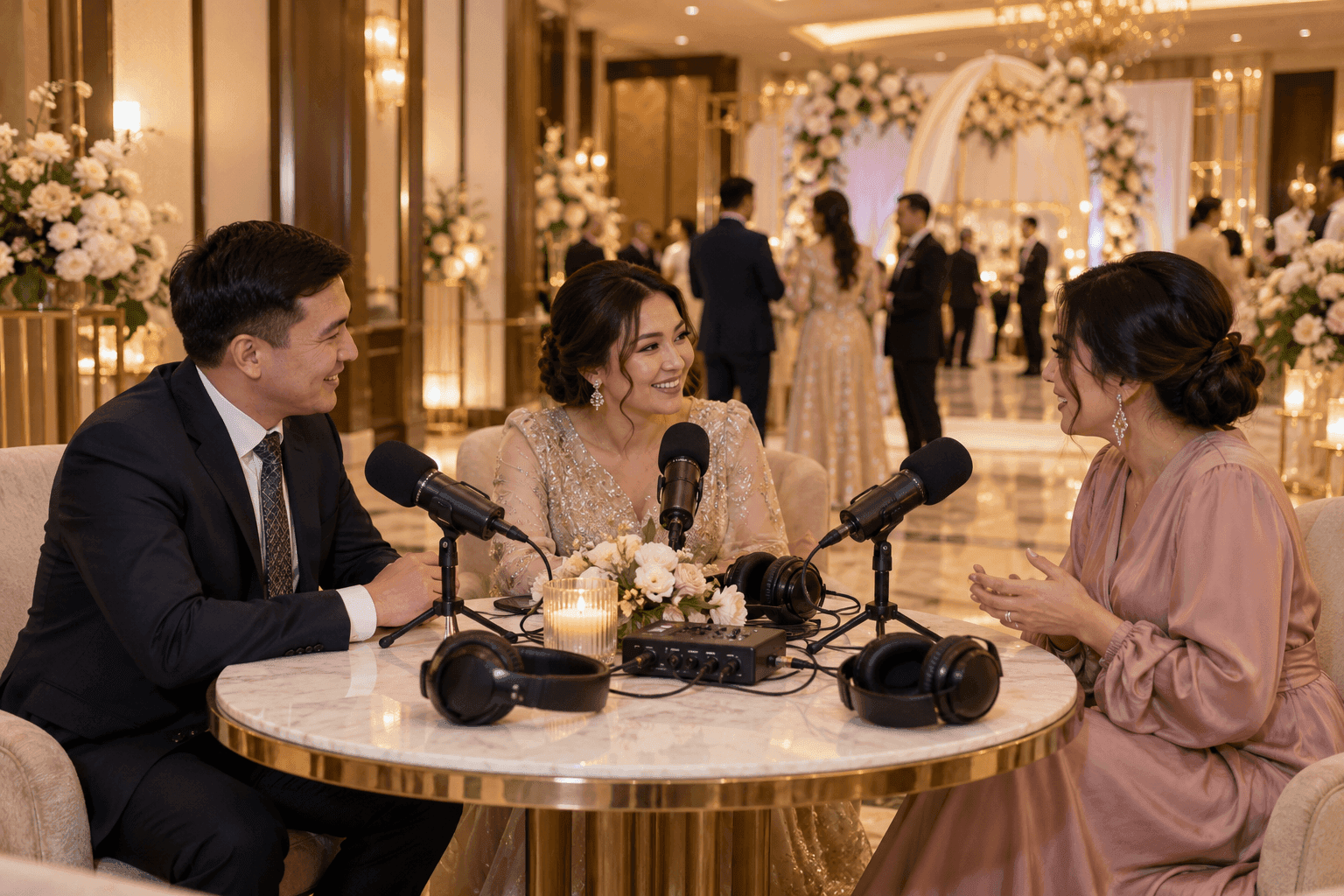
Wedding Podcast 2027
The wedding podcast is quickly finding its place in contemporary celebration programmes. The format began gaining attention in Kazakhstan at the end of summer, while the quieter autumn season gave organisers time to refine the idea for the year ahead. The DanceHub.kz team has already tested it twice and is ready to explain how it works. The podcast corner works best near the entrance to the banquet hall, close to the photo zone and welcome buffet. Recording inside the hall is more difficult: equipment is being checked, lighting and sound are being adjusted, and the service team is completing its final preparations. It is simply too noisy for a relaxed conversation. A small table, three microphones and a neat backdrop are enough to create the studio. Guests arrive, take commemorative photographs, enjoy the buffet and are then invited to record a short story about the newlyweds.
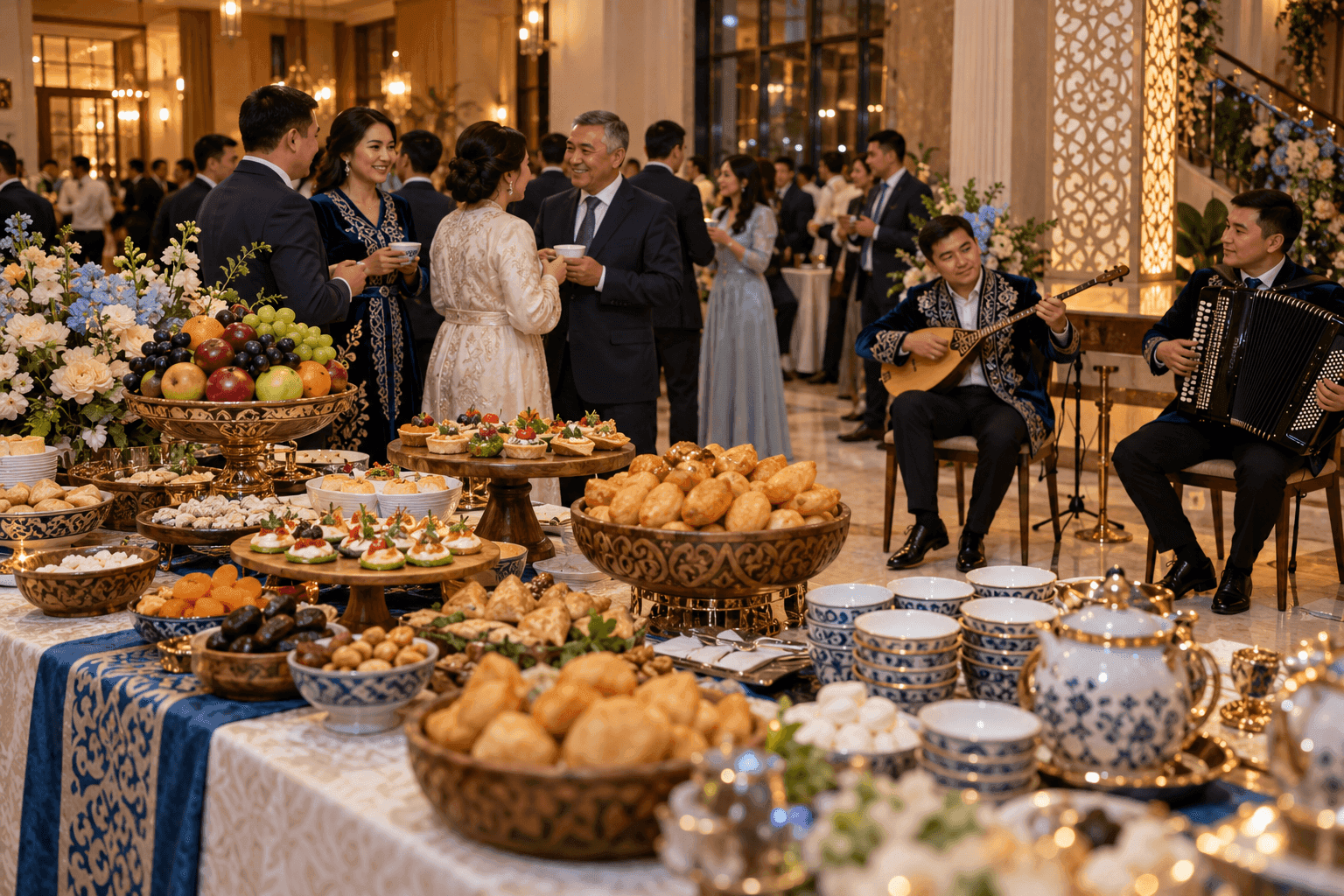
Tips from the DanceHub.kz Organisers
In the first part of our organiser's advice, we explained why a wedding welcome buffet deserves careful attention. Its appearance and presentation shape the first impression of the evening. Now it is time to consider the final touch: the tradition known as Keter Ayaq or Zhol Ayaq. This small ritual takes place at the end of the celebration. Sometimes it uses the same table that held the welcome buffet earlier in the evening. In an alcohol-free celebration, the tradition can be reinterpreted while preserving its most important purpose: seeing guests off with warmth, care and hospitality. The bride has thrown her bouquet, the band has taken the stage, and the second dance interval reflects the newlyweds' own musical taste. The first interval may have featured familiar favourites for the parents' friends and older guests, while the later programme becomes younger and more energetic.
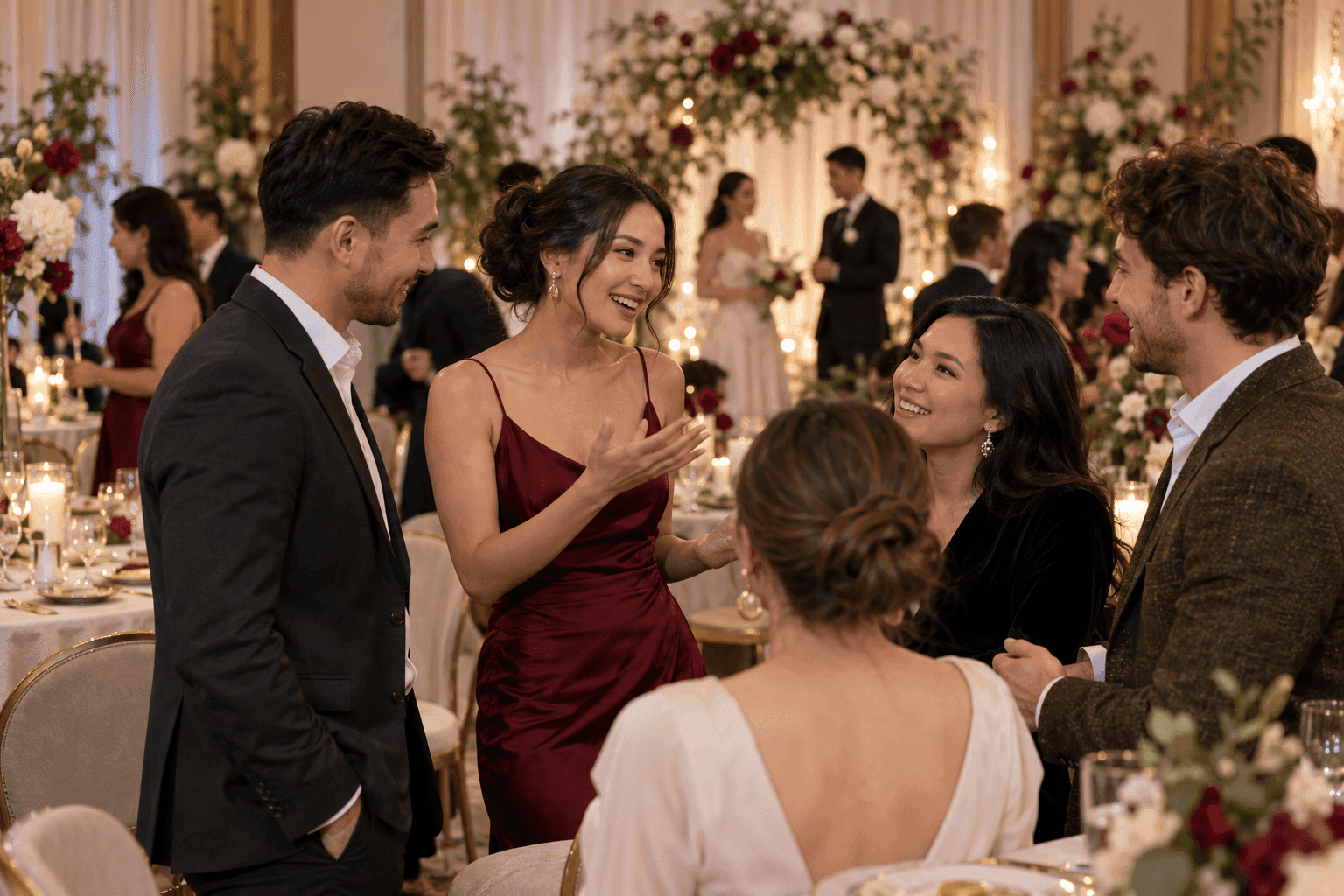
Meeting for a Good Reason: “NOT a Wedding 2027”
Imagine being invited to a wedding and asked to buy a ticket for 20,000-25,000 tenge. The price includes your seat, the menu, drinks, a host and live entertainment. There is just one surprising detail: you know neither the people at your table nor the names of the newlyweds. The bride and groom may not have met before the evening either. This is the idea behind “NOT a Wedding”, a themed party already appearing in selected cities across Europe and the CIS. From the outside, it looks like a real celebration, complete with a welcome buffet, decorations, dinner, toasts and dancing. Its purpose, however, is not marriage. It is designed for conversation, new connections and an unusual cultural experience. Modern city life offers too few natural and comfortable ways for adults to meet. Social media helps people stay connected, but it cannot always replace a face-to-face conversation. “NOT a Wedding” provides a familiar structure in which strangers can introduce themselves, exchange experiences and spend an evening together without the awkwardness of formal networking.
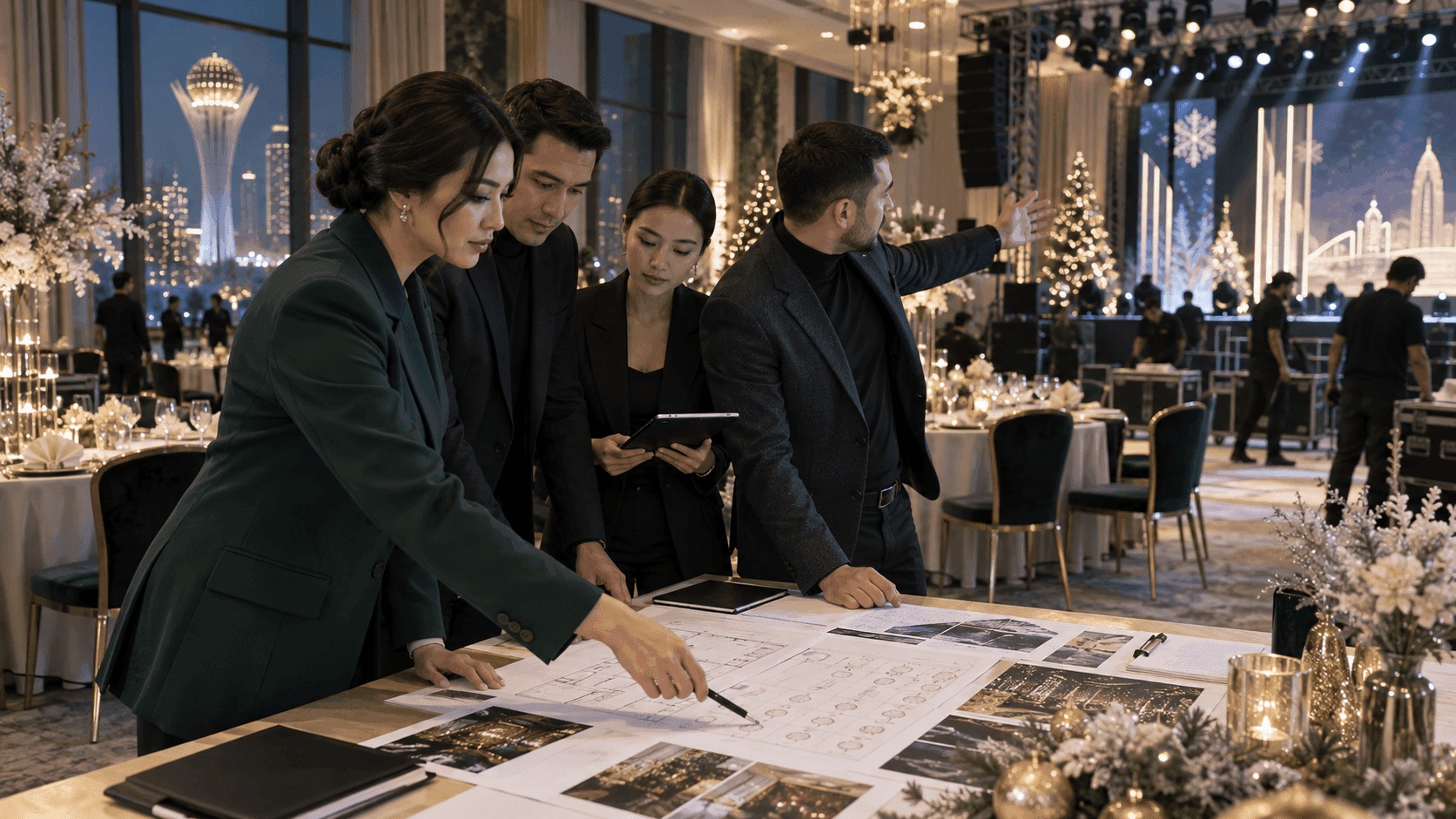
Organising New Year Corporate Events in Astana.
A successful New Year corporate event begins long before December. Large companies often start planning in August, when HR managers research the market, compare suppliers and define the first requirements for the evening. Beginning early gives the team the freedom to choose rather than settle for whatever remains available at the end of the season. It is possible to source a venue, host, performers, decorators and technical crew independently, but doing so requires considerable time and experience. Companies therefore often entrust the project to a professional event agency responsible not only for suppliers but also for the overall logic of the occasion. An event agency is more than an intermediary between a client and performers. It acts as project coordinator, script team, venue administrator and crisis manager on the day itself.
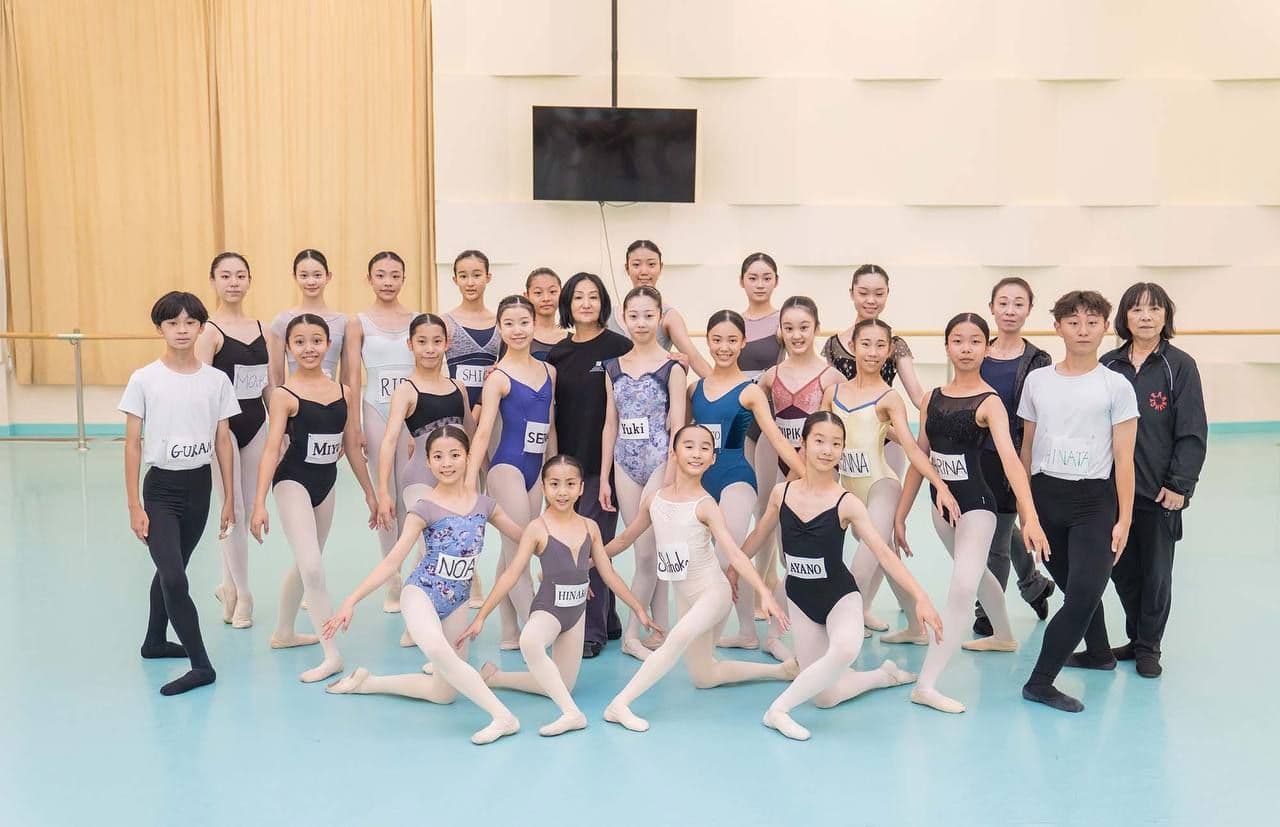
Japanese Delegation Concludes Visit to the Kazakh National Academy of Choreography
The Kazakh National Academy of Choreography has concluded an intensive programme for a delegation from Tokyo's Yoshiko Takagi Ballet School. Twenty-two students and four teachers travelled to Astana to explore Kazakhstan's approach to choreographic education, work with the Academy's leading teachers and exchange professional experience. The Japanese guests followed a focused educational programme. Young dancers took part in masterclasses in classical and folk-stage dance and worked on classical variations drawn from the world's ballet repertoire. Each class offered more than technical practice. It also allowed the students to view familiar elements through a different teaching tradition. For young artists, this kind of exchange broadens their professional outlook and encourages closer attention to every detail of stagecraft.