How Kazakhs came up with ideas for dances
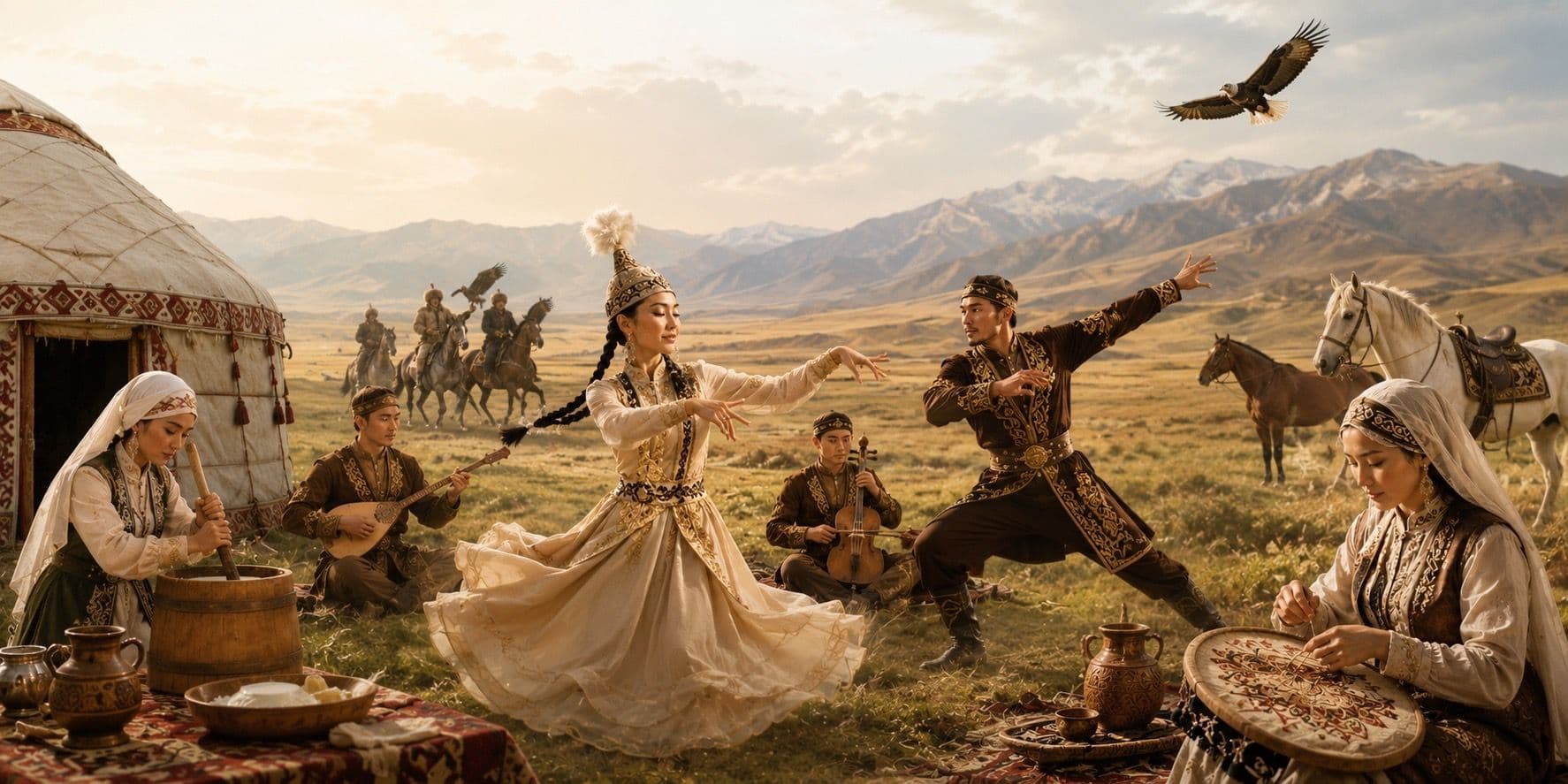
Steppe Kazakhs drew the plots for their dances from everyday life. The movements reflected horseback riding, hunting, preparing kumis, handicrafts, relationships between young people, and animal behavior. This gave rise to imitation dances. In the dance "Orteke," the movements of a mountain goat were depicted, in "Mergen" — the image of a hunter, and in dances dedicated to the horse — its graceful gait and swift run. Women's movements often focused on soft hand gestures, smooth turns of the wrists and body. These gestures resembled embroidery, adjusting a headpiece or jewelry, as well as preparing treats. Men's dances were more dynamic. In them
sharp turns, wide steps, jumps, and movements conveying the rider's strength, agility, and freedom were used. However, not all dances have survived in their original form. A significant portion of the performances known today were later restored, reinterpreted, and adapted by professional choreographers. One of the key figures in the history of dance art in Kazakhstan was Shara Zhienkulova — the first professional Kazakh dancer and one of the founders of national choreography. She turned ordinary everyday movements into expressive stage gestures, understandable to the audience even without words. This is how the stage language was formed
a national dance, many elements of which are still used today by dance groups at weddings and other festive events. It helps highlight important moments of the celebration, convey national color, and create a harmonious program. You can order a Kazakh national dance for a wedding, қыз ұзату, тұсаукесер, anniversary, corporate event, or official concert on our website. Here you will find professional dance groups, national performances, and various performance formats — from small numbers to large-scale stage compositions. When choosing, you can take into account the number of performers, sizes
venues, performance duration, and the overall concept of the event. A well-chosen group will help make the national dance one of the most vivid and memorable moments of the celebration, rather than just another item on the program.
Сюжеты для танцев степные казахи черпали из окружающей жизни. В движениях отражались скачка, охота, приготовление кумыса, рукоделие, взаимоотношения между молодыми людьми и повадки животных.
Так появились танцы-подражания. В танце «Ортеке» передавались движения горного козла, в «Мергене» — образ охотника, а в танцах, посвящённых лошади, — её грациозная походка и стремительный бег.
Женская пластика часто строилась на мягких движениях рук, плавных поворотах кистей и корпуса. Такие жесты напоминали вышивание, поправление головного убора или украшений, а также приготовление угощения.
Мужские танцы отличались большей динамикой. В них использовались резкие повороты, широкие шаги, прыжки и движения, передающие силу, ловкость и свободу всадника.
Однако далеко не все танцы сохранились в своём первоначальном виде. Значительная часть известных сегодня постановок была позднее восстановлена, переосмыслена и адаптирована профессиональными хореографами.
Одной из ключевых фигур в истории танцевального искусства Казахстана стала Шара Жиенкулова — первая профессиональная казахская танцовщица и одна из основоположниц национальной хореографии. Она превращала привычные бытовые движения в выразительные сценические жесты, понятные зрителям даже без слов.
Так сформировался сценический язык национального танца, многие элементы которого сегодня используют танцевальные коллективы на свадьбах и других торжественных мероприятиях. Он помогает подчеркнуть важные моменты праздника, передать национальный колорит и создать гармоничную программу.
Заказать казахский национальный танец для свадьбы, қыз ұзату, тұсаукесер, юбилея, корпоративного мероприятия или официального концерта можно на нашем сайте. Здесь представлены профессиональные танцевальные коллективы, национальные постановки и различные форматы выступлений — от небольших номеров до масштабных сценических композиций.
При выборе вы можете учитывать количество артистов, размеры площадки, продолжительность выступления и общую концепцию мероприятия. Правильно подобранный коллектив поможет сделать национальный танец одним из самых ярких и запоминающихся моментов праздника, а не просто очередным номером программы.
Recommended articles
Wedding Podcast 2027
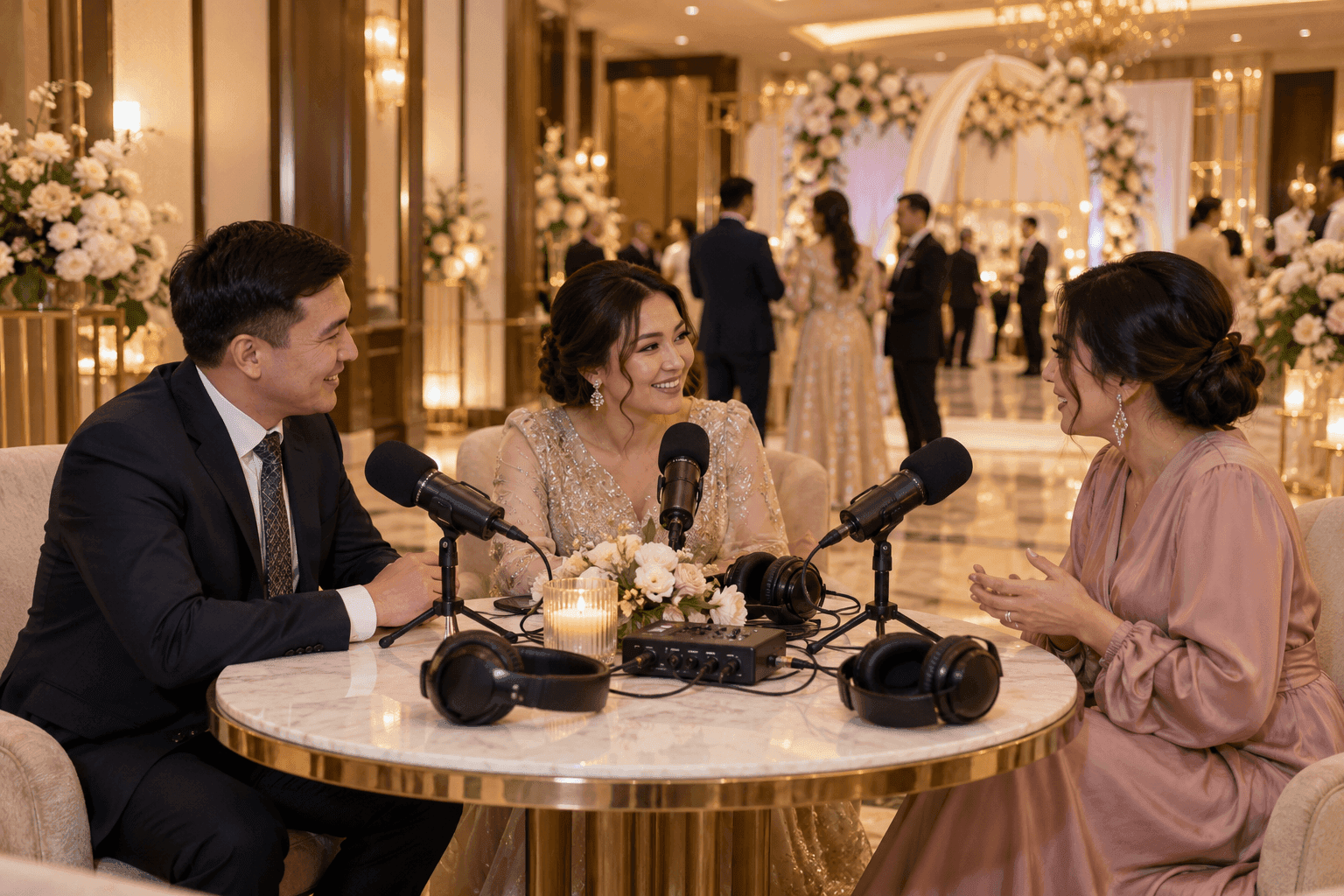
The wedding podcast is quickly finding its place in contemporary celebration programmes. The format began gaining attention in Kazakhstan at the end of summer, while the quieter autumn season gave organisers time to refine the idea for the year ahead. The DanceHub.kz team has already tested it twice and is ready to explain how it works. The podcast corner works best near the entrance to the banquet hall, close to the photo zone and welcome buffet. Recording inside the hall is more difficult: equipment is being checked, lighting and sound are being adjusted, and the service team is completing its final preparations. It is simply too noisy for a relaxed conversation. A small table, three microphones and a neat backdrop are enough to create the studio. Guests arrive, take commemorative photographs, enjoy the buffet and are then invited to record a short story about the newlyweds.
Tips from the DanceHub.kz Organisers
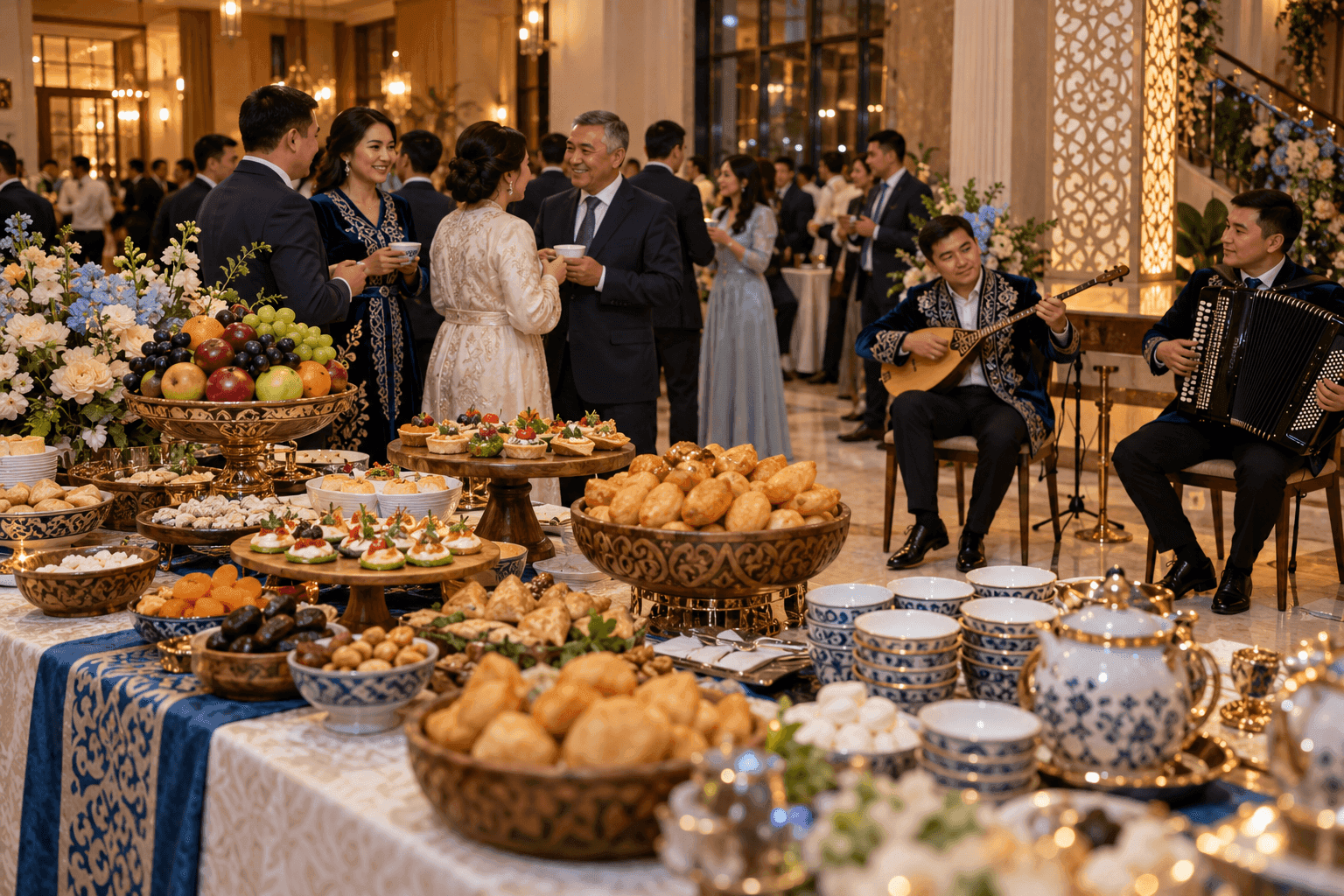
In the first part of our organiser's advice, we explained why a wedding welcome buffet deserves careful attention. Its appearance and presentation shape the first impression of the evening. Now it is time to consider the final touch: the tradition known as Keter Ayaq or Zhol Ayaq. This small ritual takes place at the end of the celebration. Sometimes it uses the same table that held the welcome buffet earlier in the evening. In an alcohol-free celebration, the tradition can be reinterpreted while preserving its most important purpose: seeing guests off with warmth, care and hospitality. The bride has thrown her bouquet, the band has taken the stage, and the second dance interval reflects the newlyweds' own musical taste. The first interval may have featured familiar favourites for the parents' friends and older guests, while the later programme becomes younger and more energetic.
Meeting for a Good Reason: “NOT a Wedding 2027”
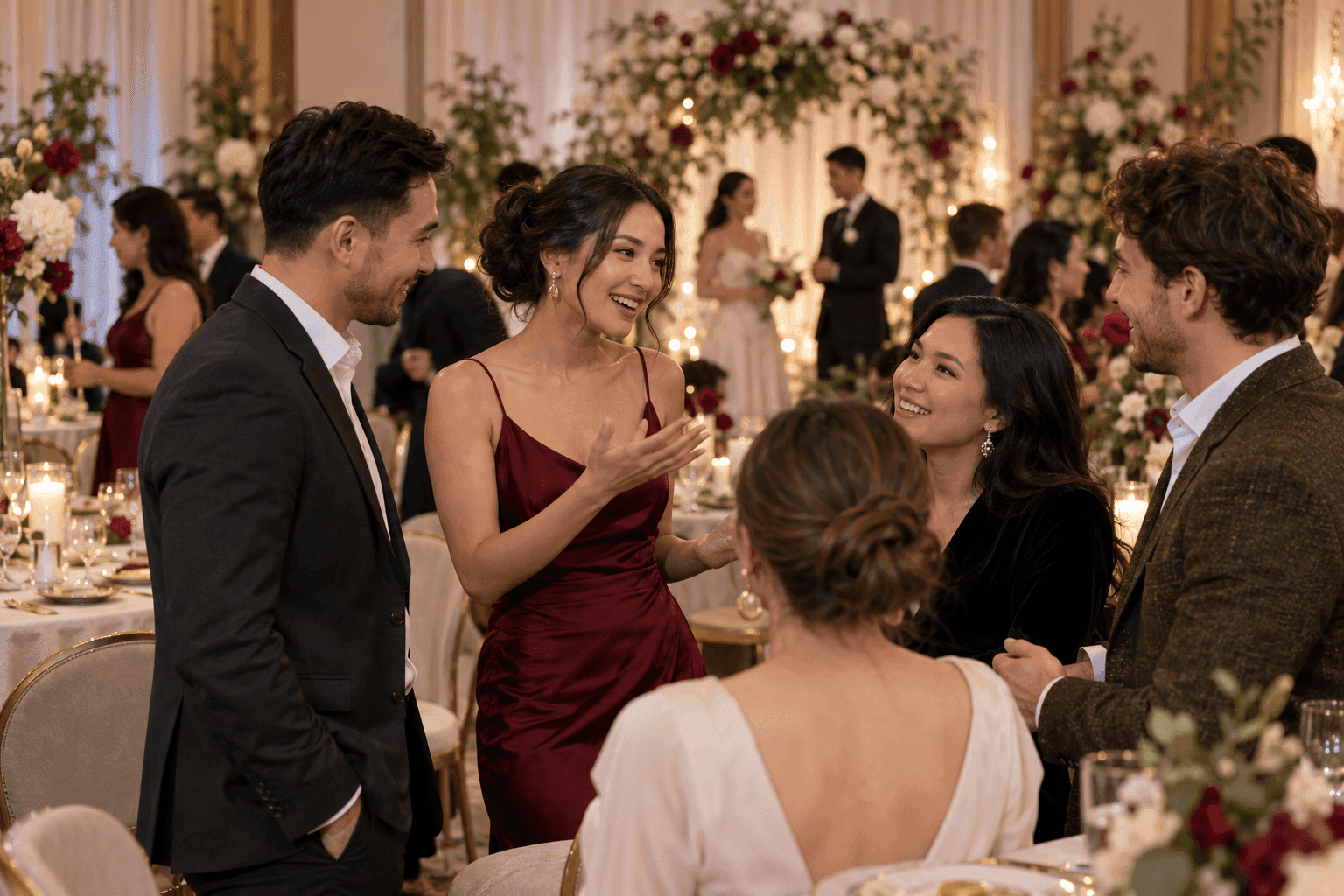
Imagine being invited to a wedding and asked to buy a ticket for 20,000-25,000 tenge. The price includes your seat, the menu, drinks, a host and live entertainment. There is just one surprising detail: you know neither the people at your table nor the names of the newlyweds. The bride and groom may not have met before the evening either. This is the idea behind “NOT a Wedding”, a themed party already appearing in selected cities across Europe and the CIS. From the outside, it looks like a real celebration, complete with a welcome buffet, decorations, dinner, toasts and dancing. Its purpose, however, is not marriage. It is designed for conversation, new connections and an unusual cultural experience. Modern city life offers too few natural and comfortable ways for adults to meet. Social media helps people stay connected, but it cannot always replace a face-to-face conversation. “NOT a Wedding” provides a familiar structure in which strangers can introduce themselves, exchange experiences and spend an evening together without the awkwardness of formal networking.
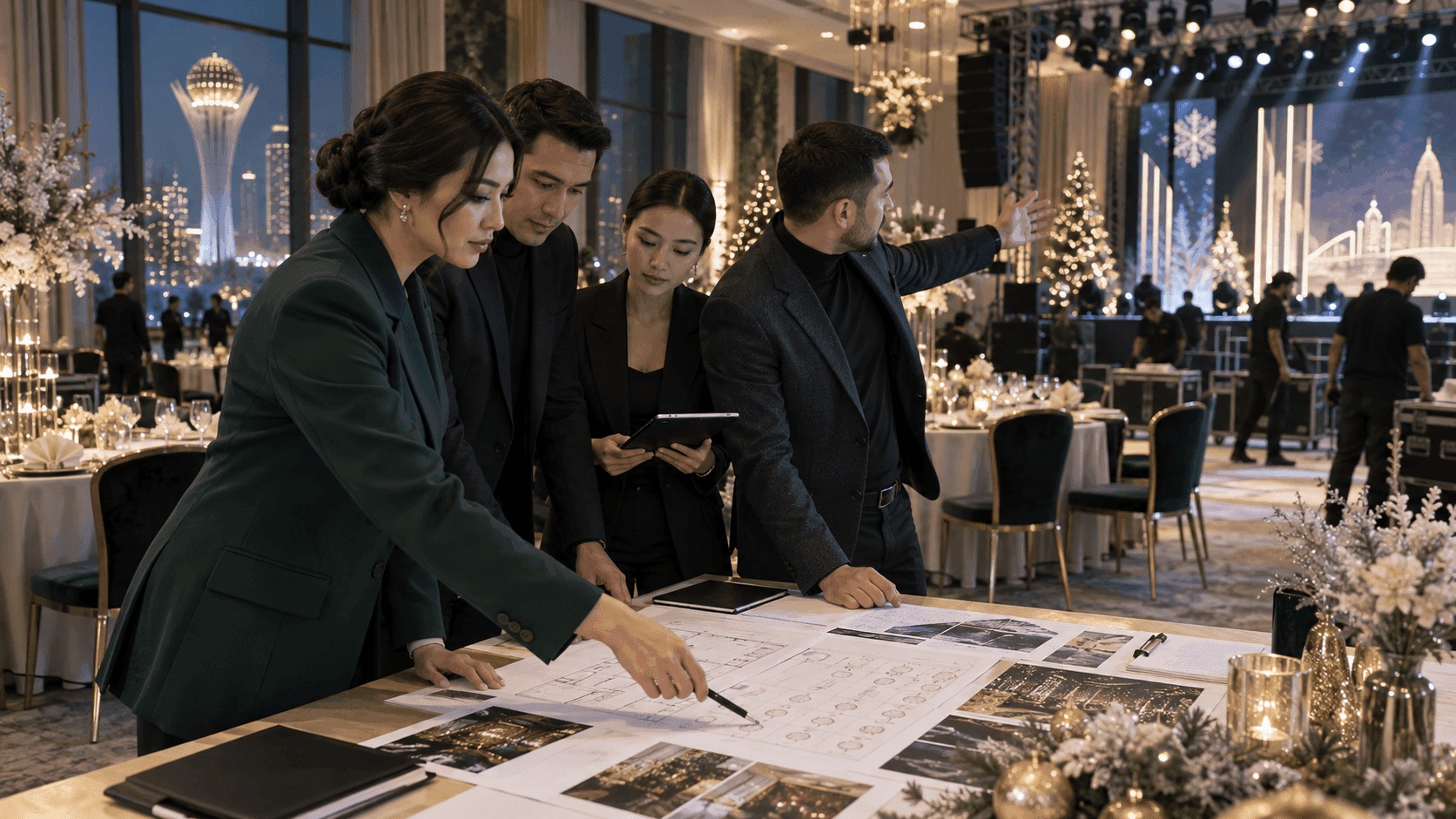
Organising New Year Corporate Events in Astana.
A successful New Year corporate event begins long before December. Large companies often start planning in August, when HR managers research the market, compare suppliers and define the first requirements for the evening. Beginning early gives the team the freedom to choose rather than settle for whatever remains available at the end of the season. It is possible to source a venue, host, performers, decorators and technical crew independently, but doing so requires considerable time and experience. Companies therefore often entrust the project to a professional event agency responsible not only for suppliers but also for the overall logic of the occasion. An event agency is more than an intermediary between a client and performers. It acts as project coordinator, script team, venue administrator and crisis manager on the day itself.
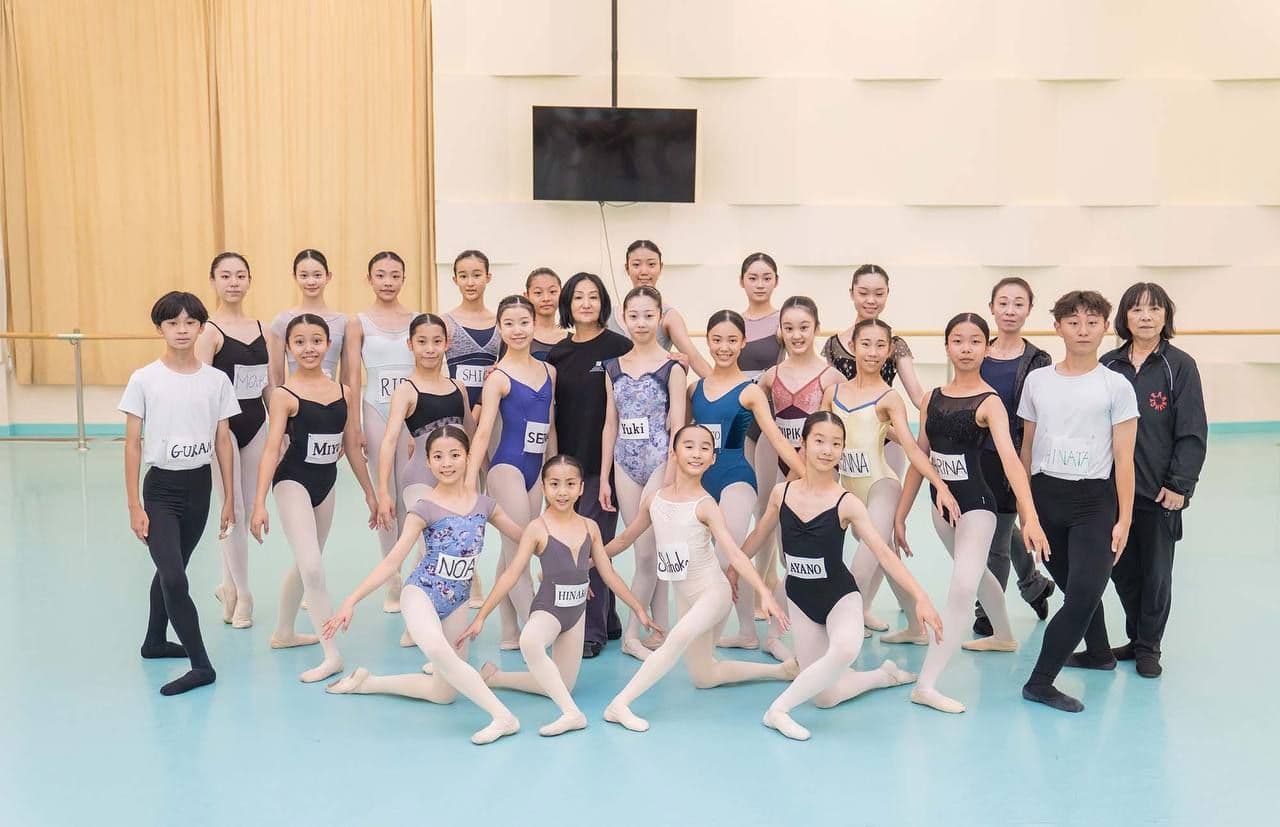
Japanese Delegation Concludes Visit to the Kazakh National Academy of Choreography
The Kazakh National Academy of Choreography has concluded an intensive programme for a delegation from Tokyo's Yoshiko Takagi Ballet School. Twenty-two students and four teachers travelled to Astana to explore Kazakhstan's approach to choreographic education, work with the Academy's leading teachers and exchange professional experience. The Japanese guests followed a focused educational programme. Young dancers took part in masterclasses in classical and folk-stage dance and worked on classical variations drawn from the world's ballet repertoire. Each class offered more than technical practice. It also allowed the students to view familiar elements through a different teaching tradition. For young artists, this kind of exchange broadens their professional outlook and encourages closer attention to every detail of stagecraft.