The Games of the Future Took Place in the Capital
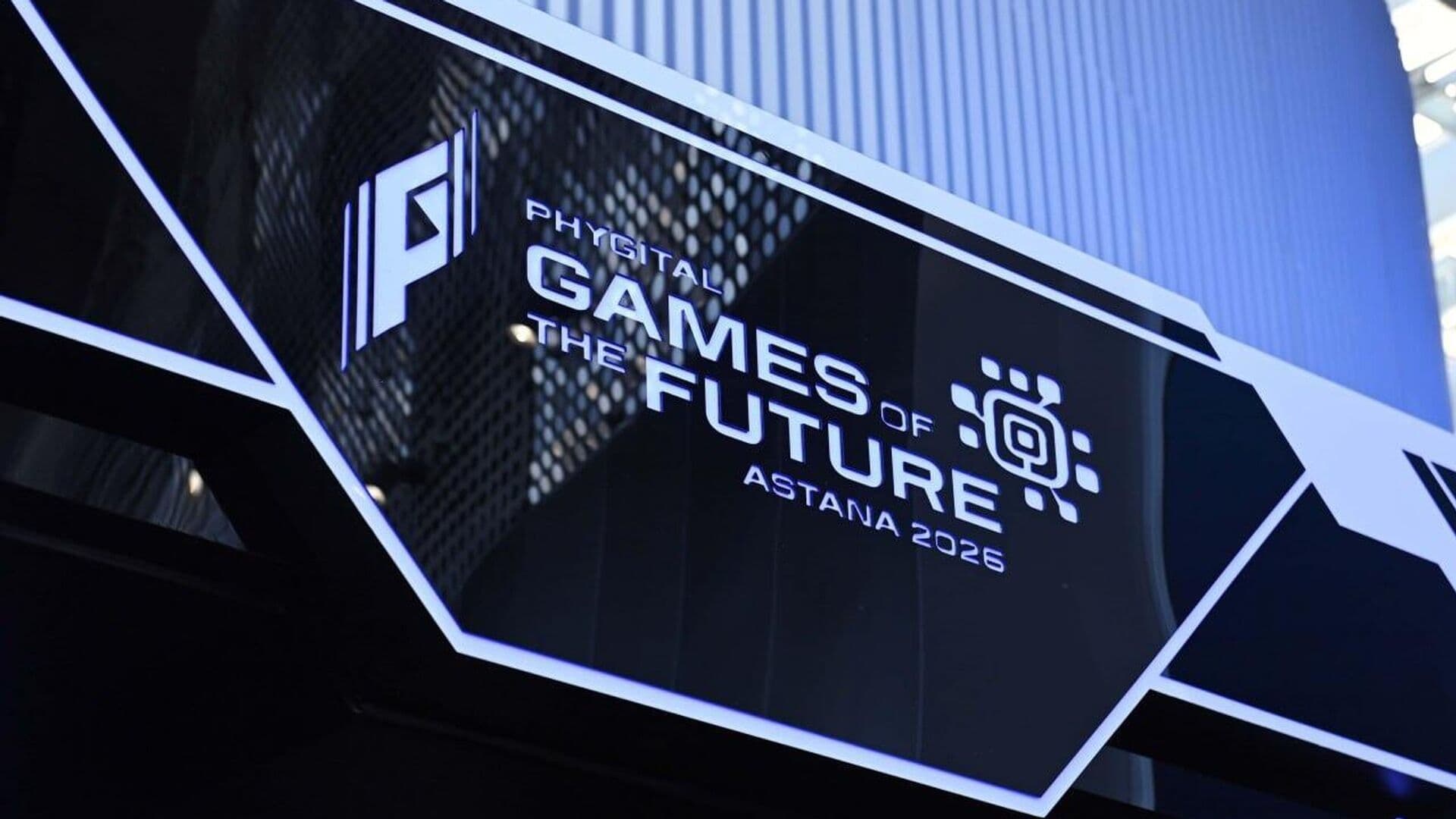
For Kazakhstan, this format is, of course, a great rarity, as the very concept of the “Games of the Future” project is based on something not yet familiar. The country has enormous organizational experience and, naturally, the Games were held successfully. A separate highlight of the program was the introduction of dance disciplines into the competition. Our website attended the final of the Fidgital Dance 2026 tournament.
Once again, it was proven that dance is truly an expression of the dancer’s inner state. After all, participation in Fidgital Dance was open to people who are passionate about choreography, while there are generally not that many professionals among them. And so it turned out that the final was primarily made up of gamers who had danced offline but now competed in a digital format.
The rules are simple: the participant’s dance must be as synchronized as possible with the movements projected onto huge screens. The final assignments were made available to the participants before the competition, at different times for each participant, according to the competitors themselves. For example, a representative of our country who took one of the prize-winning places noted that she received her assignment in her personal competition account 10 days in advance.
The appeal of participating in Fidgital Dance 2026 was largely driven by its unprecedented prize fund, which became one of the reasons for such a broad international geography of participants. The winner, by the way, was a representative of Argentina.
The one who felt the rhythm best, the one who managed to make their body work in harmony with the screen and become a shadow of every movement projected onto it, was the one who made it to the final. And in the final, the participants were judged not by strict jury members, but by dancing experts. There, those competitors whose performances had become both exemplary and inspiring for the audience came face to face.
Recommended articles
Does a New Year Corporate Party Need Event Organizers?
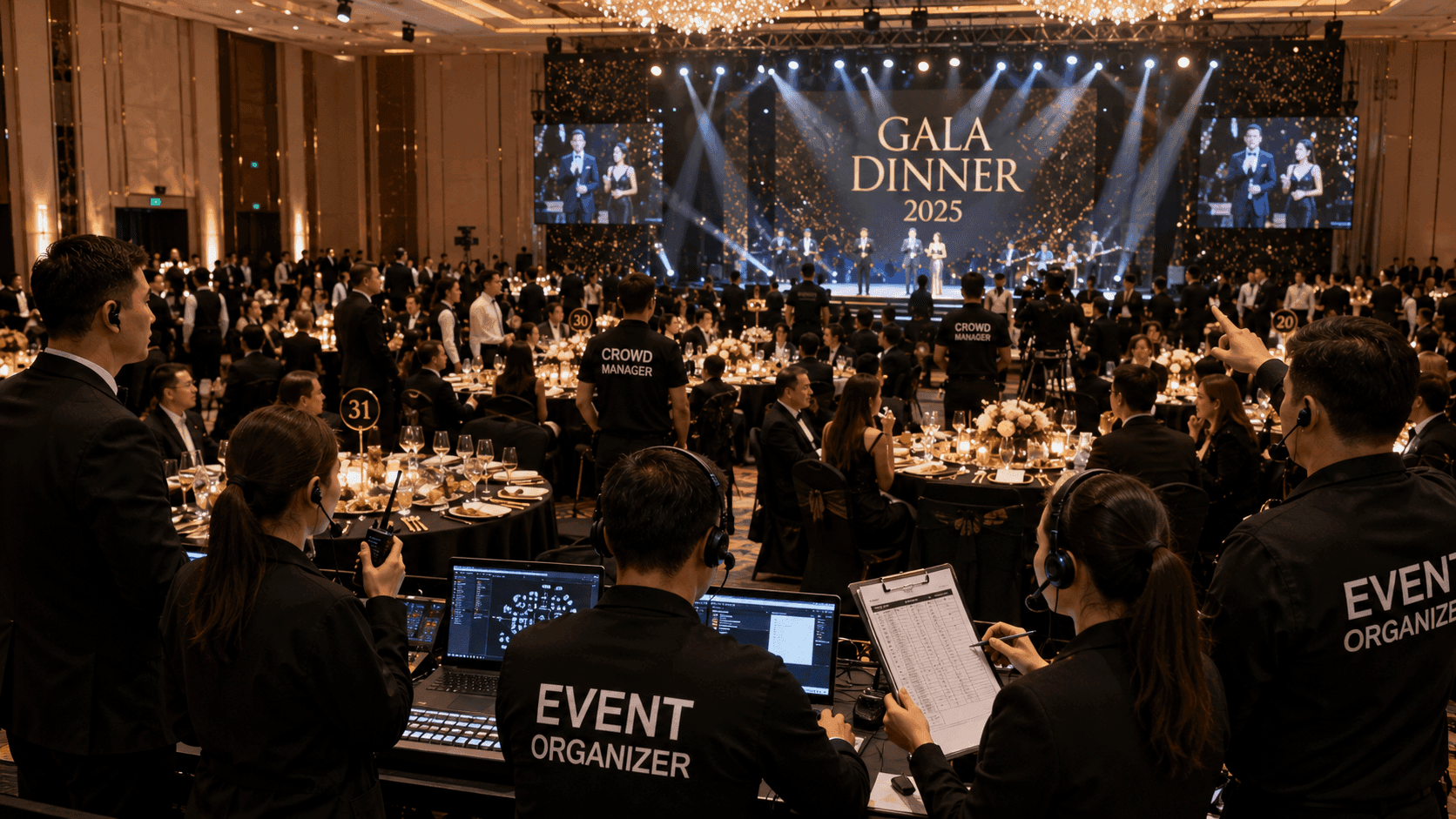
For example, in 2025, one of the December corporate parties we organized had a “Gala Dinner” theme. This is one of the most convenient concepts when you have 710 guests. To manage the flow of people inside the restaurant, we had to involve 20 crowd managers. The security team alone consisted of 60 people, and that was also a private company. With such a large number of guests, almost any theme will turn into a gala dinner within an hour anyway. And if you also consider that the bar was operating on an unlimited basis, it becomes clear that in a situation like this, what you really need is not a theme. What you need are hosts — experienced, well-known, and, naturally, expensive ones.
New Year Corporate Party 2026
What theme should you choose? As early as August this year, HR specialists at many companies will begin thinking about themes for their New Year corporate parties. Traditionally, the first ideas will revolve around the most talked-about sensations of the year. These are usually movie premieres, sporting events, musical sensations, or retrospective concepts. By the way, returning to past eras is gradually becoming a corporate trend. Depending on the average age of the team, for some people a retro theme means the Soviet-era “Blue Light” TV show, while for others it means returning to the music of the 2000s.
A Selection of Corporate Hosts Based on Substance, Not Games
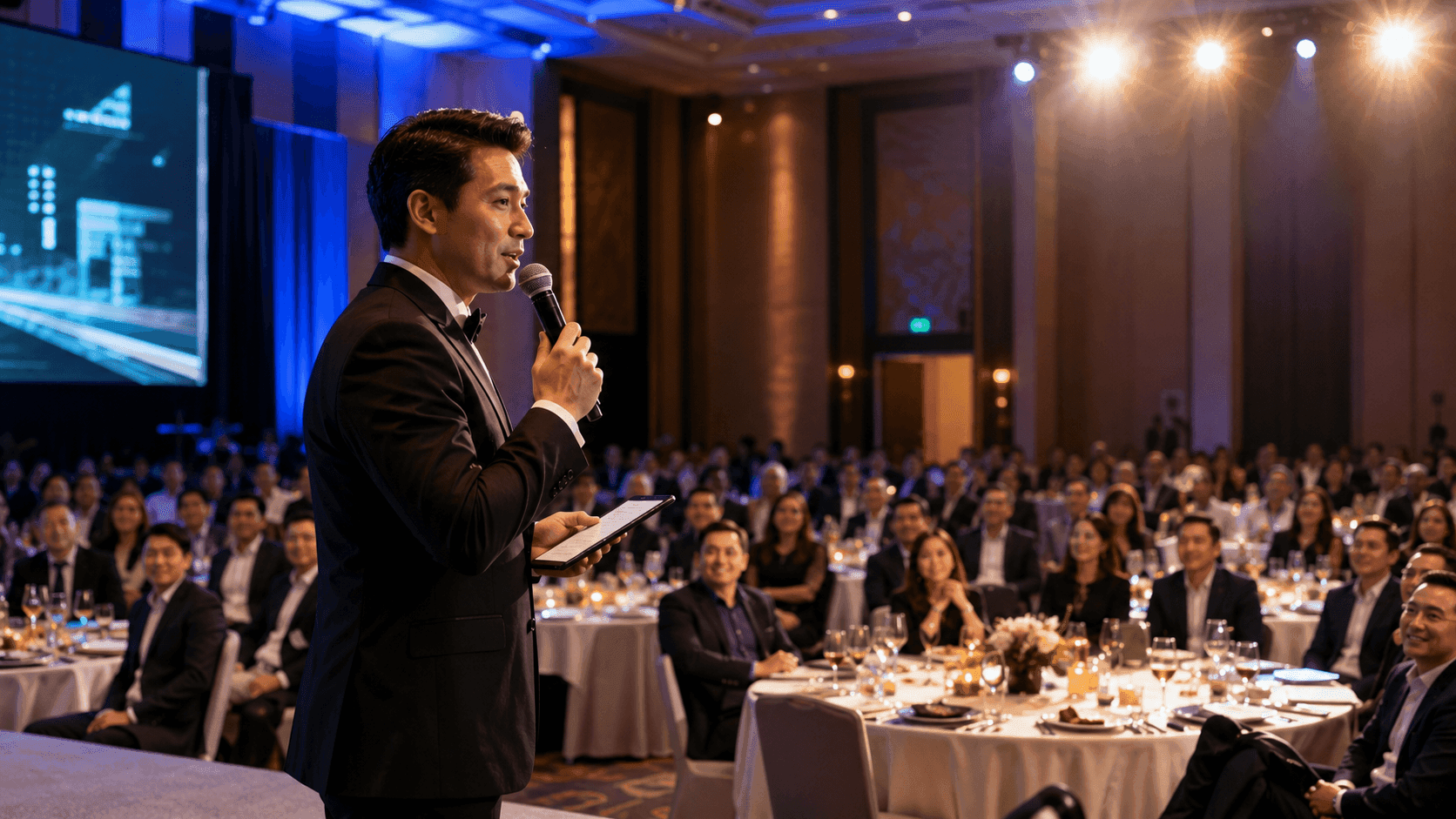
There is nothing more frightening than experiencing “cringe” in front of management at a New Year corporate party. It is an especially uncomfortable feeling for the HR specialist, who is ultimately responsible for the evening. Quite often, an awkward situation is caused by the host’s lack of preparation, and the issue has little to do with their energy or entertainment program. The real problem lies in their inner substance. Without understanding the level of the guests sitting in front of them — especially those seated at the first four tables — a “cringeworthy” host follows the notorious idea of “bringing the house down at any cost.” They start asking each side of the room about their mood before even giving the first official guest the floor.
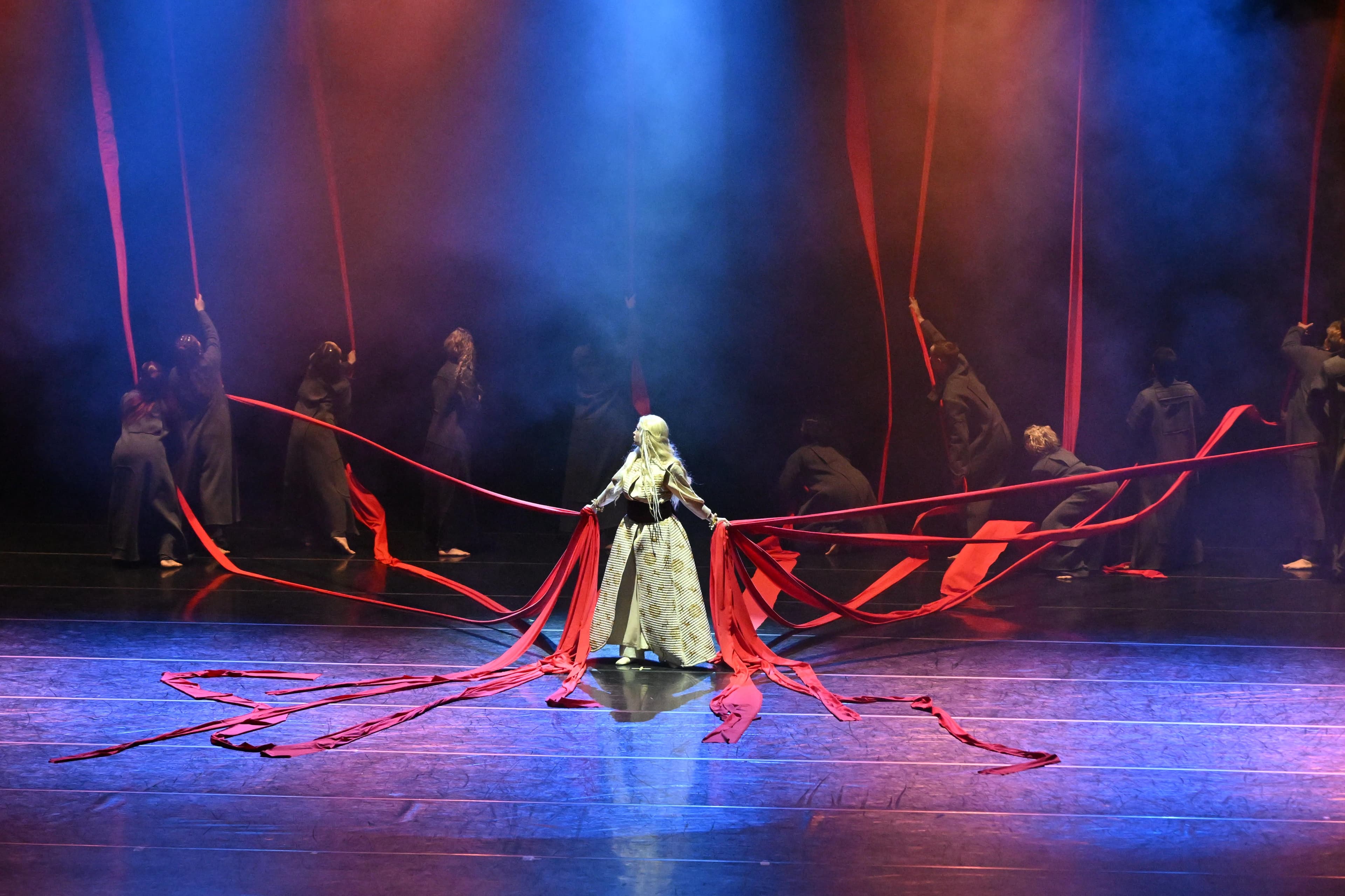
The dance theater “Sensitive” presented the ethno-plastic performance “Botai” in Astana.
Once, the sun and the earth gifted the world a boy whose birth was marked by the arrival of a foal born from the spirit of a sacred mare. Their destinies unfold side by side: the human learns to hear the earth, while Zhelkanat learns to feel the breath of a human being. At first, it is friendship, but later it becomes a journey of trials — separation, fear, and growing up. Together, they must overcome hardships and find a new home. Following archaeological excavations in the North Kazakhstan region, traces of the ancient Botai settlement were discovered. This finding became a major cultural event and sparked widespread discussion within the country’s artistic community. The remarkable discovery inspired many creative individuals in different ways, but the most profound and touching interpretation was presented by the unique dance theater “Sensitive” from Petropavlovsk. The group has earned well-deserved recognition in the world of choreography as participants, laureates, and winners of numerous prestigious international awards. Their arrival in the capital became a significant event for admirers of the genre. The word “unique” is truly fitting for the “Sensitive” dance theater, as some of its performers were born with hearing impairments. This raises the question: how do they rehearse? How do they achieve synchronization and feel one another on stage?
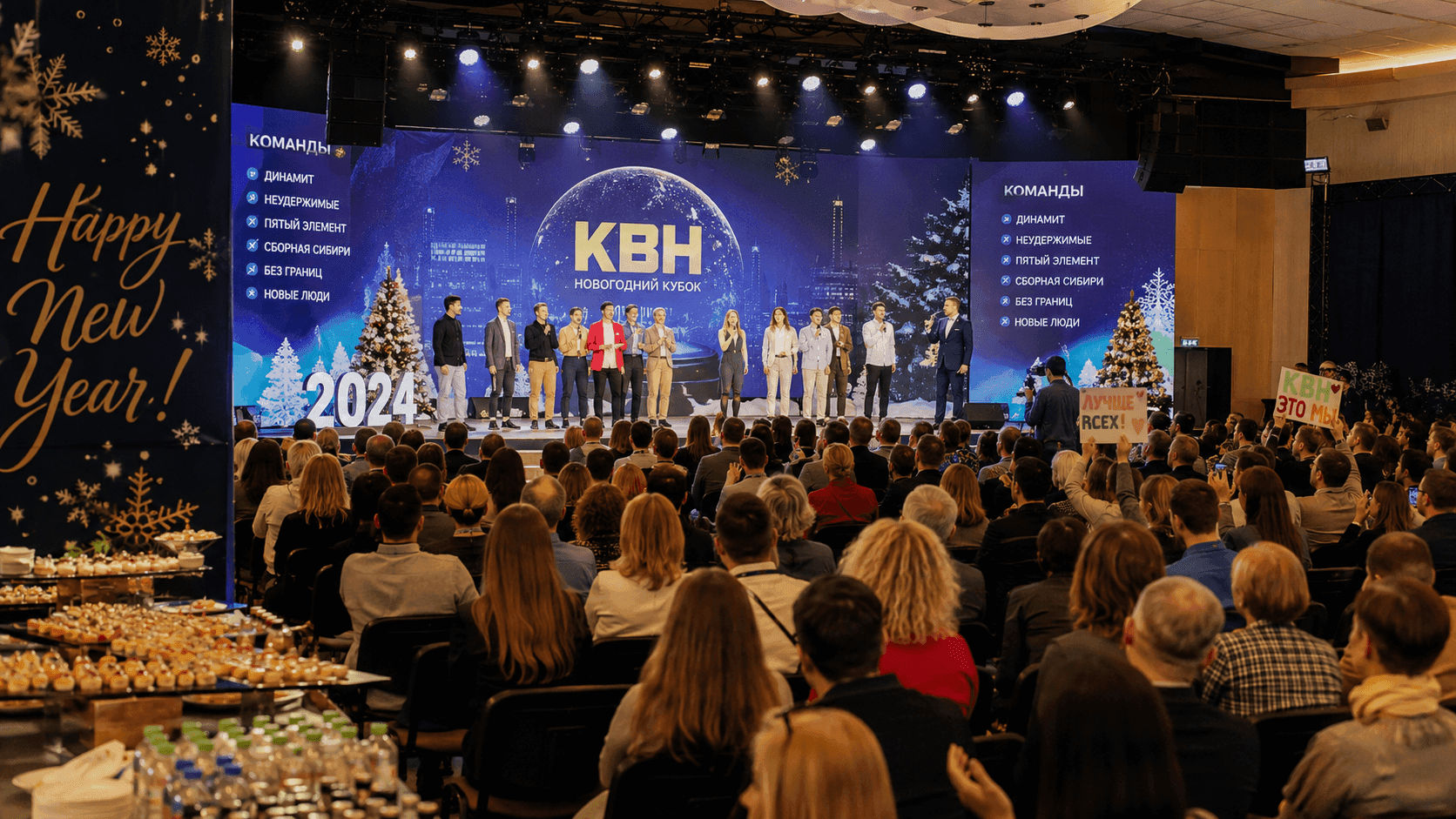
Alcohol-Free Corporate Party — A New Team Trend
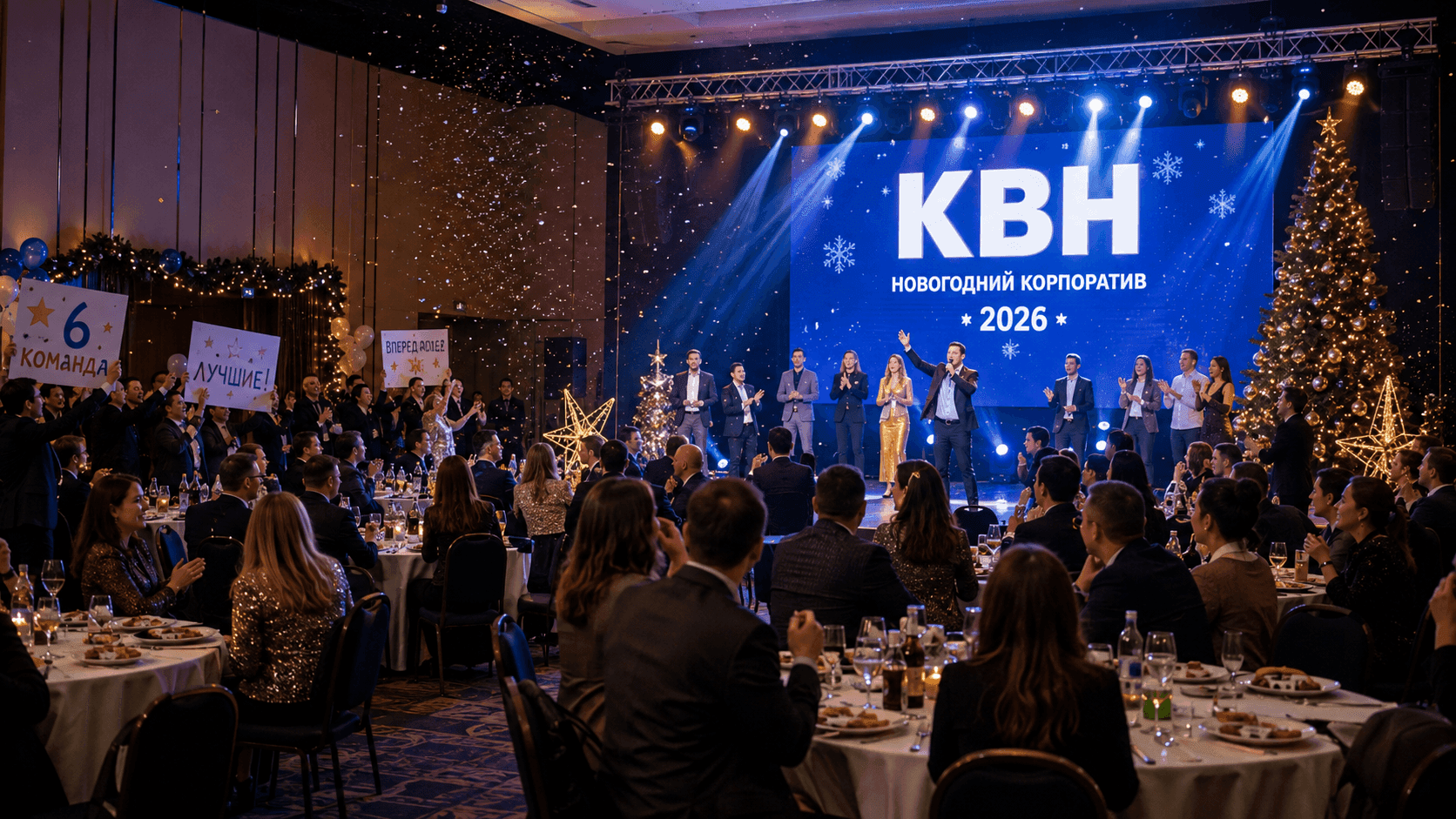
In December 2025, we organized a highly effective, stylish, and completely alcohol-free corporate evening right in our client’s office. How did we manage to do it? Thanks to the good old KVN! It might sound ordinary, if the final result hadn’t turned out to be so original! There were plenty of benefits: during the preparation process, all six teams became much closer and had the opportunity to sharpen their creative skills. Over 20 days of rehearsals, they learned to think creatively, understand one another on a creative level, and develop public speaking skills. The KVN event was held in the format of a single competition, and all 250 colleagues felt like spectators at a real television show. The teams were coached by an experienced KVN team from the Premier League, which gave every performance the authentic atmosphere of the famous game. The festive buffet was organized right in the foyer at the entrance to the conference hall. The New Year decorations, atmosphere, and menu were all designed around the concept of a magical New Year celebration. The mystery of the holiday, the anticipation of midnight, and a truly festive mood filled the space. Musical groups and a host entertained the guests during the buffet. An hour later, everyone was invited into the hall, where the KVN competition began. The host was Nurzhan Beisenov, an actor from the KVN team “Kazakhi.” There was the traditional parade of teams, the introduction of the jury, and rows of supporters who came to the game with specially prepared posters. Everything was just like on television! The quality of the humor remained at a high level, while the teams’ preparation and acting skills inspired genuine excitement throughout the hall. The colleagues certainly did not expect a corporate party like this. The advantages of such a New Year corporate party theme are obvious: team unity, the development of a loyal and creative corporate culture, and an opportunity to discover your colleagues from a completely different and unusual perspective. From an organizational point of view, such a corporate event is especially valuable because of its preparation process: during the 20 days leading up to the event, the teams go through many challenges usually known only to experienced KVN players. And ideologically, the celebration remains engaging right until the final moment, because it is completely alcohol-free while still being genuinely entertaining. If your company has more than 200 employees, a New Year KVN event is one of the brightest solutions both for a festive evening and for team building!